Brutalised Inside a Police Station, Jailed for Questioning a Minister: India’s Press Freedom Plunges Behind Pakistan and Bangladesh
Days after two women journalists were beaten inside a Delhi police station, a Pune YouTuber was arrested for questioning a minister, while the Modi government issued nearly 2 lakh content removal orders in five months. As RSF ranks India behind every South Asian neighbour, the world's largest democracy is witnessing an unprecedented crackdown on free expression.
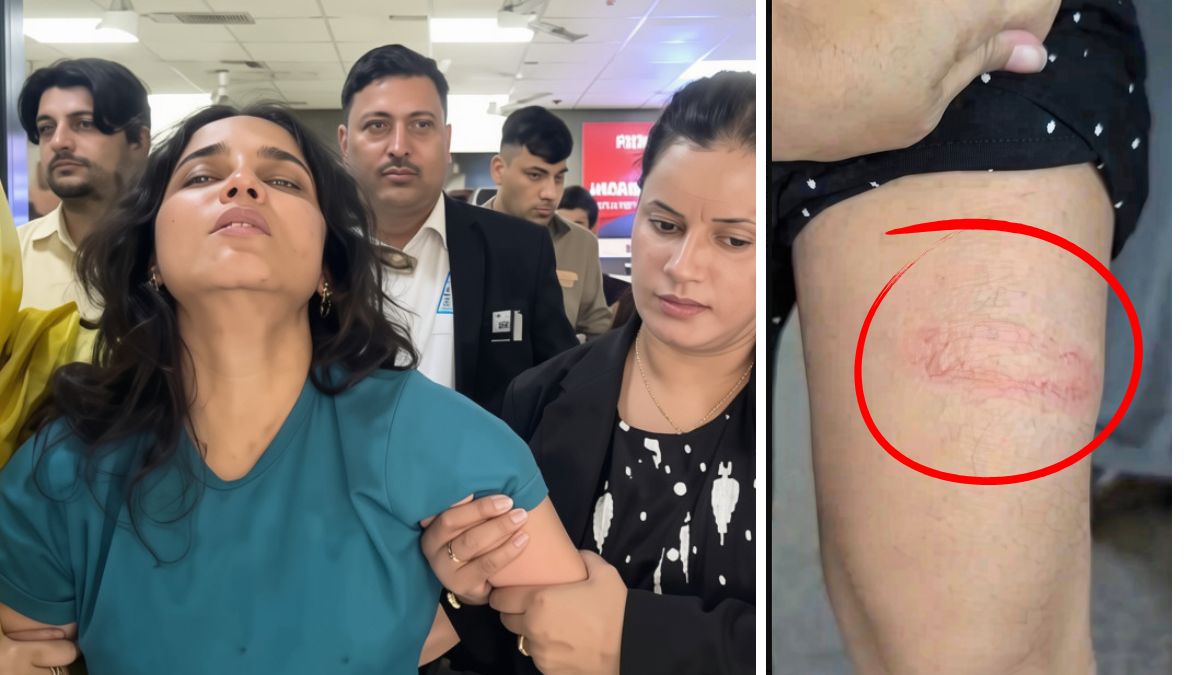
New Delhi – On the morning of September 3, 2026, freelance journalists Shaheen Khan and Nafisa Khan set out to cover the inauguration of a new wing at Max Hospital in Saket, an event attended by Union Home Minister Amit Shah and Delhi Chief Minister Rekha Gupta. They never imagined they would end the day bruised, bleeding, and locked inside a police station.
According to their account, when they attempted to pose a question to Chief Minister Gupta, they were manhandled, dragged into a police vehicle, and taken to Saket Police Station. Inside, they were taken to a room and assaulted. Then came the question that exposed the rot beneath the uniform: “Which community do you belong to?” When they revealed their names, the police took that as a revelation of their religion and assaulted them even harder.
“We wanted to question the Delhi chief minister. But we were detained and brought to Saket Police Station. The police teams took us to a room, where they assaulted us brutally. They asked which community we belonged to and thrashed us again,” Khan alleged in a video circulated on social media.
The Delhi Police rejected the accusations as “factually incorrect” and “misleading”, claiming the women had obstructed a VVIP route by parking their scooter improperly. Deputy Commissioner of Police Anant Mittal described the assault allegations as “totally false, misleading and baseless”.
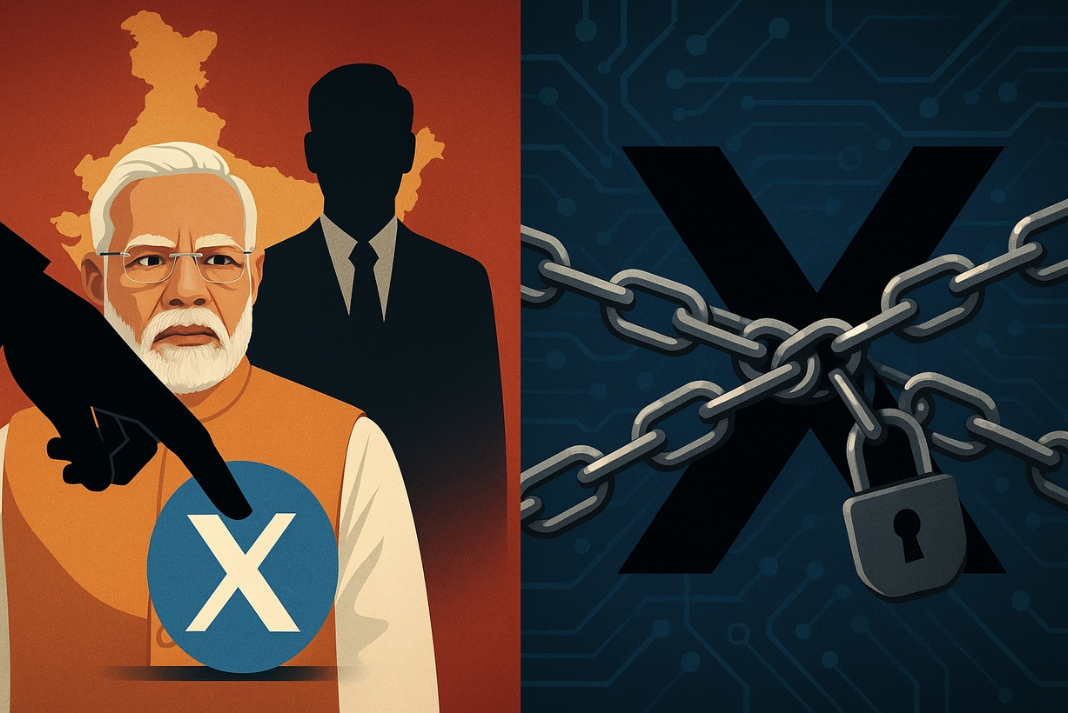

But video evidence showing injury marks on the journalists’ bodies circulated widely. The Editors Guild of India condemned the incident, stating: “In the face of this, the Delhi Police’s denial that the two were merely removed for blocking access with an improperly parked scooter fails to carry conviction”. The Press Club of India, Indian Women’s Press Corps, and several other journalist organisations demanded immediate punitive action.
The Arrest of a YouTuber Who Asked Questions
Just a day later, on September 4, Pune police arrested activist and influencer Santosh Pandit at 1 am from his residence. Pandit, 45, regularly posts videos highlighting civic issues including potholes and damaged roads. His crime? Uploading videos containing “obscene and objectionable remarks” about Maharashtra minister Chandrakant Patil and a woman corporator.
The videos had garnered over 12 lakh views. Pandit was produced in court and remanded to custody till September 8. Pune city Congress president Prashant Jagtap condemned the arrest, alleging the government is attempting to “suppress the voice of people who raise civic issues”.
“In a democracy, everyone has the right to ask questions,” Jagtap said.
One Blocking Order Every 68 Seconds
The assault on journalists and arrest of a civic activist are not isolated incidents. They are symptoms of a systemic crackdown on free expression that has reached staggering proportions.
Between March and July 2026, the Indian government issued nearly 1.95 lakh blocking orders to Instagram, Facebook and YouTube. That averages 1,275 orders a day or one every 68 seconds. Instagram received nearly one lakh orders, Facebook around 80,000, and YouTube nearly 15,000.
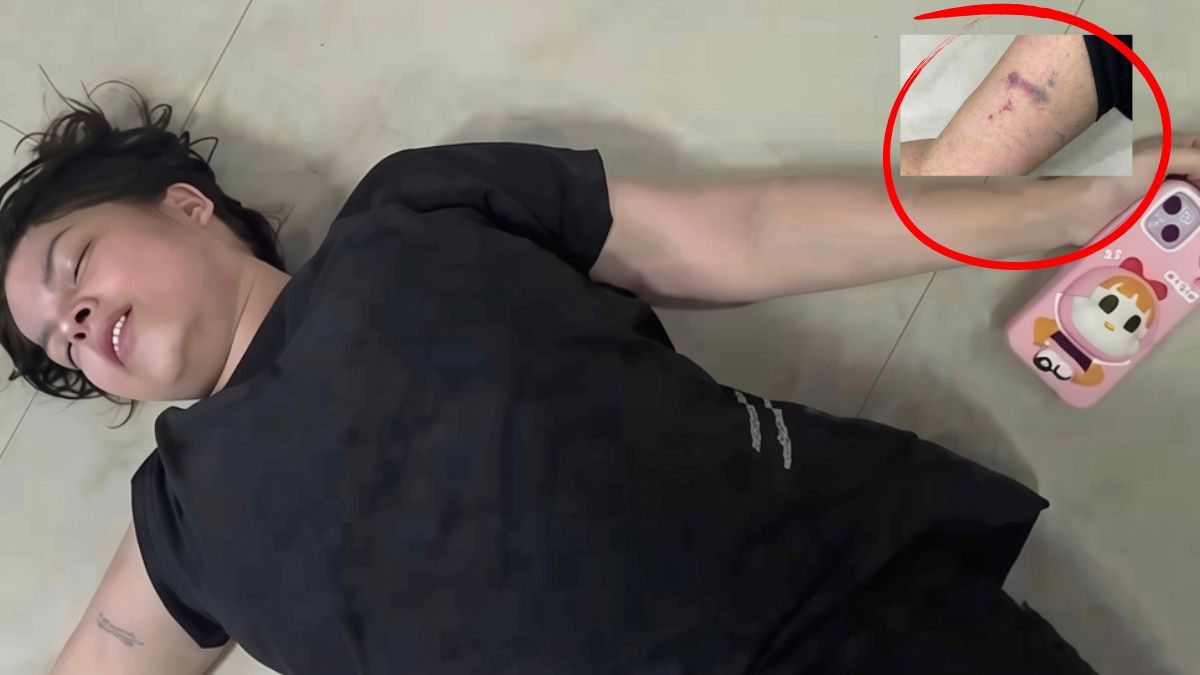
The five-month period coincided with massive student protests over examination leaks that had rocked the nation. The restricted material included instances of journalism, satire, political criticism, and support for the student protests. Several reels documenting the Cockroach Janta Party (CJP)-led protests were removed or restricted on Instagram, with students alleging that videos documenting police action and criticism of the government were taken down. One student, Sakhi, had four of her most-viewed reels removed, including one showing torn clothes and injuries sustained during a protest.
The government has simultaneously shortened the takedown deadline for content from 24-36 hours to as little as 2-3 hours. Former Delhi Chief Minister Arvind Kejriwal attacked the new rules, alleging: “If you speak against Modi ji, the government, paper leaks, the ethanol issue, or corruption, your post will be deleted within three hours”.
Journalists in Prison: Some Walk Free, Others Remain Behind Bars
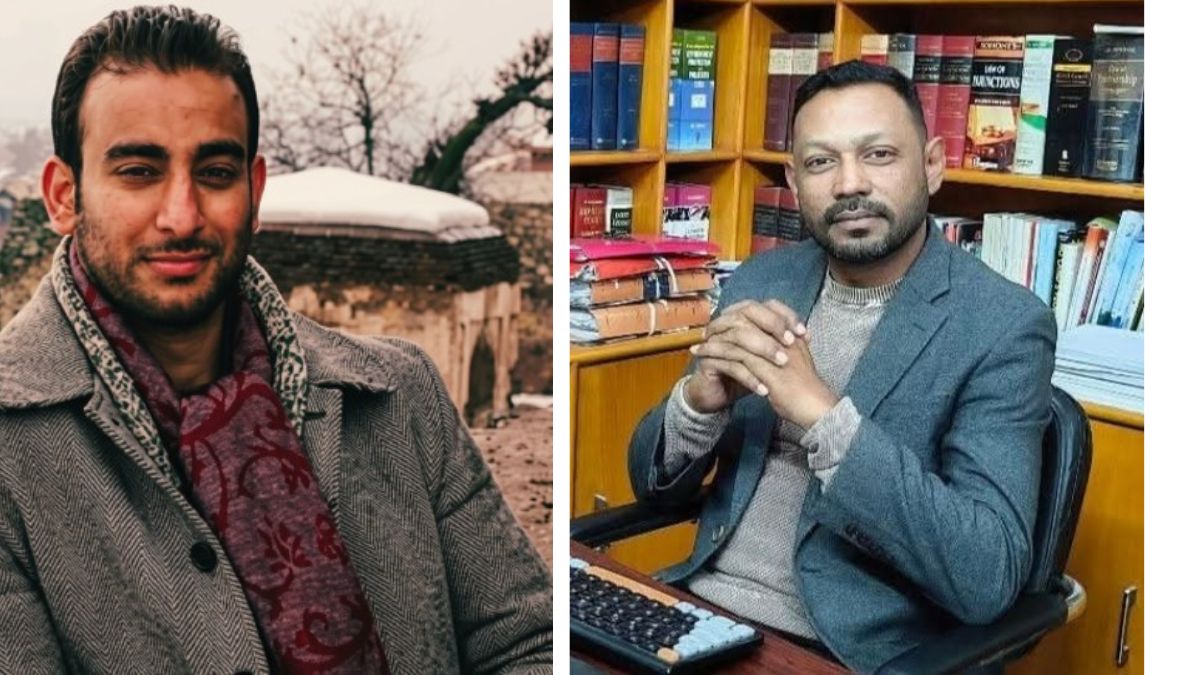
The crackdown extends far beyond social media. Across India, journalists are being systematically targeted through the draconian Unlawful Activities (Prevention) Act (UAPA). While some have recently secured bail after years in detention, others continue to rot in prisons.
Irfan Mehraj walked free on July 22, 2026, after spending 1,219 days in pretrial detention. The freelance journalist and editor-in-chief of Wande Magazine was arrested in 2023 on charges ranging from “sedition” to “financing terrorism”. A Delhi court granted him bail on July 18, and the Delhi High Court refused to stay the order despite an NIA appeal. However, strict conditions were imposed: he must remain in New Delhi and report to the investigating officer twice a week.
“Anti-terrorism laws must never be used to repress and criminalise journalism,” said Célia Mercier, Head of RSF’s South Asia desk. “For Irfan Mehraj, whose bail application still hadn’t been ruled on after three absurd years of pretrial detention, the legal proceedings themselves served as punishment”.
Dilwar Hussain Mozumder, a journalist for independent news website Cross Currents, was arrested on March 25, 2025, while covering a protest against alleged embezzlement at the Assam Co-operative Apex Bank. His detention triggered statewide protests by journalists, with media associations condemning it as an attack on press freedom. He was granted bail and released from Guwahati Central Jail after securing bail in the second case against him. At a press conference, the Assam chief minister publicly stated: “The government does not identify Dilwar Hussain as a journalist.”
Rupesh Kumar Singh, a freelance journalist who exposed industrial pollution in Jharkhand, has now spent four years behind bars. He has secured bail in two of five cases, but the Supreme Court rejected his bail application in a third case in January 2025. On April 9, 2026, he was transferred to Bhagalpur Central Prison, more than 350 kilometres from his hometown, drastically limiting visits from his wife and eight-year-old son. RSF has renewed calls for his immediate release.
Umar Khalid, a former JNU student leader, has now spent over five years in prison without trial under the UAPA in connection with the 2020 Delhi riots. On January 5, 2026, the Supreme Court once again denied him bail. “Jail is my life now,” Khalid reacted after the court’s decision. Amnesty International and six other global human rights organisations have called for his immediate release.
India Behind Every South Asian Neighbour
These incidents help explain why India has plummeted to 157th out of 180 countries in the Reporters Without Borders (RSF) 2026 World Press Freedom Index, falling six places from the previous year.
RSF describes India’s media as having fallen into an “unofficial state of emergency” since Prime Minister Narendra Modi came to power in 2014. The report highlights the rise of “Godi media”, outlets that mix populism and pro-BJP propaganda, while noting that the prime minister “does not hold press conferences, grants interviews only to journalists and YouTubers who cover him in a favourable light”.
Perhaps the most telling indicator lies in the Political Context score, which measures “the degree of support and respect for media autonomy, vis-à-vis political pressure from the state or from other political actors.” On this critical measure, India ranks a dismal 160th globally, with a score of just 21.16 out of 100.
Every single one of India’s major South Asian neighbours outperforms it:
| Country | Overall Rank | Political Rank | Political Score |
|---|---|---|---|
| Nepal | 87th | 68th | 51.56 |
| Sri Lanka | 134th | 118th | 37.33 |
| Bhutan | 150th | 133rd | 31.96 |
| Bangladesh | 152nd | 134th | 31.09 |
| Pakistan | 153rd | 153rd | 25.05 |
| India | 157th | 160th | 21.16 |
India is not only behind Pakistan but also behind Bangladesh, Bhutan, Sri Lanka, and Nepal. Worse still, while India’s political score has declined by over 5 points from the previous year (from 24.30 to 21.16), Pakistan’s score has remained stable and Bangladesh has actually improved its political environment for journalism.
Syria Surges 36 Places: The Year’s Biggest Climber
While India sinks, Syria has recorded the most dramatic improvement in the 2026 index, rocketing up 36 places to 141st globally. RSF directly attributes this to the collapse of Bashar al-Assad’s dictatorship in December 2024 and the subsequent political transition.
The data confirms a comprehensive improvement across all five core indicators. The political context jumped from 170th to 103rd globally, the economic context rose from 179th to 107th, and the legal context climbed from 177th to 139th. Crucially, RSF reports that no journalists or media workers have been killed in Syria in 2026, a stark contrast to the near-daily bloodshed of the past.
A Global System Under Siege
The contrasting fates of Syria and India are playing out against a backdrop of global regression. For the first time in the index’s 25-year history, more than half of the world’s countries, 52.2 percent, now fall into the “difficult” or “very serious” categories. The global average score has plummeted to an all-time low.
The legal indicator has suffered the sharpest decline, deteriorating in over 60 percent of countries (110 out of 180). The misuse of counter-terrorism legislation and state secrets laws, pioneered by authoritarian regimes but now adopted by democracies, is suffocating investigative reporting.
Under President Donald Trump, the United States has dropped 7 places to 64th, with RSF noting the administration’s “systematic policy” of attacking the press and implementing drastic cuts to agencies like Voice of America. Palestine (156th) and Sudan (161st) continue to pay the heaviest price in blood, with over 220 journalists killed in Gaza since October 2023. Russia (172nd) now holds 48 journalists behind bars.
The index once again ranks Norway at the top for the tenth consecutive year, while Eritrea remains rooted to the bottom at 180th, where journalist Dawit Isaak has now been imprisoned without trial for 25 years.
The Cost of Silence
The assault on Shaheen Khan and Nafisa Khan at Saket Police Station, the arrest of Santosh Pandit for questioning a minister, the three-year detention of Irfan Mehraj, the four-year imprisonment of Rupesh Kumar Singh, the nearly 2 lakh content removal orders in five months. These are not isolated incidents. They are the building blocks of a systematic assault on the right to information in the world’s largest democracy.
RSF Editorial Director Anne Bocandé writes in the report’s foreword: “We are witnessing a global assault on the right to information. Given this context, inaction is a form of endorsement. The ball is in the court of democracies and their citizens. It is up to them to stand in the way of those who seek to silence the press.”
The spread of authoritarianism, she adds, “isn’t inevitable.”
But as India’s journalists are beaten, arrested, and silenced while their government issues a blocking order every 68 seconds, one question haunts the world’s largest democracy: How much longer will the silence be tolerated?