Smoking in India: Heavy Burden on the Pocket – Is 53% Taxation Justified?
India is the second-largest producer of tobacco, yet Indian smokers are paying 53% tax to the government. A pack of 20 cigarettes of a premium brand that used to be sold at ₹95 is now sold at ₹480 — a 434% rise in cost. Let’s examine what exactly has changed in the past few years and how tobacco consumers are being penalised by heavy taxes.
India is the second-largest producer of tobacco after China. India’s unmanufactured tobacco exports reached over ₹167 billion in 2025, while manufactured tobacco exports crossed ₹54 billion in FY 2026. The Indian government is certainly earning a lot of money from this trade, but Indian tobacco consumers have not been exempted. They are paying more than double the tax rates seen in neighbouring countries such as Nepal, Bangladesh, Indonesia and many others.
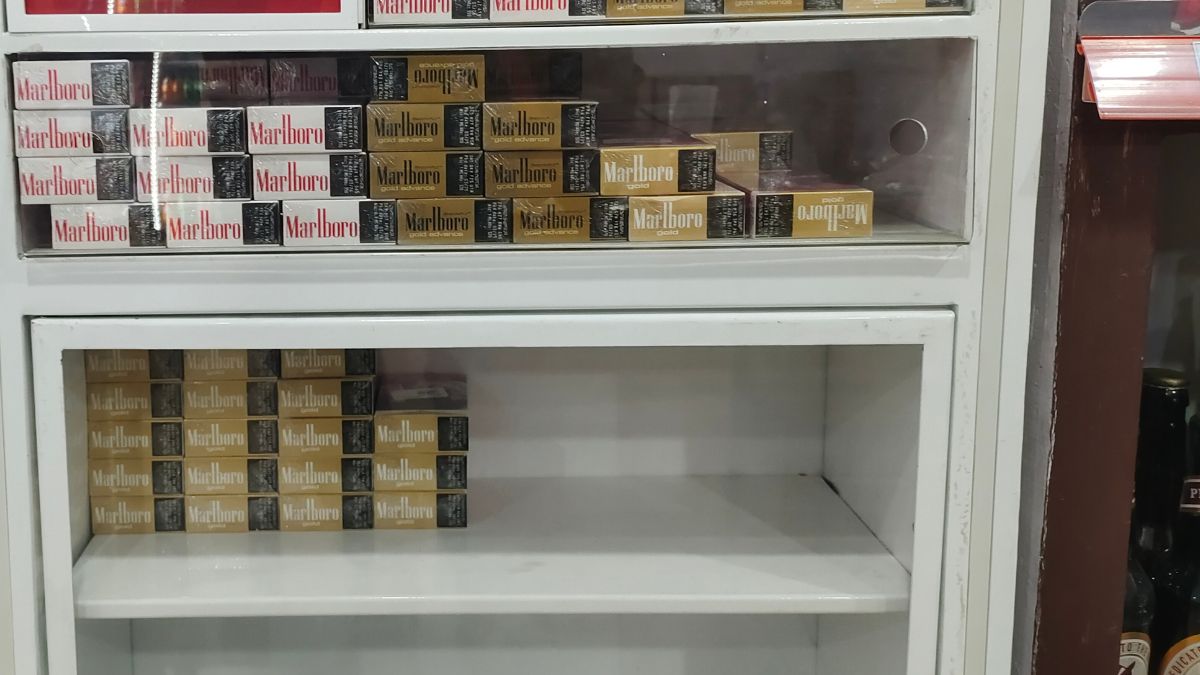
Let’s look at the retail market and see how expensive Indian cigarettes are with a live example. A pack of 20 cigarettes of Marlboro Gold or a similar brand such as Gold Flake is sold at ₹480 in India in 2026. The same brand is available in neighbouring countries at NPR 350 (approximately ₹220), in Indonesia at about ₹253 (after conversion), and in Pakistan at ₹190. Check the table shows cost of 20 pack of premier ciggrate brands in Asia.
| Country | Local Price | Conversion in INR | Cost in US $ |
| India | 480 INR | 480 INR | $5.05 |
| Pakistan | 550 PKR | 190 INR | $2.00 |
| Nepal | 350 NPR | 220 INR (imported) | $2.31 |
| Indonesia | 48,300 IDR | 250 INR | $2.63 |
| Bhutan | 350 BTN | 350 INR (imported) | $3.68 |
| Laos | ₭40,000 | 170 INR | $1.79 |
| China | 20 CNY | 285 INR | $3.00 |
| Bangladesh | 370 BDT | 285 INR | $3.00 |
In 2013, a pack of 20 Gold Flake cigarettes in India generally cost between ₹90 and ₹110, depending on the exact variant (Regular, Kings, Lights, etc.). In 2026 it costs ₹480 — a 434% hike. It seems that tobacco has become another form of gold for the Indian government. Even the cost of precious metals has not increased at that ratio. And if we look at the hike in monthly salaries, there have unfortunately been zero hikes of that magnitude.
Sri Lanka and Malaysia are two other Asian countries that impose heavy taxes on tobacco. Sri Lankan smokers are paying the highest taxes, Indians are paying roughly half of that, and Malaysian smokers are paying less than Indians.
A pack of Premier Cigarette (pack of 20)
| Country | Local Rate | INR Conversion | Taxes Applicable | US $ (Approx) |
| Sri Lanka | 3,200 LKR | 920 INR | Highest in the region (tax share around 67%) | $9.60 |
| India | 480 INR | 480 INR | 53% | $5.05 |
| Malaysia | 18 MYR | 420 INR | Lower than India | $4.43 |
If we look at the GDP per capita levels, both Sri Lanka and Malaysia have higher figures than India. Malaysia’s GDP per capita is $13,125, Sri Lanka’s is $5,002, and India’s GDP is $2,702.
If we ignore the GDP per capita and look only at the quantity of tobacco production in India, the figures are substantial. In 2024, the total unmanufactured tobacco production in India was approximately 727.2 thousand metric tons. This is not a small quantity. The western state of Gujarat was the leading producer of tobacco in India, with a production volume of over 396 thousand metric tons. This was followed by Andhra Pradesh with a production volume of over 145 thousand metric tons.
Indian smokers are paying 40% GST plus an additional ₹8.50 per stick on premium cigarette brands that are above 75 mm in length. Can the idea of high taxation lead smokers to quit? Not in India, as the records suggest there is a surge in young smokers. Two decades ago, smoking was not very popular among youngsters, but now it is.