Jensen Huang Returns as NVIDIA CEO After 11 Days, Following Trump’s Intervention
Days after refusing to bring back its founder, NVIDIA reverses its decision following White House intervention. Shares surge 31.5%, but questions over national security and corporate governance remain.
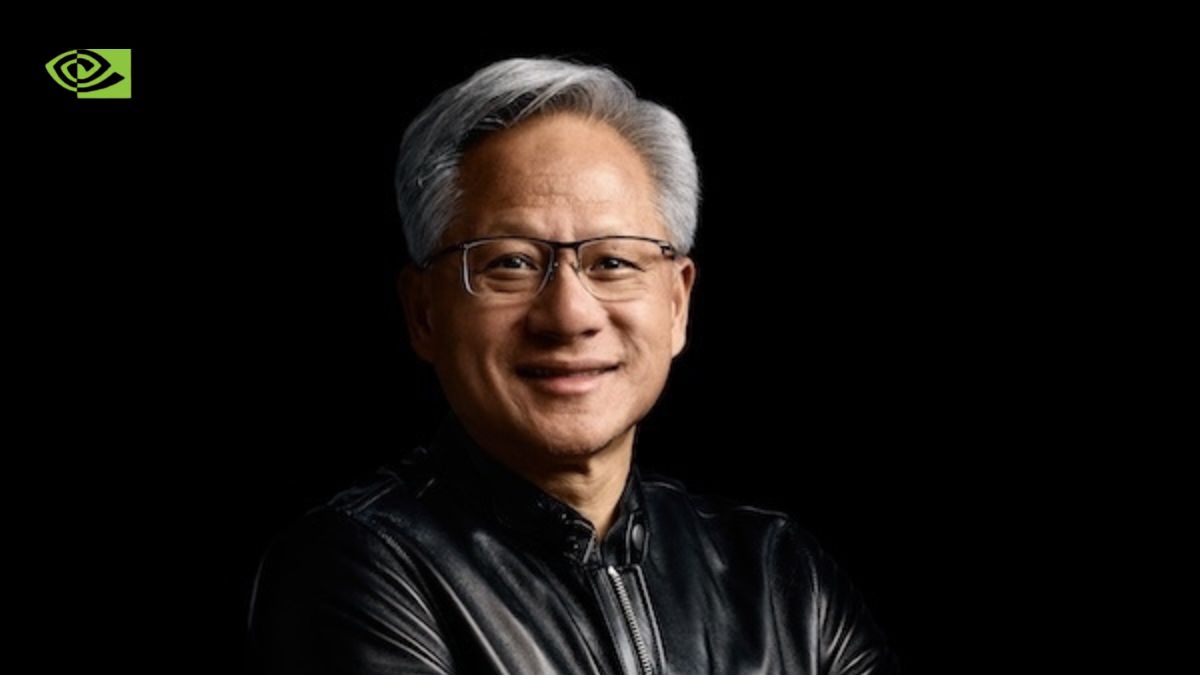
On November 12, Jensen Huang walked away from the company he had spent 33 years building. Five days later, NVIDIA’s board made it clear that it had no intention of bringing him back. And yet, on November 23, Huang was once again the CEO of NVIDIA.
What happened in those 11 days is perhaps more interesting than the announcement itself.
On Monday, NVIDIA officially announced that its board had reinstated Huang as President, Chief Executive Officer and a member of the Board of Directors. The decision came after discussions with Huang and consultations with senior US government officials.
Behind this sudden change of mind was the involvement of US President Donald Trump, growing pressure from investors and concerns over the future of one of America’s most valuable technology companies.
Why did Jensen Huang resign?
Until a few weeks ago, few could have imagined NVIDIA without Jensen Huang. The man in the black leather jacket had become almost synonymous with the global artificial intelligence industry.
However, things changed earlier this month when reports about his personal relationships surfaced in the American media.
According to Reuters, Huang’s resignation followed revelations of extramarital affairs, including one involving a businesswoman whom US authorities suspect of having links with Chinese intelligence. Beijing has denied the allegation.
What might otherwise have remained a matter of personal conduct soon became a national security concern, given NVIDIA’s position in the semiconductor industry and the ongoing technology rivalry between the US and China.
On November 12, Huang stepped down. NVIDIA appointed its Chief Financial Officer, Colette Kress, as interim CEO, while Harvey C. Jones took over as chairman of the board.
At that point, his departure appeared final.
Then Donald Trump stepped in
On November 17, NVIDIA chairman Harvey Jones said the board had no intention of reinstating Huang. Less than a week later, the same board welcomed him back.
So, what changed?
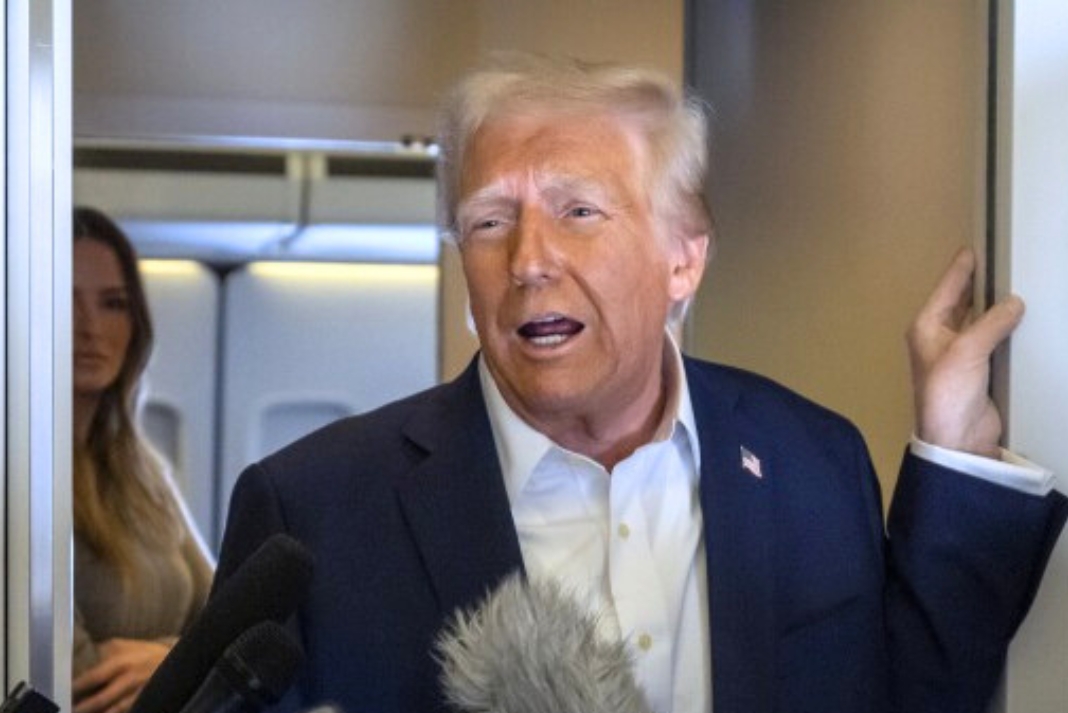
In an interview with CNBC on Monday, Donald Trump acknowledged that he had spoken directly with NVIDIA’s board. The US President was reportedly concerned about what was happening to the company following Huang’s departure.
There was also growing support for Huang within Silicon Valley. According to The Wall Street Journal, several technology executives, including Elon Musk, supported his return.
NVIDIA, in its official announcement, said that information provided by senior US government officials had given the board confidence that Huang’s reinstatement would not pose a national security risk.
The board ultimately reversed its earlier decision.
Nearly $1 trillion recovered in a single day
Wall Street did not take long to react.
NVIDIA shares closed 31.5% higher on Monday, recovering approximately $950 billion in market value in a single trading session. However, the company has yet to recover all the losses it suffered following Huang’s resignation. as it happened+1
It is unusual for a company’s fortunes to change so dramatically because of one individual. But NVIDIA’s relationship with its founder is somewhat different.
When Huang co-founded NVIDIA in 1993, artificial intelligence was nowhere near the commercial phenomenon it is today. The company was largely known for graphics cards used in computers and video games.
Over the years, Huang transformed NVIDIA into a company whose technology now powers some of the world’s most advanced AI systems. From ChatGPT and large language models to scientific research, robotics and data centres, NVIDIA’s chips have become an essential part of modern computing.
His sudden departure, therefore, worried not just NVIDIA shareholders but the wider technology industry.
The investigation is not over
While investors may be celebrating Huang’s return, several questions remain unanswered.
NVIDIA’s independent investigation into the concerns surrounding Huang has not concluded. The company has also established a committee to oversee matters related to national security and export controls.
Some American lawmakers have expressed concerns over the decision to reinstate Huang before the investigation has been completed.
It is important to understand that his return to the company does not mean that all allegations against him have been dismissed.
There is also a larger issue here. The United States has spent years restricting China’s access to advanced semiconductor technology, citing national security concerns. NVIDIA happens to be one of the most important companies at the centre of that policy.
Naturally, the circumstances surrounding Huang’s departure and subsequent return deserve scrutiny.
Is NVIDIA too dependent on Jensen Huang?
Perhaps the most interesting aspect of this entire episode is how quickly the position of NVIDIA’s board changed.
A company worth trillions of dollars struggled to reassure investors following the departure of its founder. Its board publicly ruled out his return, only to reverse that decision days later following intervention from the White House.
For a company that employs thousands of talented engineers and researchers, such overwhelming dependence on one person raises an important question about its long-term leadership.
What happens when Jensen Huang eventually decides to retire?
For now, NVIDIA has its founder back, investors have recovered a substantial portion of their losses, and the Trump administration appears satisfied with the outcome.
The investigation, however, continues.