Israel Strike on Iran Triggers Oil Surge; Donald Trump Says He Was “Not Aware”
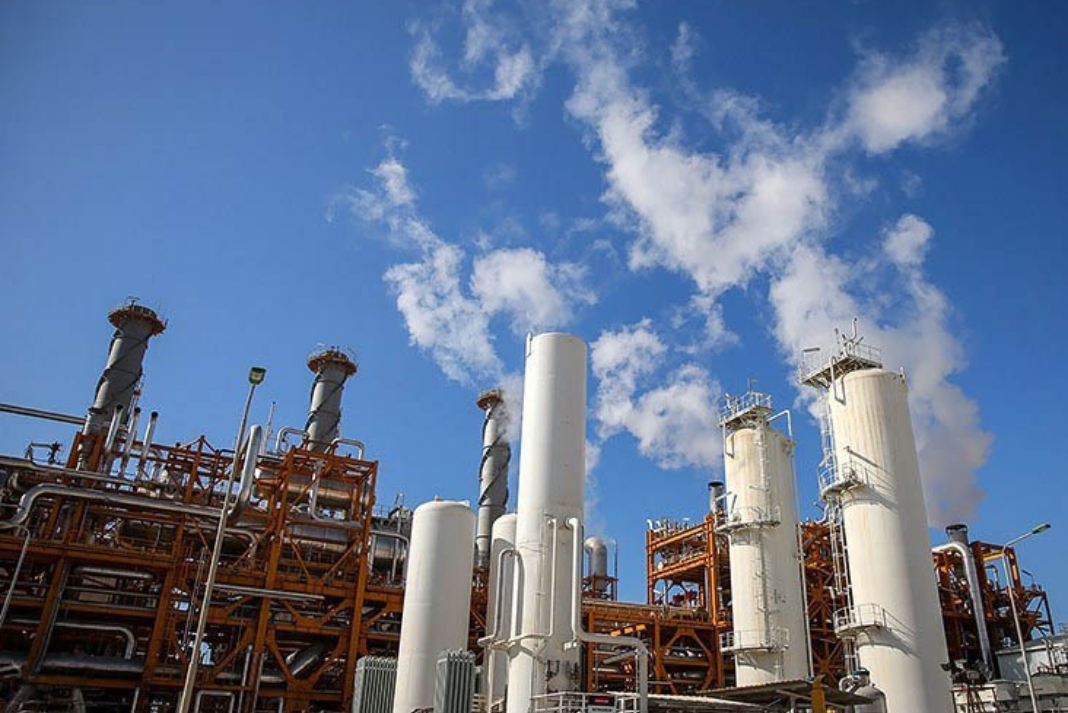
The global oil market has once again become the first casualty of geopolitical conflict. Prices have surged to their highest levels since 2022, following a major escalation in the Middle East conflict. The trigger: an Israeli strike on Iran’s critical energy infrastructure at the South Pars gas field, an offshore facility shared with Qatar and considered the world’s largest natural gas reserve.
The strike reportedly damaged infrastructure responsible for nearly 12% of Iran’s gas production, forcing shutdowns at key refineries and temporarily halting output.
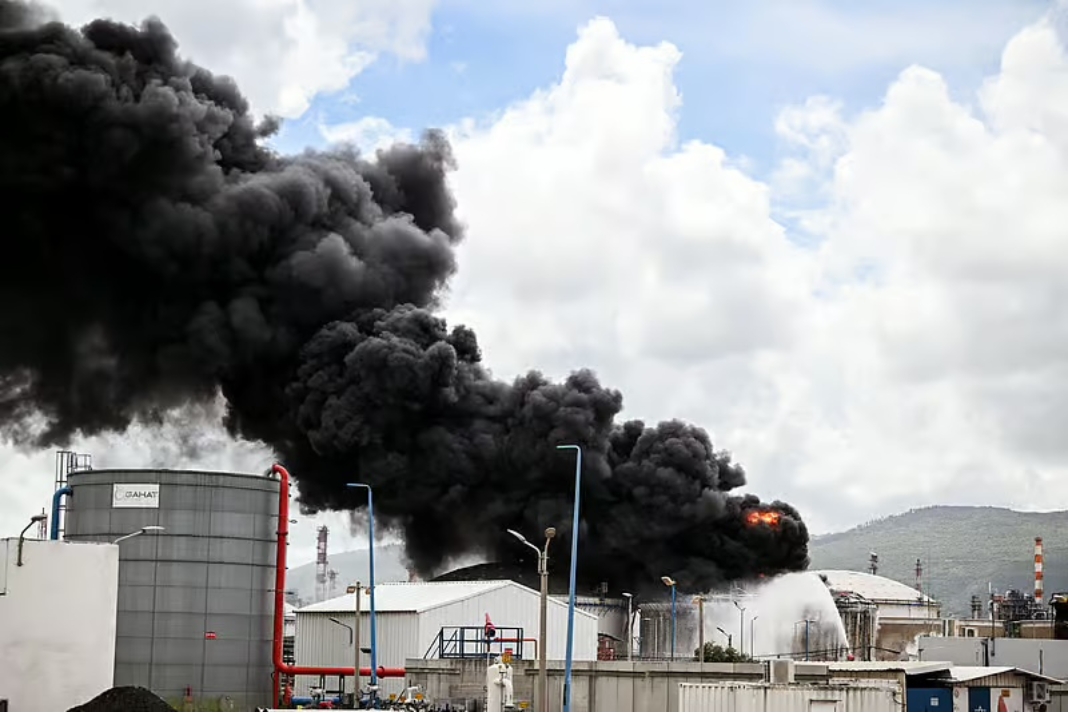
After Israel struck Iran’s key energy facility, Iran responded swiftly and aggressively, expanding the conflict beyond its borders. Iran launched ballistic missiles at Qatar’s Ras Laffan Industrial City, one of the world’s most important LNG export hubs. The strike caused fires and extensive damage to infrastructure. Ras Laffan handles a significant portion of the global LNG supply.
Iran did not stop at Qatar. Iranian missiles also targeted the Habshan gas facility and the Bab oil field in Abu Dhabi (UAE). While some were intercepted, operations were still disrupted. The Saudi government placed its energy facilities on high alert.
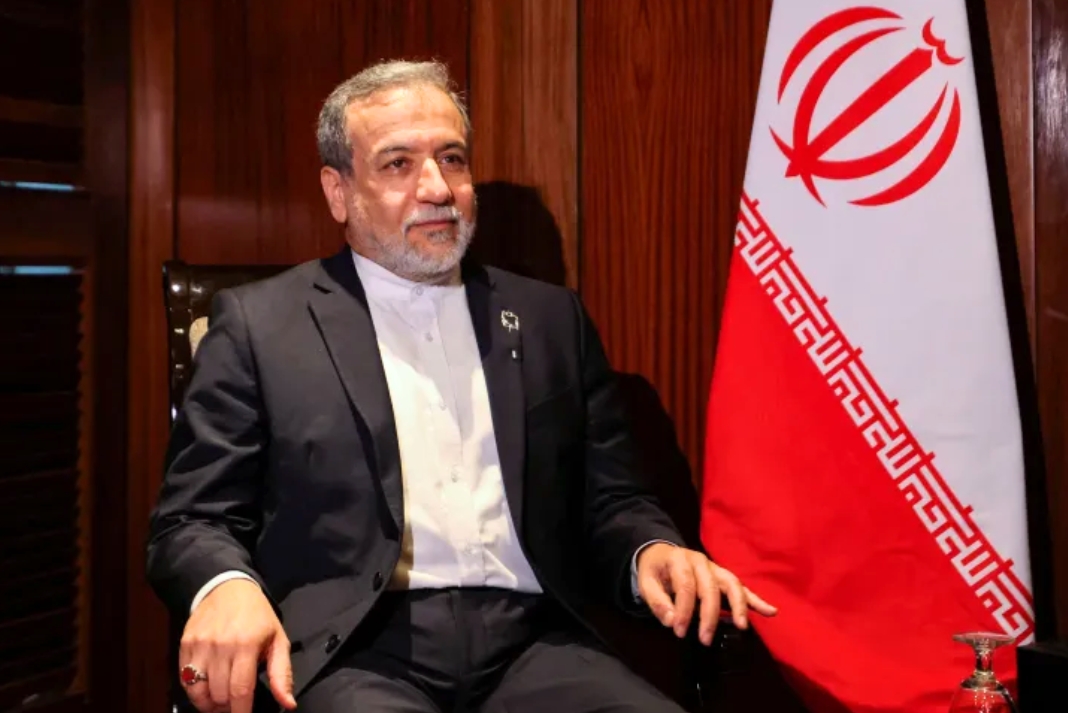
Iran issued a clear warning to the region, urging evacuation of key oil and gas sites. Tehran warned it would continue attacks if strikes on its infrastructure persist.
In fact, Iran’s Revolutionary Guards explicitly stated that further attacks would continue “until [enemy infrastructure] is completely destroyed.”
The current phase of the conflict did not begin with oil, it began with the killing of Iranian political leader Ali Larijani. The assassination of Ali Larijani is not merely a tactical war practice; historically, the removal of top leadership in volatile regions has often triggered unpredictable retaliation rather than de-escalation. Israeli strikes on facilities linked to the South Pars gas field, one of the world’s most vital energy reserves, have effectively turned the conflict into an energy war.
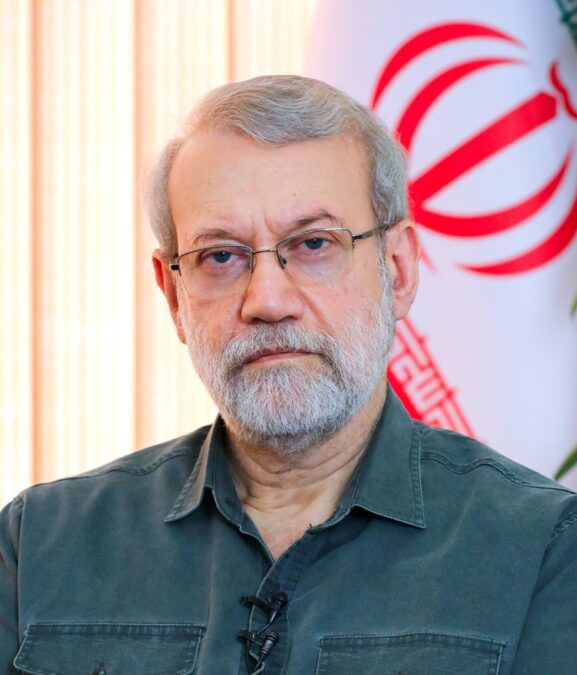
The consequences of this conflict in global markets were immediate. Brent crude oil surged above $110–$113 per barrel, with prices touching $112.86 per barrel, the highest levels since 2022. Oil has risen over 40% since the conflict escalated in late February.
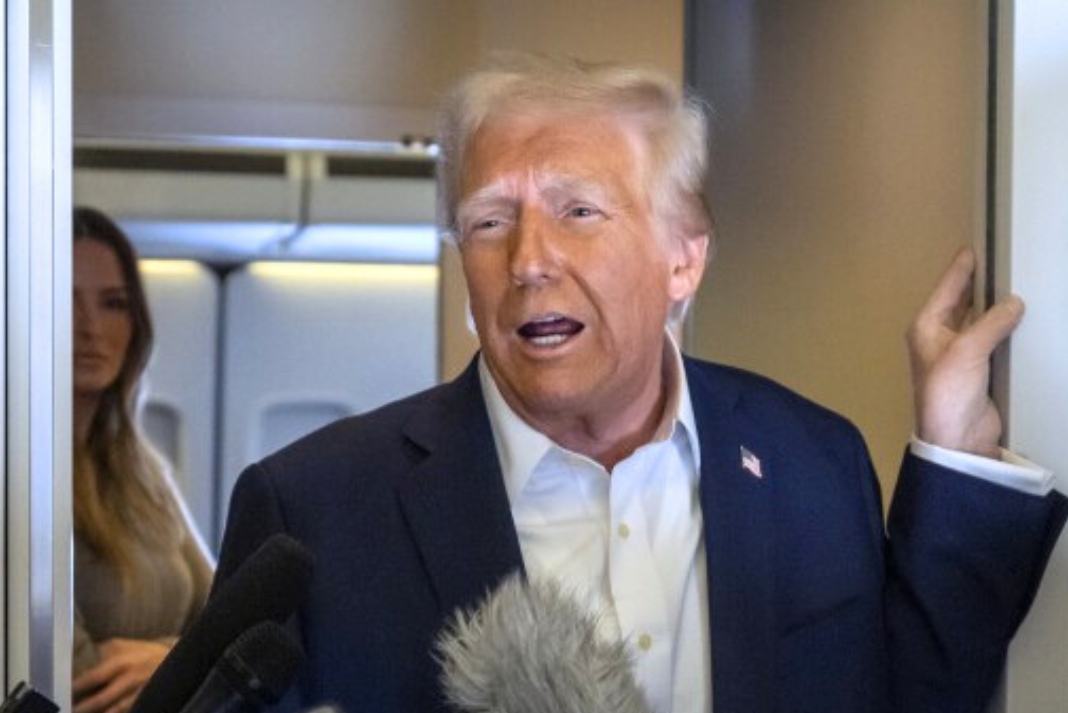
Amid escalating tensions, U.S. President Donald Trump responded on Truth Social, claiming he was “not aware” of Israel’s latest strikes. The remark has raised serious concerns, not just politically, but strategically.
The United States remains Israel’s most significant military ally, providing extensive arms, funding, and intelligence cooperation. In that context, a claim of non-awareness presents two deeply troubling possibilities: there exists a serious breakdown in coordination between Washington and Tel Aviv, or the statement reflects a deliberate attempt to distance from accountability amid rising global criticism.
Neither scenario inspires confidence.
The surge in oil prices is not just an economic story, it is a reflection of a deeper crisis in global leadership.
The assassination of figures like Ali Larijani, the expansion of conflict into energy infrastructure, and the ambiguous responses from global powers together point to a world increasingly shaped by aggressive decision-making and uncertain accountability.
In such an environment, the question is no longer whether markets will react, but how severe the consequences will be.
Because when geopolitical strategy turns volatile, it is not just nations that bear the cost, it is the entire world.
The targeted killing of political leaders, once considered a last resort, is now becoming normalized. Energy infrastructure, previously treated as a strategic asset to be protected, is now a primary target.