The “No Kings” Movement and the Battle for America’s Future: Will Massive Protests Spell Trouble for Trump in the Midterms?
From Washington to Mumbai, what happens in America no longer stays in America. As 8 million Americans took to the streets on March 28 in the largest anti-Trump protest yet, the political tremors are being felt far beyond US shores, especially in India, where a potential change in Washington’s leadership could reset the calculus on trade, immigration, and defense ties.
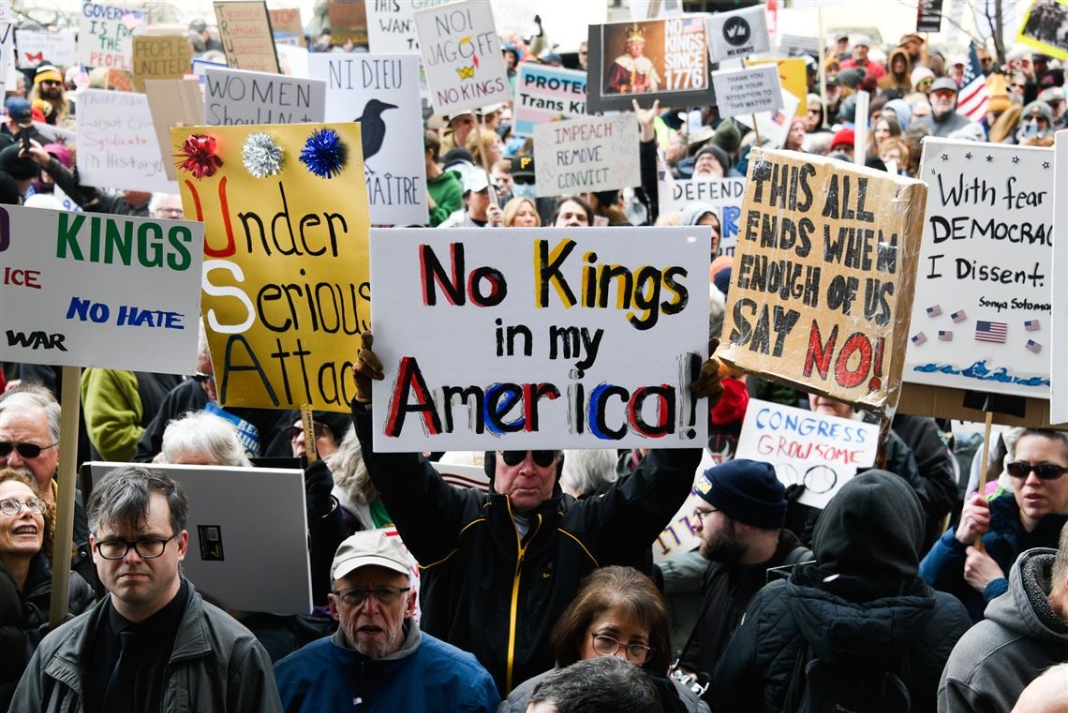
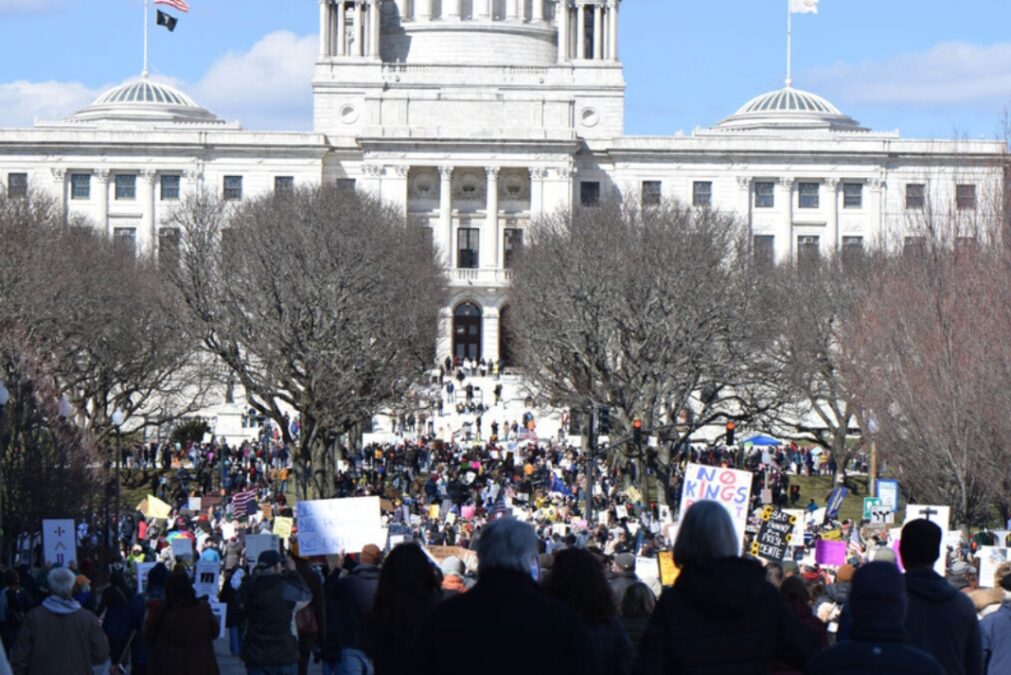
On March 28, 2026, an unprecedented wave of dissent swept across the United States. Organizers estimate that more than 8 to 9 million people participated in over 3,100 “No Kings” protests nationwide, the largest single day of political demonstrations in American history. From the steps of the Rhode Island State House to the main rally in St. Paul, Minnesota, the message was unmistakable: opposition to the Trump administration has reached a boiling point.
With the midterm elections looming in November, the central question, not just for Americans but for global powers like India, is whether this energy on the streets will translate into a rebuke at the ballot box. The protests were driven by three key grievances: the war with Iran, aggressive immigration enforcement, and crushing inflation. For Indian readers, each of these issues carries direct implications for New Delhi’s strategic interests.
A Movement Without Borders and Why India Should Care
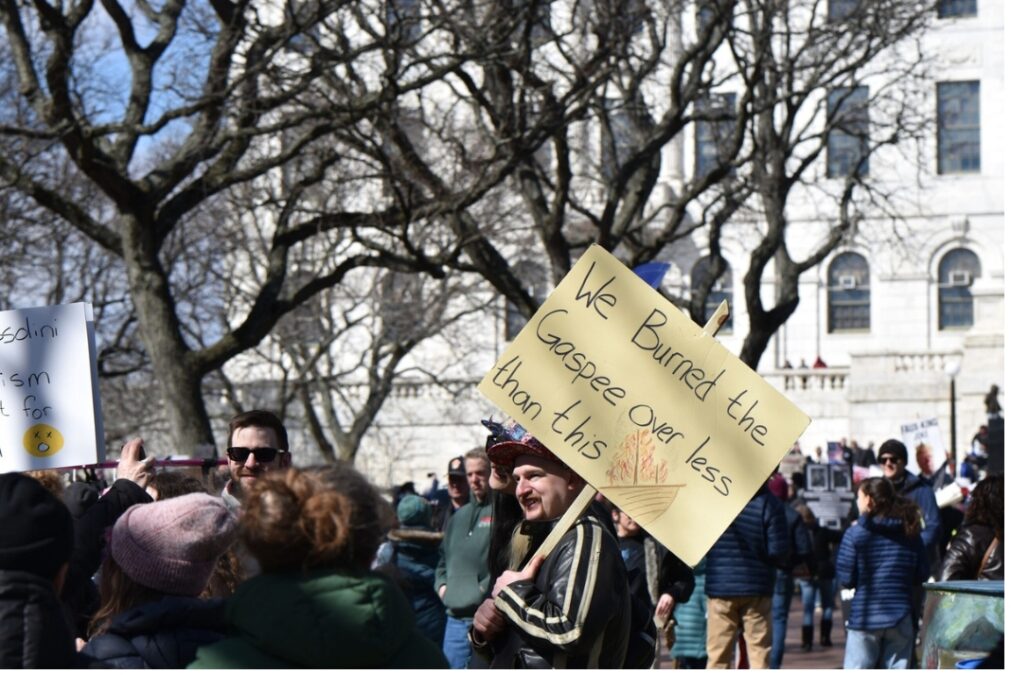
The “No Kings” movement, now in its third iteration, has grown exponentially. Organizers noted a significant shift: over half the protests occurred in Republican-leaning or battleground states, and two-thirds took place outside major cities. This is not just a coastal elite phenomenon; it is a national reckoning.
For India, the outcome of this reckoning matters deeply. A Democratic-controlled Congress after November could revive stalled trade negotiations, revisit H-1B visa policies, and potentially shift the US stance on Iran, a country with which India has longstanding energy and strategic ties. Conversely, a Trump administration emboldened by midterm success might double down on protectionist trade policies and a confrontational Iran strategy, forcing India into difficult diplomatic choices.
“From the very beginning of this administration, they have taken aim at our democracy and our rights,” said Leah Greenberg of Indivisible. “The response has been a movement that reaches every corner of the country.”
In Providence, 76-year-old activist Marrianna Richardson, a veteran of Vietnam War protests, expressed renewed faith in the movement, noting the diversity of the crowd: “It was just us old gray hairs back at the beginning. Everybody’s involved now.”
The Political Calculus: Will Protests Flip Seats and Reset US Policy?
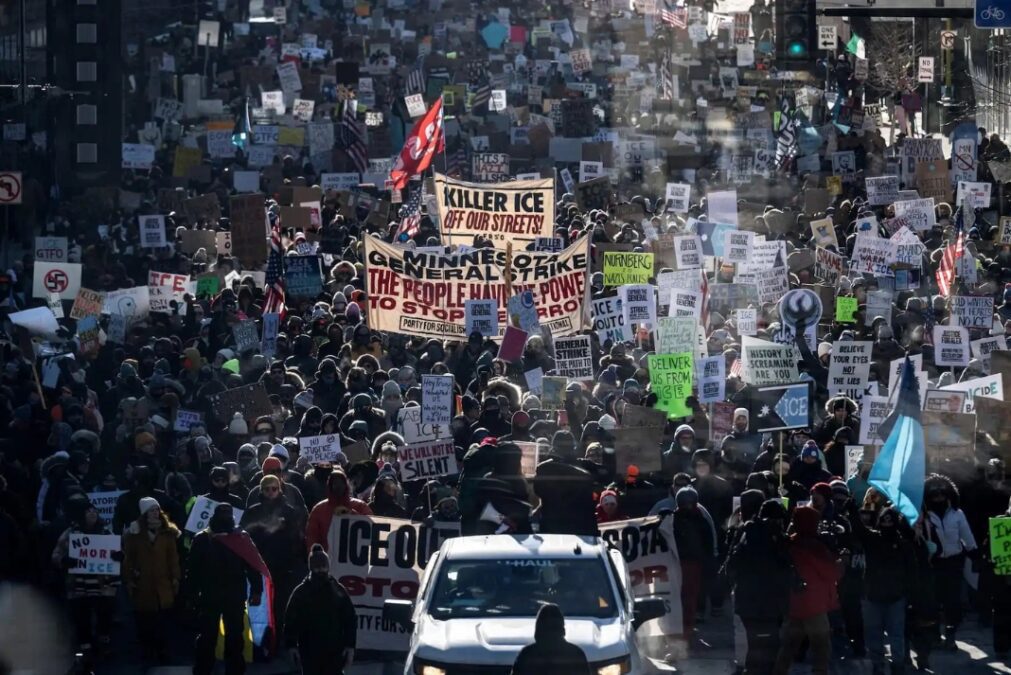
Midterm elections in the US are historically a referendum on the sitting president. With President Trump’s approval ratings underwater on key issues, the landscape appears treacherous for Republicans. But for Indian readers, the more compelling question is: What happens to India-US relations if the political winds shift?
Immigration: The H-1B Question

A Brookings Institution analysis reveals that 55% of voters have very little confidence in ICE, the immigration enforcement agency, including 67% of independents. The administration’s aggressive immigration stance has already triggered political backlash in states like Minnesota and Maine, forcing tactical retreats.
For India, which sends the largest number of skilled workers to the US on H-1B visas, this is a double-edged sword. While the protests signal a broader public desire for humane immigration policies, which could benefit Indian professionals, the administration’s hardline rhetoric has already made visa approvals more unpredictable. A Democratic-controlled House could push for immigration reforms that expand legal pathways, a development that would be welcomed in Bengaluru, Hyderabad, and Pune.
The Iran War: A Conflict America Didn’t Want, and India Watches Closely
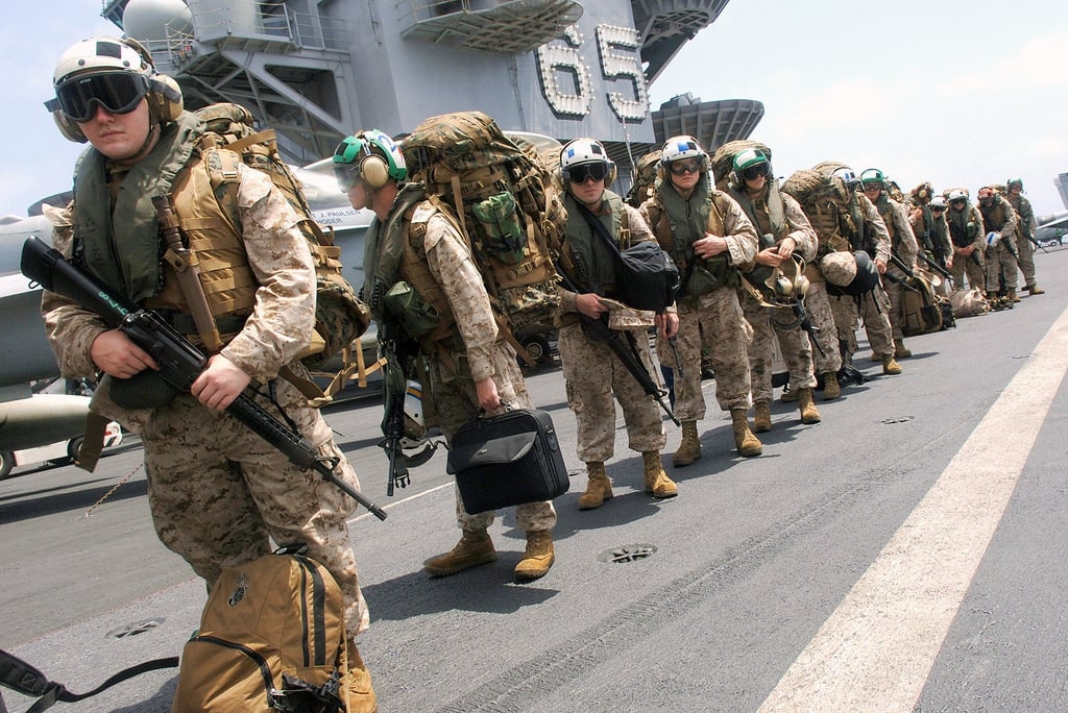
A primary catalyst for the March 28 protests was the ongoing war with Iran, now entering its second month. A Pew Research Center survey found that 61% of Americans disapprove of Trump’s handling of the Iran conflict, while 59% believe the initial strike was wrong.
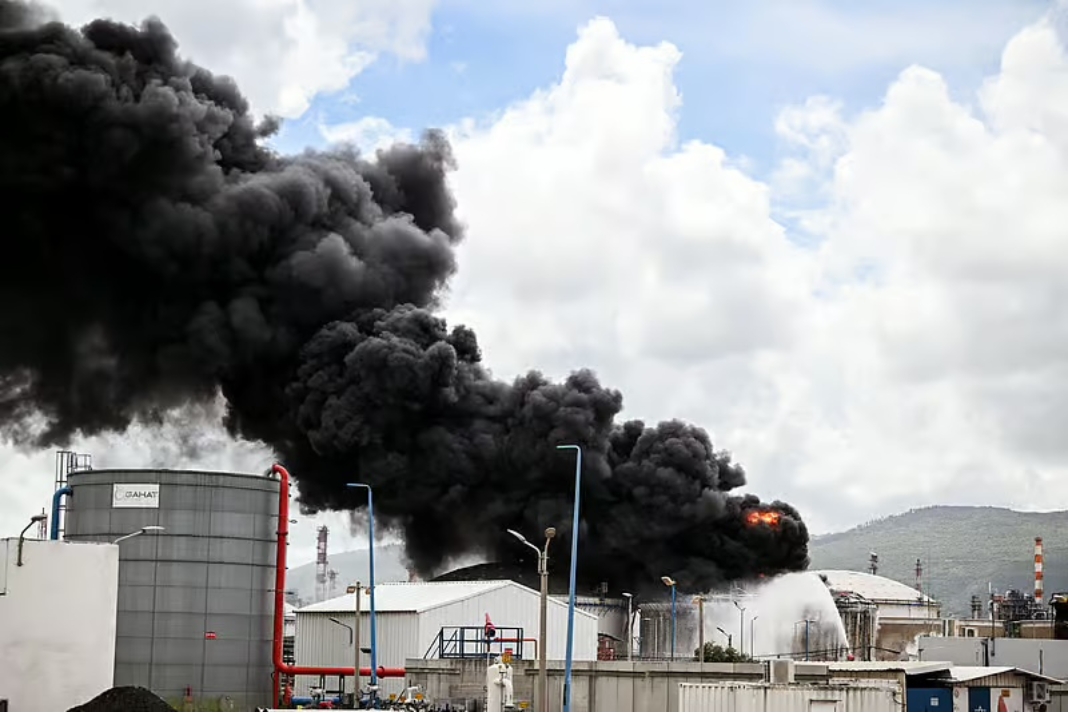
For India, the Iran war is not a distant news item. Iran is a critical energy partner and a gateway to Central Asia via the Chabahar port, which India has invested in heavily. Escalation in the Gulf directly threatens Indian expatriates (over 8 million Indians live and work in the Gulf region) and oil prices. Already, an AP-NORC poll found 45% of Americans are “extremely” or “very” concernedabout affording gas, a concern that resonates equally in India, where fuel prices are a political flashpoint.
Indian strategists are watching closely: a change in Congress could pressure the administration to de-escalate, while continued Republican dominance might prolong the conflict, forcing India to choose between its ties with Washington and its historical relationship with Tehran.
Inflation: The “Kitchen Table” Issue with Global Ripple Effects
“My grocery bills have jumped from $80 to over $100 per trip,” one woman in Minneapolis told reporters. A DNC report highlighted that core inflation rose 0.4% in January, with families expected to pay over $2,500 more in 2026 due to tariffs and rising costs.
For Indian readers, the US inflation story feels familiar; it mirrors the price rise concerns that dominate Indian elections. But beyond empathy, there is a material connection: US monetary policy and consumer demand directly impact Indian IT exports, remittances, and global commodity prices. A US recession (which some economists now warn of) would hit India’s services sector hard. The protests, in this sense, are a barometer of American economic anxiety and a warning signal for Indian markets.
Shifting Sands in Trump’s Base and Lessons for Indian Politics
Perhaps the most telling sign for the White House is the erosion of support among Catholics and Protestants, according to a Fox News poll. Approval dropped among Catholics from 52% to 48%, slipping into negative territory. Only white evangelicals have strengthened their support.
For Indian readers accustomed to coalition politics and vote-bank dynamics, this polarization is familiar. The US is witnessing what India has long known: that a leader can retain a hardcore base while losing the broader electorate. In India, such a scenario often leads to midterm setbacks. The question is whether the American system, with its two-party structure, will produce a similar outcome in November.
Conclusion: A Nation Divided, and the World Waits
As the November midterms approach, the massive turnout for the “No Kings” protests serves as a powerful indicator of the intensity of opposition facing the Trump administration. The movement has successfully consolidated anger over the Iran war, the cost of living, and immigration enforcement into a cohesive narrative that resonates far beyond the Democratic base.
For Indian readers, this is more than a spectacle of American democracy. It is a preview of potential policy shifts that could affect India’s economic fortunes, diaspora communities, and strategic positioning. Whether the streets translate into seats remains to be seen. But as one protester told reporters in Washington, “What happens here doesn’t stay here. The whole world is watching.”
For India, that is not just a slogan; it is a reality.