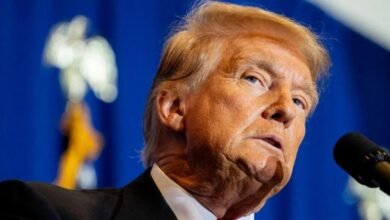
The Coming Storm: If Democrats Win the Midterms, Trump’s Legal Peril and the Epstein Files Will Explode
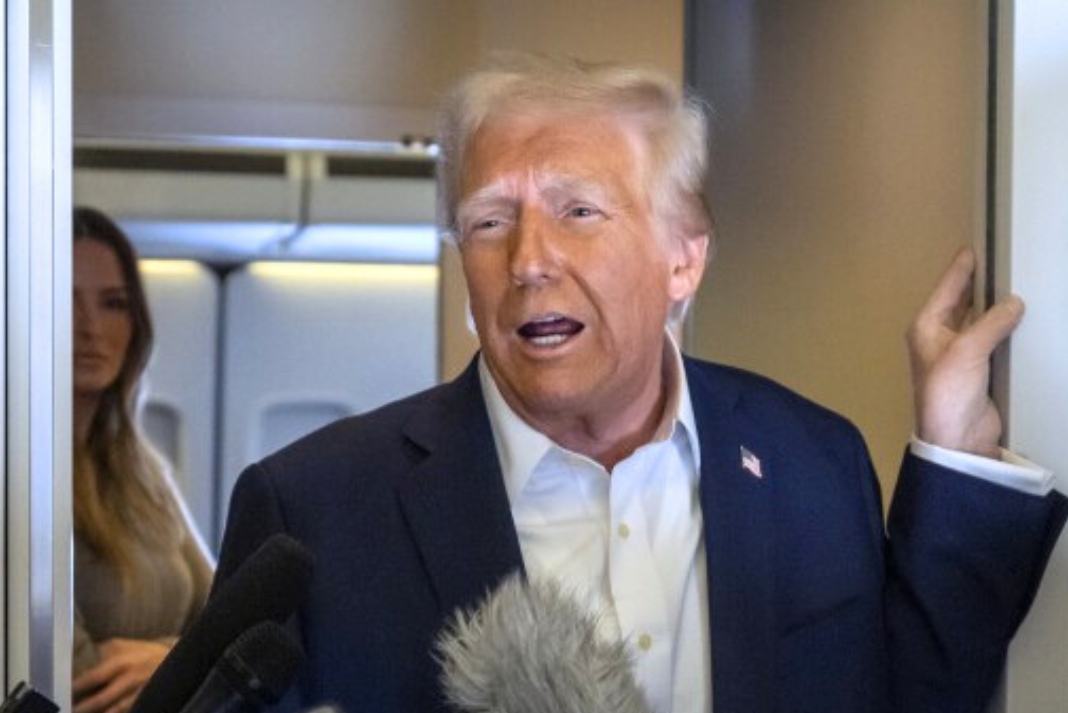
Across Washington, the political ground is shifting. With a record wave of Republican retirements, an unprecedented third round of “No King” protests flooding the streets, and key allies deserting the White House, the GOP’s grip on Congress is hanging by a thread. Should Democrats capture the House, and possibly the Senate, in the 2026 midterm elections, the consequences for Donald Trump will extend far beyond legislative gridlock. Within weeks, a Democratic majority would likely transform two dormant threats into full‑blown political and legal crises: the long‑sealed Epstein files and the web of criminal and congressional investigations circling the former (and current) president.
The Midterm Math: Why a Democratic Takeover Is Now Within Reach
The Republican exodus from Capitol Hill has reached historic proportions. With 36 House Republicans opting to retire rather than seek re‑election, a number that surpasses the 2018 midterm wave, the GOP’s razor‑thin majority (currently 217–214) is evaporating before a single vote is cast. Dozens of open seats in traditionally conservative districts are now rated as toss‑ups, and Democrats are already celebrating special‑election upsets in deep‑red territory.
At the same time, the White House is hemorrhaging personnel. The ouster of National Security Adviser Mike Waltz following a security scandal, combined with the resignation of counterterrorism director Joe Kent over the administration’s war policy, has left the West Wing in disarray. Even longtime Trump allies are publicly breaking ranks, warning that the president has strayed from his “America First” promises.

Outside the Beltway, the “No King” movement has mobilized millions. Organizers estimate that more than 7 million Americans have participated in three nationwide protest waves since January, with the most recent rally drawing crowds rivaling the Women’s March. The protests, fueled by anger over the war in Iran, soaring living costs, and what demonstrators call “executive overreach,” have become a visible metric of the president’s eroding support.
Taken together, these signs point to a Democratic wave. And if that wave hits on election night, the party that takes control of Congress will hold subpoena power, a power that could rewrite Trump’s political future.
Aftereffect No. 1: The Epstein Files Go From Sealed to Public
For years, the Jeffrey Epstein scandal has lingered as a political wildcard. While Trump has not been charged in connection with Epstein, the web of associates, flight logs, and sealed court records has remained a source of intense speculation. Currently, much of the material sits under the jurisdiction of the Department of Justice and various court orders, largely inaccessible to a Republican‑led Congress that has shown little appetite for digging into the matter.
That would change overnight if Democrats take control of the House Judiciary Committee and the Oversight Committee. Committee chairs have already signaled that unsealing the full Epstein files would be a day‑one priority.
Subpoenas for flight logs and grand jury testimony – Democratic chairs would immediately issue subpoenas for all remaining documents held by the FBI and the Southern District of New York, including witness interviews, sealed depositions, and evidence that never saw trial.
Public hearings – Televised hearings featuring Epstein’s accusers, former investigators, and whistleblowers would be scheduled within weeks, guaranteeing sustained media attention.
Pressure on the Justice Department – A Democratic Congress would wield the power of the purse and oversight, potentially forcing Attorney General Merrick Garland’s successor (or a new appointee) to appoint a special counsel focused exclusively on Epstein’s network.
Even if the investigations never produce criminal charges against Trump, the political damage of daily headlines linking his name to Epstein associates, many of whom have already been implicated in trafficking, could be devastating, particularly in a presidential election cycle.
Aftereffect No. 2: Legal Cases Accelerate, Congressional Investigations Multiply
Trump is currently navigating four active criminal cases: the New York hush‑money case (where sentencing was recently deferred), the classified documents case in Florida, the Georgia election interference case, and the federal January 6 prosecution. A Democratic Congress would not directly control those prosecutions, but it would become a powerful engine for new legal jeopardy.
1. Aggressive Oversight Hearings
With subpoena power, Democratic committees would launch overlapping investigations into:
Trump’s handling of classified material (including documents reportedly destroyed or withheld)
His role in the January 6 certification and any communications with state officials
Foreign payments to Trump businesses during his presidency
Allegations of obstruction related to the Mar‑a‑Lago search
These hearings would serve as a constant, televised reminder of the legal clouds hanging over the president. More importantly, they would create a public record that could be used by special counsel Jack Smith or state prosecutors to bolster existing cases or bring new charges.
2. Funding and Protecting Prosecutors
A Democratic Congress could allocate additional resources to the Justice Department and state prosecutors’ offices, ensuring that cases move forward without budgetary constraints. Conversely, Republicans have repeatedly threatened to defund the special counsel’s office; a Democratic majority would shield those investigations from political interference.
3. The Racketeering Case in Georgia
Fulton County District Attorney Fani Willis’s RICO case against Trump and 18 allies has faced delays and appeals. A Democratic Congress could apply political pressure on the Georgia legislature to refrain from passing legislation designed to hamstring Willis’s office, effectively allowing the case to proceed to trial without obstruction.

Aftereffect No. 3: International Fallout: Allies See a Wounded President
The consequences of a Democratic midterm victory would not be confined to domestic politics. Abroad, U.S. allies are already wary of Trump’s erratic foreign policy, including the ongoing war in Iran and recent tensions with NATO partners. A Congress hostile to the White House would strip the president of his ability to project strength.
Legislative vetoes – Democrats could block further military authorizations or impose conditions on arms sales, effectively tying the president’s hands on the world stage.
Global perception – Foreign leaders would see a weakened executive, making it harder to negotiate treaties or secure allied cooperation on Iran, China, and trade.
This geopolitical isolation would further erode Trump’s standing among the Republican base, which elected him in part on a promise of “peace through strength.”
Why the GOP’s Defeat Is No Longer Theoretical
The convergence of pressures makes a Democratic takeover a genuine possibility:
Record retirements – With 36 House Republicans leaving, the party is losing institutional knowledge and forcing expensive primary battles in open seats.
White House chaos – The departure of national security personnel and the public resignation of a Trump appointee over Iran signal deep dysfunction.
Mass protests – The “No King” movement has demonstrated sustained, organized opposition that could drive Democratic turnout.
Economic dissatisfaction – Fuel prices and inflation remain top voter concerns, and incumbents historically pay the price.
If these trends hold, the post‑midterm landscape could see Democrats holding the House (and possibly the Senate) by January 2027.
Conclusion: A Lame‑Duck President Facing the Ultimate Accountability
A Democratic midterm victory would not remove Trump from office immediately. But it would transform the final two years of his term into a period of relentless oversight, legal exposure, and political siege. The Epstein files, long shrouded in secrecy, would be dragged into public view. Congressional investigations would create a daily drumbeat of damaging revelations. And the legal cases against him, no longer shielded by a friendly Congress, would accelerate toward trial.
For Trump, who has spent decades avoiding accountability, the 2026 midterms may be the moment the walls finally close in. For the Republican Party, it would mark the beginning of a reckoning, one that could define the post‑Trump era far more than his time in office ever did.