The Gaza Horror and Iran’s Revenge: Is Israel Paying the Price?
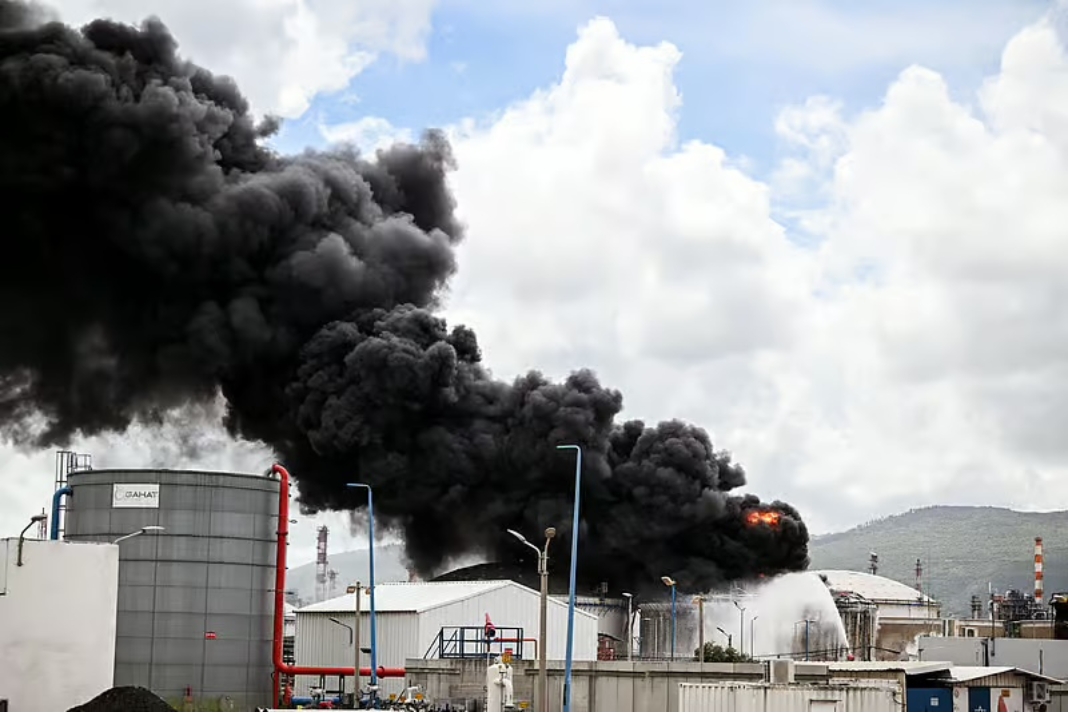
For nearly two and a half years, Gaza has been under relentless attack. A separate war with Iran is raging. Inside Israel, the government is silencing the media and pushing through controversial laws. After the immense destruction in Gaza, many are asking: is Israel now paying the price?
This report brings together official figures, expert analysis, and ground realities in simple terms.
1. Gaza: The Scale of the Tragedy
Let’s start with the numbers.
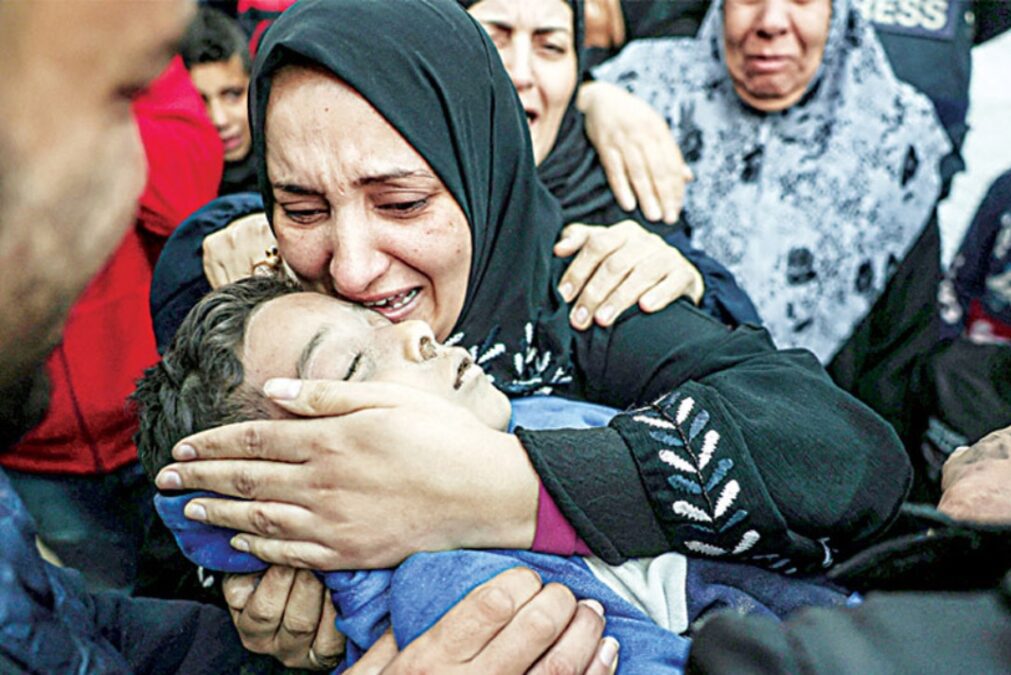
According to the Palestinian Ministry of Health and the United Nations, 72,253 Palestinians have been killed in Gaza since October 7, 2023. Another 171,912 have been wounded .
A United Nations investigation verified about 10,000 deaths from the first six months of the war. It found that nearly 70 percent were women and children .
The youngest verified victim was a one‑day‑old baby boy.
The oldest was a 97‑year‑old woman.
Children between the ages of five and nine made up the largest group of victims.
The UN report said that Israeli forces’ actions caused “unprecedented levels of killings, death, injury, starvation, illness and disease.” It warned that these actions could amount to war crimes, crimes against humanity, and possibly genocide .
Even after a ceasefire was announced in October 2025, the killing did not stop. Between October 2025 and March 2026, at least 673 Palestinians were killed in what the UN called “daily violations” of the truce. The Rafah crossing was briefly reopened for medical evacuations, but most goods still go through a single crossing, causing severe shortages of medicine and food.
The UN human rights office says Palestinians in Gaza are still “living under conditions of precarity and dehumanization.
2. The War with Iran: Israel’s “Huge Achievements”
While Gaza has been devastated, Israel has also been fighting a large‑scale war against Iran, with strong backing from the United States.
On April 1, 2026, the Israeli military (IDF) announced that it had hit more than 4,000 targets in Iran, carried out 800 strike missions, and dropped 16,000 munitions. It claimed to have killed Iranian Supreme Leader Ali Khamenei and 2,000 Iranian soldiers.
Prime Minister Benjamin Netanyahu called these “enormous accomplishments” and said Israel was “systematically crushing” the Tehran government.
Iran has responded with its own attacks. The Iranian Revolutionary Guard Navy struck an Israeli cargo ship and a U.S. Marines facility in the United Arab Emirates in an operation they called “True Promise 4.”
3. Silencing the Media: A Crackdown on Reporting
Inside Israel and the occupied territories, the government has been steadily restricting press freedom.
In January 2026, Israel extended a ban on Al Jazeera and Al Mayadeen, blocking their websites and YouTube channels. A new law, now made permanent, gives the communications minister broad power to shut down foreign media outlets, block their broadcasts, and seize their equipment if they are considered a security threat.
The Committee to Protect Journalists says these moves “limit transparency, block scrutiny of its actions, and undermine the public’s right to information.”
More than 250 journalists and media workers have been killed since October 2023. Foreign journalists are still largely banned from entering Gaza, leaving Palestinian reporters to cover the war under extreme danger.
4. Protests and Political Turmoil
Large‑scale anti‑government protests have not erupted inside Israel in recent days, but the political atmosphere is tense.
Opposition leaders accuse the government of using the war as cover to push through a partisan agenda. In March 2026, the Knesset (Israeli parliament) began debating bills to overhaul the media, split the role of the attorney general, and create a political panel to investigate the failures of October 7, 2023.
Opposition leader Yair Lapid said the coalition was promoting “its extremist agenda and stealing money for political purposes” while the country was at war. Former Prime Minister Naftali Bennett called it “a punch in the stomach of IDF fighters.”
At the same time, the government approved more than 5 billion shekels (about $1.6 billion) in special funds for religious institutions, West Bank settlements, and other political priorities.
5. West Bank: Forced Displacement on an “Unprecedented Scale”
The violence is not limited to Gaza.
In the occupied West Bank, the United Nations says more than 36,000 Palestinians were forcibly displaced in a single year. A UN human rights report called this “an unprecedented scale of forced displacement,” adding that it appeared to be “a coordinated Israeli policy of mass transfer aimed at permanent displacement,” raising concerns of ethnic cleansing .
UN human rights chief Volker Turk said Israel’s actions in the West Bank and Gaza seemed intended to create “permanent demographic change.”
Between October 7, 2023, and March 15, 2026, 1,071 Palestinians – including at least 233 children – were killed in the West Bank, including East Jerusalem.
6. Food Imports: Prices Set to Soar
Israel is making a major change to its food import policy.
Starting in April 2026, it will impose a 50 percent tariff on feed wheat imported from countries other than the United States. This mainly affects wheat from Russia and Ukraine, which has been the traditional source.
The goal is to strengthen trade ties with the U.S., but the result will be higher costs for Israeli consumers. Local farmers and business groups warn that animal feed will become much more expensive, and in turn, the price of chicken could rise by 50 to 70 percent .
7. Is Israel Paying the Price?
After the immense destruction in Gaza – where UN data shows about 80 percent of verified deaths occurred in attacks on residential buildings – many people ask whether Israel is now facing a reckoning.
Militarily, Israel has not yet suffered heavy casualties in the Iran war. Its strategy depends on overwhelming firepower and U.S. support.
Internationally, Israel is facing growing isolation. The UN has accused it of possible genocide and ethnic cleansing. The International Court of Justice is hearing related cases.
Domestically, the country is deeply divided. The government is pushing through laws that critics call undemocratic, even as soldiers fight on multiple fronts.
Economically, ordinary Israelis may soon face steep price hikes for basic food.
But is any of this “payback” equal to what has happened in Gaza? The UN documented that Israeli attacks repeatedly struck residential buildings, hospitals, schools, and aid convoys. Nearly 70 percent of the verified dead were women and children.
Perhaps the true price is not military or economic. It is the judgment of history. Every destroyed home, every banned journalist, every child killed – all of it is being recorded. In the long run, that may be the heaviest price of all.