From Escobar to Maduro, Power Plays Look the Same
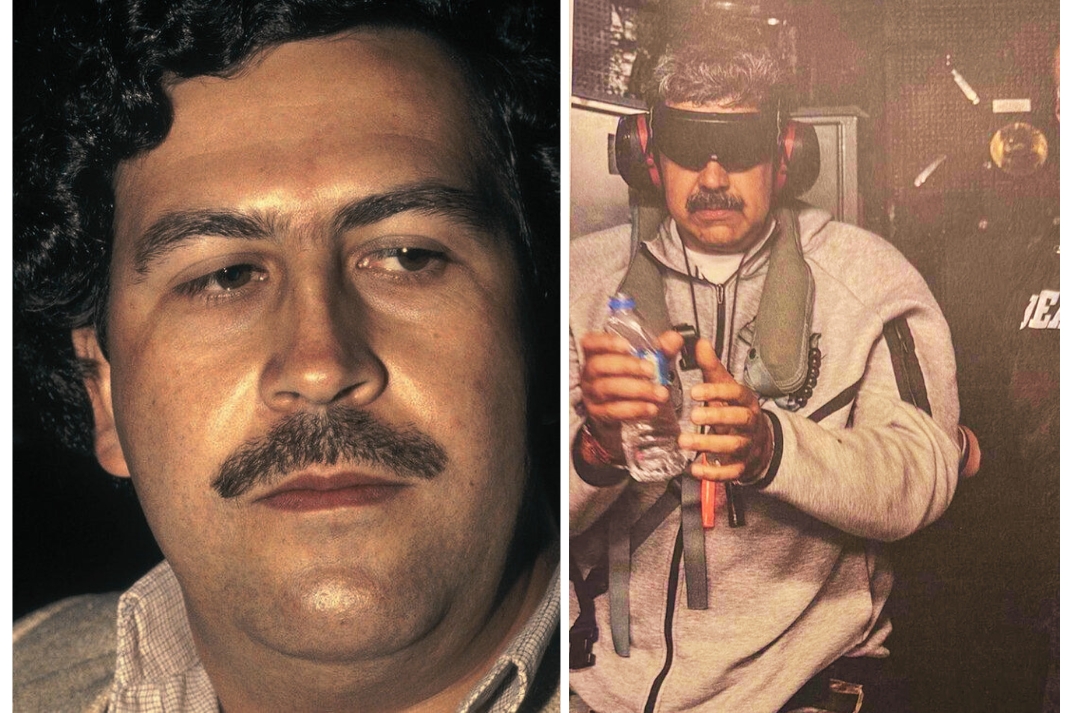
I still remember reading about Pablo Escobar. He was killed on December 2, 1993. The world was different then. Escobar was a drug lord, hunted down after years of violence, terror, and pressure largely driven by the United States. His death was projected as justice. A criminal versus the state. Right or wrong, the logic was clear.
Now jump straight to 2026.
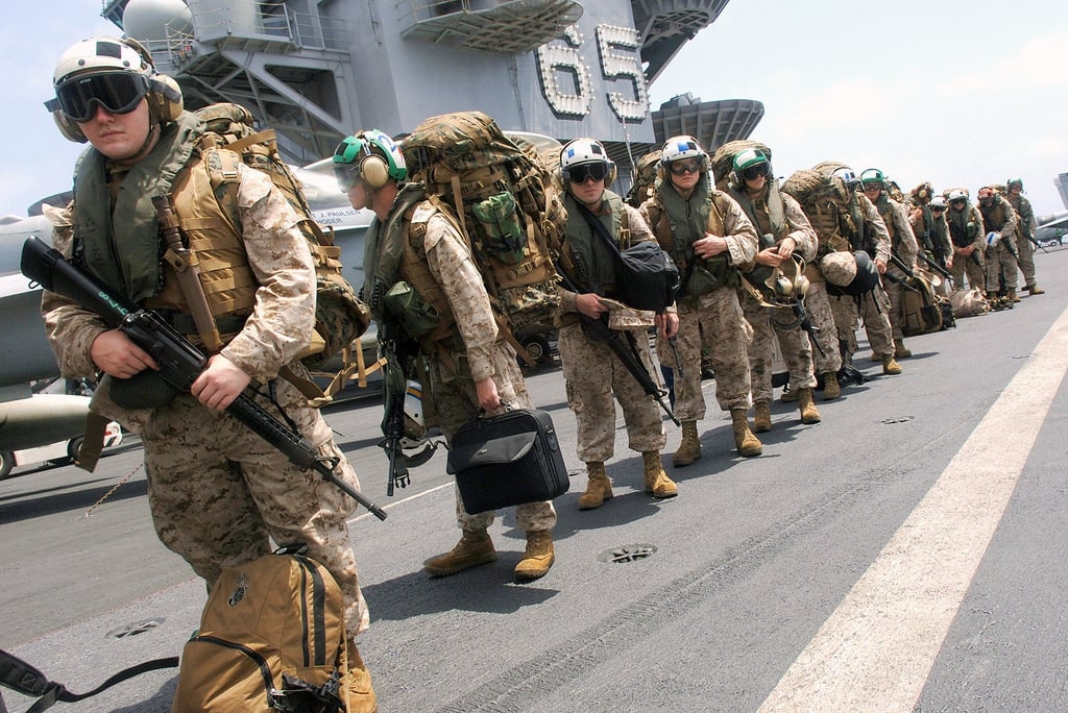
Today, we are not talking about a cartel boss hiding in Medellín. We are talking about a sitting president of a country, Nicolás Maduro, being captured by U.S. forces. A president. A head of state. Not arrested through international courts. Not removed through diplomacy. Simply taken.
This is not normal. And the fact that it is being treated as normal is the real danger.
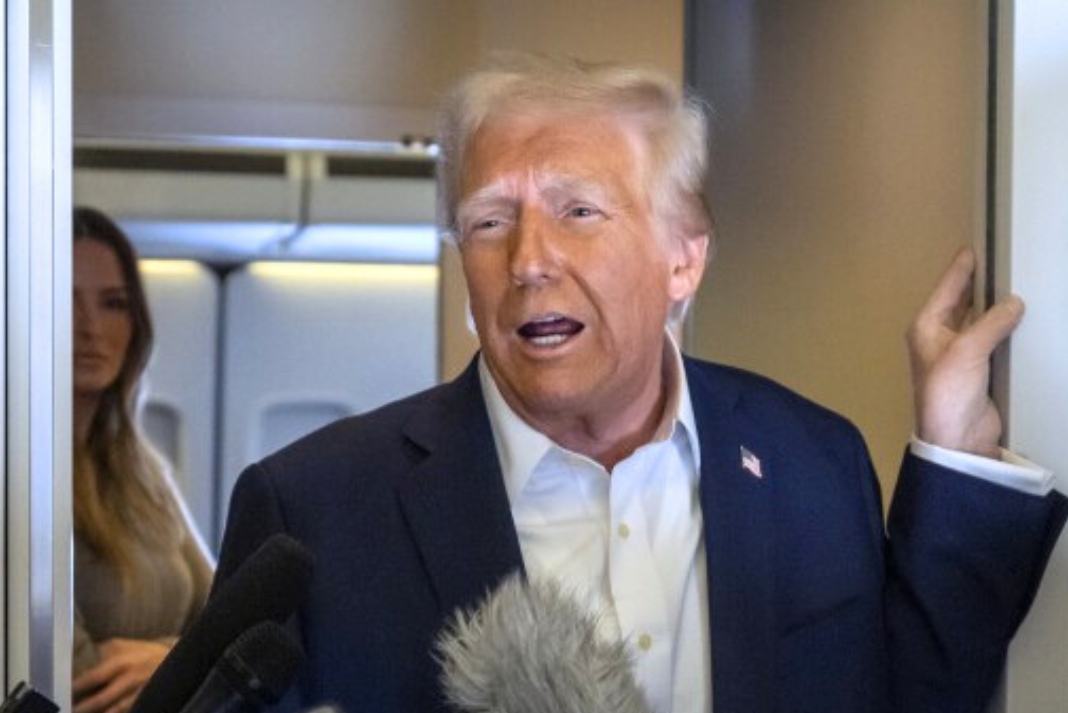
The order reportedly came from Donald Trump, the president of the world’s most powerful country. Whether Trump is liked or disliked does not matter here. The point is simple. One leader ordered the capture of another country’s president, and the world largely watched in silence.
What was the exact reason?
No one seems to know clearly. Or maybe people know, but they are comfortable not asking questions. Narco allegations, security threats, intelligence inputs, democracy protection. These words are thrown around casually. None of this has gone through an open international legal process that the world can examine honestly.
Yet the action happened.
And the reaction was almost nothing.
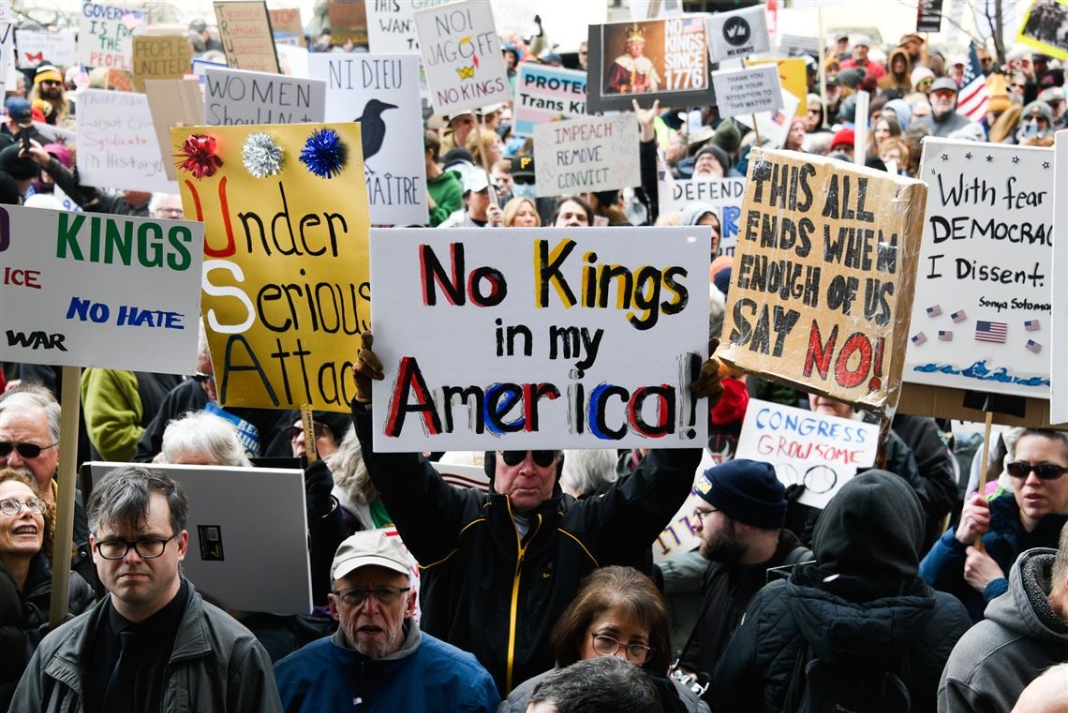
The United Nations spoke carefully. Europe expressed concern. Some countries issued routine statements. Most chose silence. No emergency summits. No united resistance. No serious consequences.
Silence like this does not mean approval. It means fear mixed with convenience.
Now let us talk about India.
Every night on Indian television, prime-time debates shout one phrase again and again. Vishwa Guru. The self-declared moral teacher of the world. Not the world saying it. Indian anchors saying it. Mostly to justify that Narendra Modi is the Vishva Guru, the guide of the entire planet.
But when the world actually faces a moment that tests moral leadership, where is that voice?
A country’s president is captured by another country’s forces. International law is bent, maybe broken. Sovereignty is questioned openly. And India, the so-called Vishva Guru, says nothing. Not one firm sentence. Not one clear position. Absolute silence.
Speeches flow easily during election rallies. Especially when a teleprompter is involved. Global leadership, however, does not come from well-written speeches. It comes from taking a stand when it is uncomfortable.
If India truly sees itself as a global moral force, then moments like this demand clarity. You cannot claim to guide the world and then quietly look away when power openly overrules law.
This is not about defending Maduro. Venezuela’s failures are well known. This is about precedent.
If today Venezuela’s president can be taken away like this, tomorrow it can be anyone. Any country without enough power, allies, or leverage. Sovereignty now seems to depend not on law, but on usefulness.
Back in 1993, Escobar’s death told the world that crime has consequences.
In 2026, this moment tells us something far more disturbing.
That power no longer needs explanation.
That international law is optional for the strong.
And that many self-proclaimed moral leaders are comfortable staying silent.
History will not remember who stayed quiet kindly. It never does.