DRDO Insider Busted for Spying: 17-Year Employee Accused of Leaking Secrets to Pakistan
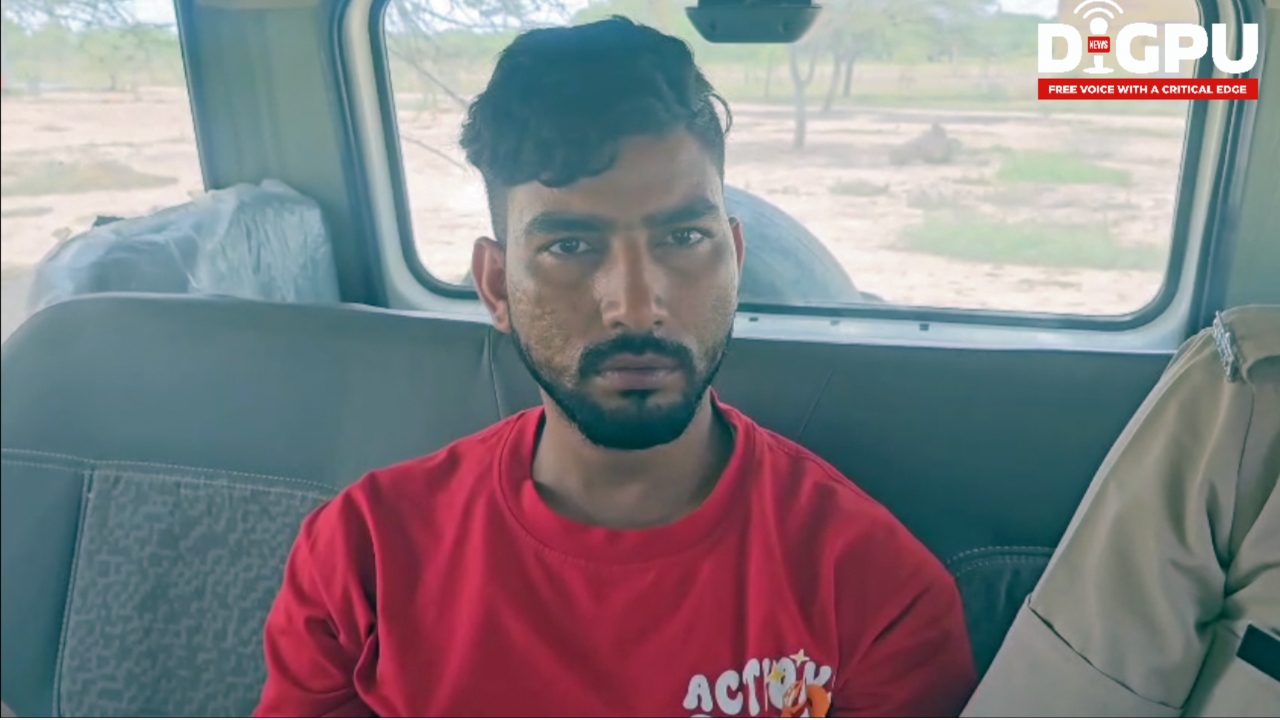
Jaisalmer, Rajasthan – Indian security agencies have arrested a senior employee who worked as a manager at a guest house for the Defence Research and Development Organisation (DRDO) in Jaisalmer, Rajasthan, on serious charges of spying.
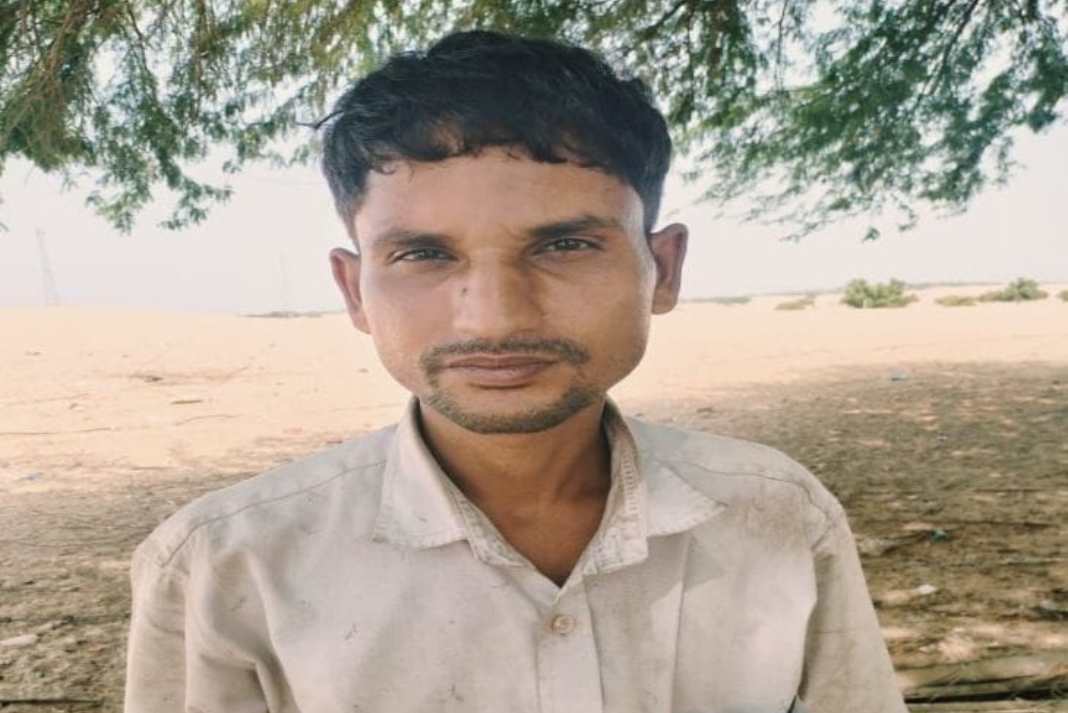
The Indian security establishment has been shocked by this news. The accused, Mahendra Prasad, who used to live in Almora, Uttarakhand, was stationed at the DRDO guest house in Chandan, which is a very sensitive area because it is close to important military testing and deployment areas like the Pokhran Field Firing Range and the Chandan Air Force operations sector.
The Accused and His Role: Getting Inside Access to Sensitive Military Information
Since 2008, Mahendra Prasad had been working at the DRDO guest home. This gave him almost 17 years of access to the movements, names, and schedules of Indian military personnel and defense experts. Scientists working on top-secret defense trials and high-ranking officers doing strategic field evaluations often stay at this guest house. Intelligence authorities think that Mahendra used this access to get secret information and send it to Pakistan.
He is suspected of giving out personal and operational information about visiting officials, patterns of DRDO-related trials, and sensitive maps of the Pokhran area. All of these things are very important for India’s defense readiness and technological superiority.
Chandan: A Sensitive Area Being Watched After Operation Sindoor
After Operation Sindoor, which was a major military operation that apparently involved synchronized air-land operations by Indian forces, security has been stepped up along Rajasthan’s border areas, including Jaisalmer. Intelligence reports had said that ISI-backed surveillance and penetration attempts were on the rise. In this case, security agencies had been keeping a tight eye on the movements of people who were thought to be insiders at important sites. Mahendra Prasad had worked for the company for a long time, but his conduct and communication patterns were questionable, so they started watching him.
Digital Trail Under Investigation
Investigators have found many mobile devices and chat logs that they say prove Mahendra’s ties to Pakistani handlers. There are reports that encrypted messages, deleted chat recoveries, and file transfer history are being looked at. Forensic experts are also looking at the metadata of forwarded files, GPS tags, and the times of communications that match up with DRDO testing schedules.
Early results show that data leaks may have put the Chandan Air Force base, the Pokhran experiment grounds, and guest logs at risk.
Coordinated Action by Military Intelligence, JIC, and IB
Military Intelligence, the Intelligence Bureau (IB), and the Joint Intelligence Committee (JIC) all took part in the detention. Sources said that a full-scale investigation and counter-intelligence analysis is currently going on to find out how big the breach was, including if Mahendra acted alone or as part of a larger network that was part of military infrastructure.
Today, JIC investigators are supposed to formally question Mahendra at a secret interrogation site in Rajasthan. This could have consequences under the Official Secrets Act.
Jaisalmer’s Espionage Infamy Returns: A Repeat of Past Patterns
Jaisalmer has seen spying before. Many people have been arrested in the last ten years for spying for Pakistan, especially in the Ramgarh, Nachna, Tanot, and Pokhran areas. But Mahendra Prasad’s case is different because he had critical access and earned the trust of India’s elite defense framework for more than 15 years.
Alarm and Security Review Across the Country
After this spying scandal came to light, high-level talks are said to be taking place in Delhi’s South Block. There are requests for thorough background checks, vetting, and surveillance audits at all military guest homes and defense facilities run by civilians. DRDO has also asked for an internal investigation into hiring practices and the safety of its digital infrastructure.