Operation Destabilise: The Unmasking of Russia’s Dirty Money Machine
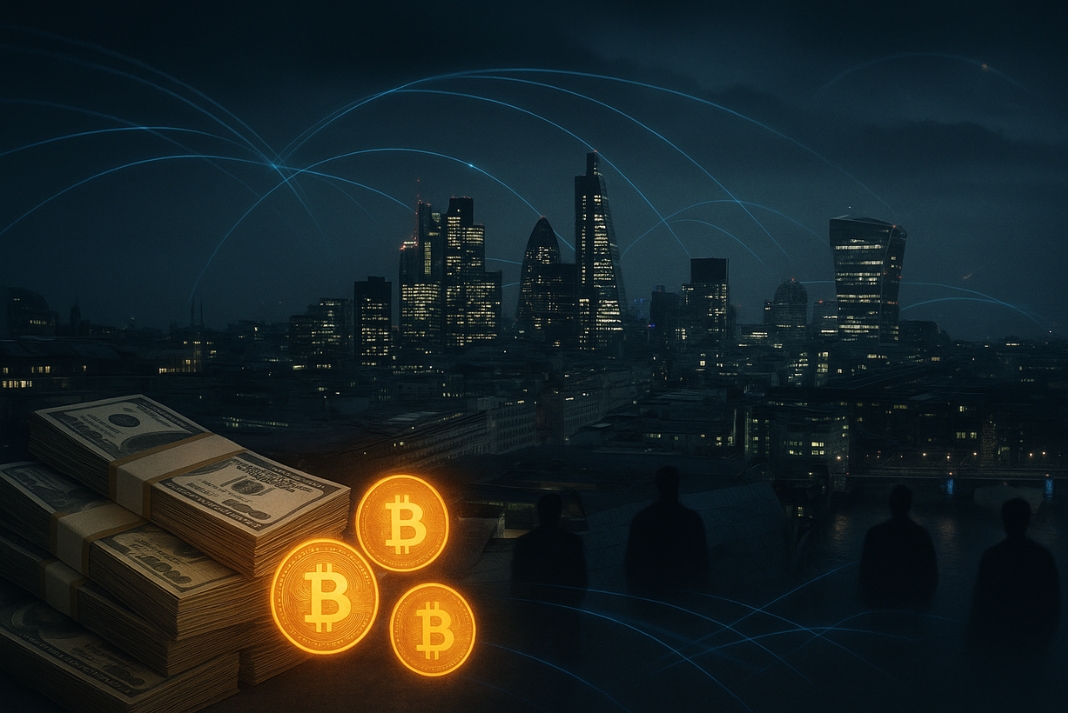
In one of the most significant law enforcement operations of the decade, the UK’s National Crime Agency (NCA) has pulled back the curtain on an international money laundering empire – one that stretched from the backstreets of London to the financial networks of Moscow, and funneled billions for drug cartels, cyber criminals, and Russian oligarchs.
The Web of Dirty Cash
Codenamed Operation Destabilise, this NCA-led crackdown has torn through two intertwined Russian-speaking syndicates – known as Smart and TGR, that served as global financial engines for crime. These networks didn’t just move money. They moved power, violence, and influence across more than 30 countries.
In just over a year, coordinated raids, surveillance, and forensic financial investigations have led to 84 arrests, £20 million in seized assets, and the collapse of a billion-dollar laundering machine hiding in plain sight.
What They Were Doing
Smart and TGR offered a highly profitable “service”: transforming criminal cash into cryptocurrency, and vice versa. Their clients? The who’s who of the underworld — from the Kinahan cartel, to ransomware gangs, to Kremlin-linked figures trying to sidestep international sanctions.
Cash collected on UK streets from drug sales and other illicit activity was quickly swapped for crypto, which could then be reinvested globally. At the same time, sanctioned Russian elites and corrupt financiers used these channels to inject money into Western economies, purchase real estate, and fund espionage operations, all while evading scrutiny.
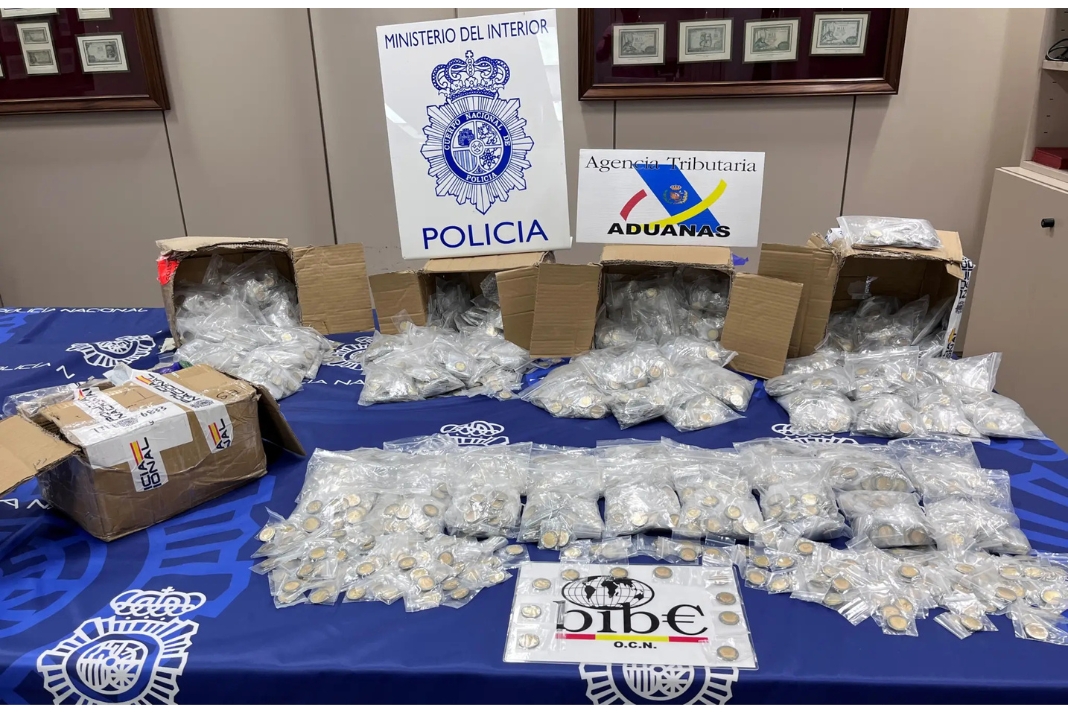
This wasn’t small-time laundering. One network alone made cash pickups in 55 different locations across the UK and the Channel Islands, laundering more than £27 million in less than seven months.
The Architects of Corruption

At the top of Smart was Ekaterina Zhdanova, a central figure linked to laundering ransomware payments for groups like Ryuk, who extorted tens of millions from UK hospitals, schools, and councils. She worked hand-in-hand with Khadzi-Murat Magomedov and Nikita Krasnov, the logistics mastermind coordinating UK courier routes.
TGR was helmed by George Rossi, assisted by Elena Chirkinyan and Andrejs Bradens. All six have now been sanctioned by the U.S. Treasury’s Office of Foreign Assets Control (OFAC).

They operated through businesses like Siam Expert Trading Company Ltd., and funneled funds to entities with direct links to Russia Today (RT), despite sanctions. Some of this cash is suspected to have been used to support media and propaganda activity inside the UK.
Crypto, Cash, and Conflict
The laundering model depended on speed and anonymity. Once the cash hit courier hands in the UK, the crypto equivalent was instantly transferred, often through platforms like Garantex, a sanctioned exchange known to be linked to Russian military procurement.
The digital nature of these transfers made the process hard to trace, until now. The NCA’s breakthrough wasn’t just about catching criminals. It was about exposing the full architecture of modern, state-linked money laundering.
Impact and Blowback
The ripple effects of Operation Destabilise are already showing. Russian-language laundering networks in London have reportedly become hesitant to operate, pushing up their commission rates due to the risk. Some are even pulling out.
The financial blow to these networks is severe. Given they often charge just a 3% fee, the £20 million seized would require laundering £700 million just to break even.
A Turning Point in Financial Warfare
Rob Jones, Director General of Operations at the NCA, put it bluntly: “We have identified and acted against the Russians pulling the strings at the very top… The thread that tied them together – the combined force of Smart and TGR – was invisible until now.”
The operation was delivered with support from international partners including the FBI, DEA, French police, Irish authorities, and agencies in the UAE.
What’s Next
Operation Destabilise has not just disrupted a criminal ecosystem – it’s exposed a geopolitical vulnerability. For years, Russia’s elite and cybercriminals have relied on shadow finance to wage their wars on the streets of the UK, in cyberspace, and on foreign soil.
This time, they’ve been cut off.
And if the message wasn’t clear before, it is now: Britain is not open for dirty business.
Watch video –