E20 Fuel in India: Progress or Predicament?
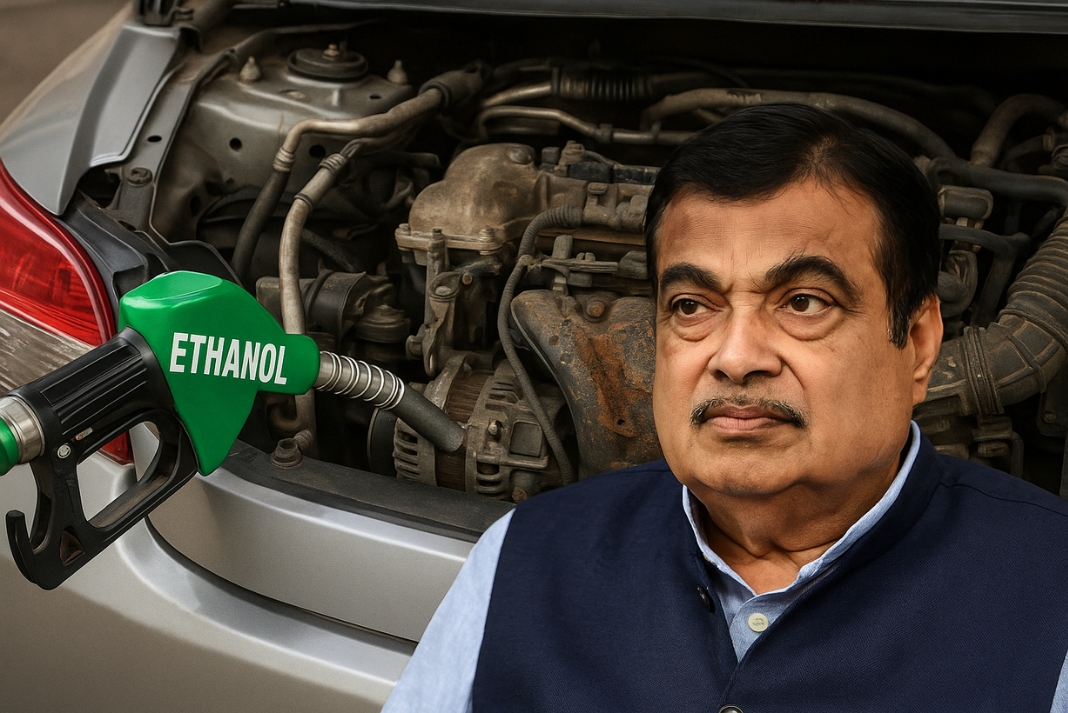
When the Government of India proudly announced that it had achieved its E20 fuel blending target five years ahead of schedule, the move was positioned as a bold step toward energy independence and a greener future. Instead of 2030, the 20% ethanol, 80% petrol blend became standard across fuel pumps nationwide by 2025. On paper, it sounds like progress: lower carbon emissions, reduced oil imports, and support for domestic agriculture. But beyond the PR optics and policy sheets, a very different story is playing out on the ground, one filled with engine failures, rising maintenance costs, warranty loopholes, and public confusion.
The issue isn’t that the E20 policy exists. It’s how it was pushed through: suddenly, without a viable alternative, and without giving the consumer the choice or the time to adjust.
The Technical Catch
To understand the backlash, we need to grasp what ethanol is. Ethanol in India is primarily derived from sugarcane molasses, a hygroscopic substance that absorbs moisture. When mixed into petrol, especially in a 20% ratio, it creates a fuel that behaves very differently from what millions of existing vehicles were designed to run on.
Modern flex-fuel vehicles can handle this blend. But India has tens of millions of two-wheelers and passenger cars built before 2022, vehicles compliant with E10 at most. These machines are now being force-fed E20, and the results are predictable: engine knocks, vapor lock, gasket wear, corrosion of fuel lines, and plummeting fuel efficiency.
Veteran automobile engineer Tutu Dhawan, a man with over six decades of hands-on experience, summed it up bluntly: “Any change that is made or introduced has to be done gradually. Here, you didn’t even get time for a trial.” He’s not exaggerating. Vehicle owners weren’t warned. No nationwide awareness campaign was launched. No mass testing data was made public. One day the fuel changed, and consumers had no choice but to adapt.
Mileage Drops, Costs Climb
The government claims that E20 blending won’t impact fuel economy dramatically. NITI Aayog quietly admitted a 6% drop, but anecdotal reports suggest even higher losses, especially in BS3 and BS4 vehicles. In a country where many middle-class families calculate monthly expenses down to the last liter, this is not a minor issue.
More troubling are reports of increased maintenance bills. Cars that ran smoothly for years are now coughing up costly problems. Fuel injectors corrode, valves wear prematurely, and rubber seals break down. Unlike conventional petrol, E20’s moisture-retaining nature damages internal components when vehicles are left unused, which is common in households with multiple vehicles or rural areas with seasonal usage.
Additives can help, some mechanics recommend petrol stabilizers or even mixing in trace amounts of oil for lubrication. But why should the average Indian driver, who bought a vehicle with the promise of low upkeep, be forced into this chemical juggling act?
No Alternatives, No Compensation
The biggest irony is that despite the government saving on oil imports and ethanol being cheaper than petrol, the price at the pump hasn’t changed. If 20% of your fuel is ethanol, and ethanol is significantly less expensive, shouldn’t that discount be passed on to the consumer?
The public is paying full price for a diluted product, one that not only reduces mileage but also risks damaging their vehicle. No subsidies, no incentives, and certainly no E10 option at the pump. This lack of consumer choice is what turns a green policy into a forced experiment on millions of unsuspecting citizens.
The Brazil Comparison: A Misleading Benchmark
Officials often cite Brazil’s ethanol success story as proof of concept. But the comparison is misleading. Brazil began its ethanol journey in the 1970s. Over decades, it created infrastructure, introduced flex-fuel vehicles, offered fuel choice at pumps, and most importantly, took its citizens along for the ride.
India, in contrast, compressed a decades-long transition into a few short years. The result, ethanol-blended fuel being poured into engines never built to handle it.
Insurance, Warranties, and a Legal Time Bomb
Another brewing crisis is the legal ambiguity around who pays when things go wrong. Many vehicle manuals explicitly state that using fuel beyond the recommended ethanol content voids warranty. Insurance companies, too, don’t cover mechanical wear unless specifically outlined in the policy. If an E20-related failure happens, most consumers are stuck footing the bill.
One insurer recently tweeted they would not cover E20 damage. The petroleum ministry quickly dismissed the claim, but the silence from automakers suggests nervous backroom damage control. The bottom line, until clear, written protections are in place, consumers are on their own.
Conflict of Interest and Political Shadows
Adding fuel to the fire, no pun intended, are allegations of conflict of interest. Prominent political families, including those of key policymakers, are reportedly involved in ethanol production businesses. Companies that were making modest revenues pre-2024 suddenly exploded in valuation and turnover post-E20 mandate.
Critics argue this isn’t policy-making for the nation, it’s business-making for the politically connected. When those writing the rules are also profiting from them, skepticism isn’t paranoia, it’s common sense.
What Should Have Happened (And What Must Happen Now)
The situation isn’t beyond repair. But the fix requires political will and transparency.
Bring back consumer choice: Reintroduce E10 at select pumps and let the consumer decide what’s right for their vehicle.
Conduct independent testing: Agencies like ARAI must publicly release findings on E20’s real-world impact across vehicle categories.
Offer financial relief: Provide ethanol-related subsidies or maintenance grants for owners of older vehicles.
Train technicians: Initiate national upskilling programs for mechanics, especially in semi-urban and rural India.
Fix the communication gap: Launch a large-scale awareness campaign. Let people know what’s in their fuel, how to handle it, and what risks they face.
The Bigger Picture: Green Energy or Greenwashing?
Yes, India must move toward clean energy. But clean energy that damages existing infrastructure and hurts the average citizen isn’t progress, it’s poor planning. Ethanol may be a transitional fuel, but without foresight, it’s turning into a national headache.
Hydrogen may be the future, as experts suggest. But until that future arrives, policymakers must remember that people aren’t statistics. They are voters, workers, parents, and commuters. Fuel is not just a policy, it’s a daily need.
If this transition is truly about the environment and not enrichment, the government must act quickly, honestly, and with humility.