UK Drug Kingpin Thomas Kavanagh Ordered to Repay £1.1 Million or Face 12 More Years in Prison
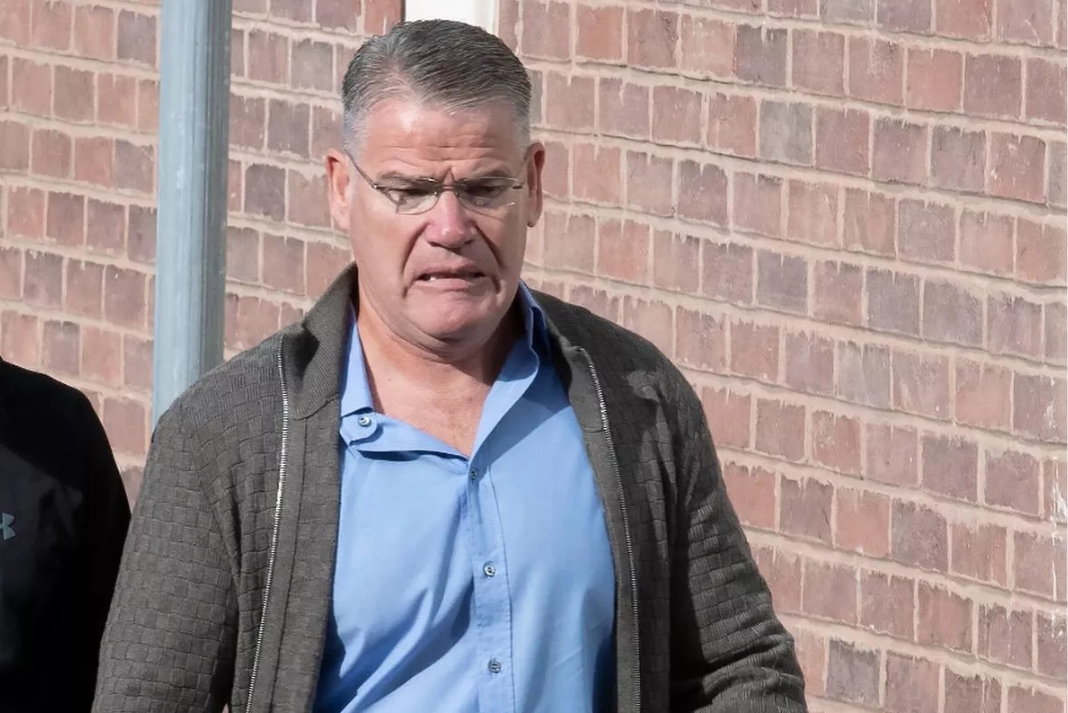
The UK’s fight against organised crime just scored another victory. Thomas Kavanagh, once the commanding figure of the Kinahan cartel’s operations in Britain, has been ordered to repay £1.1 million under the Proceeds of Crime Act—or face another 12 years behind bars.
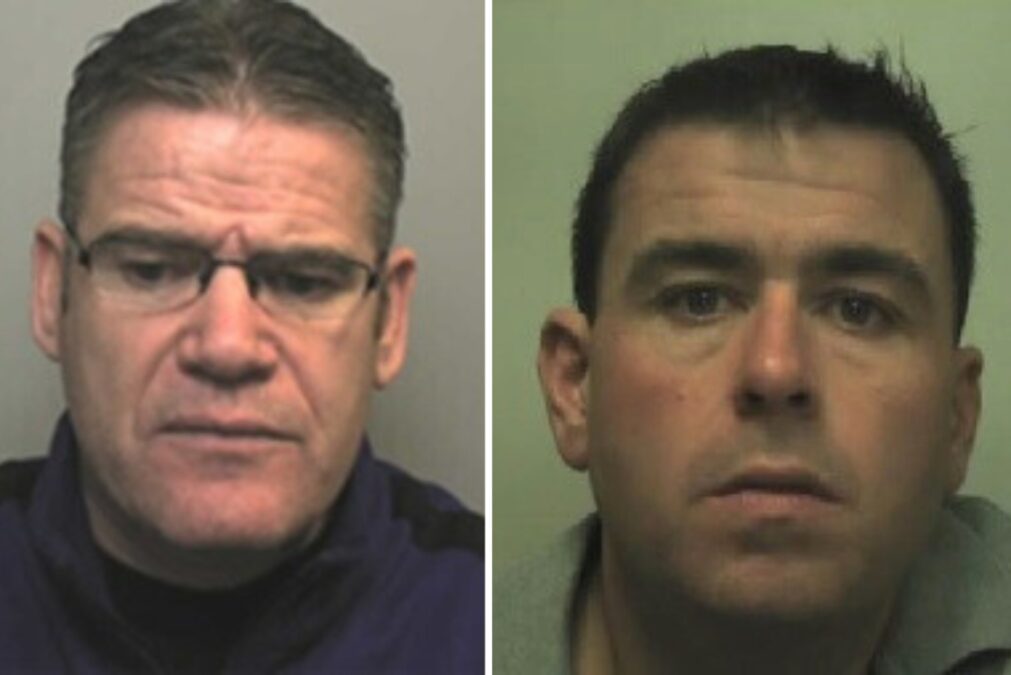
Kavanagh, 57, is already serving a 21-year sentence handed down in 2022 after being found guilty of masterminding the import of £30 million worth of Class A drugs. His criminal resume also includes firearms trafficking and large-scale money laundering. Now, following a meticulous financial investigation by the National Crime Agency (NCA), the court has demanded he return a fraction of the wealth he accumulated from years of criminal activity.
Dirty Money, Clean Assets
NCA officers estimate Kavanagh’s total illicit profits at over £12 million. Yet only £1,123,096.84 in assets were deemed recoverable. This figure includes his share of a heavily fortified family home in Tamworth, Staffordshire; proceeds from property sales in the UK and Spain; and about £150,000 worth of luxury clothing, designer bags, and accessories found in his home during a 2019 raid.
Kavanagh has just three months to comply. If he doesn’t, he’ll serve an additional 12-year prison sentence on top of his current term.
His associate, Gary Vickery, 43, wasn’t spared either. He’s been ordered to repay just over £109,000 or face two more years in prison. Vickery, who played a key role in the gang’s drug operation, was arrested in 2017 after authorities found 15 kilos of cocaine and over 220 kilos of cannabis inside a disguised industrial machine at Dover. The bust exposed the depth of the gang’s operation and confirmed Kavanagh’s leadership role.
The Firearms Ruse
The criminal fallout didn’t end with the initial prison terms. In a desperate attempt to reduce his sentence, Kavanagh orchestrated a plot involving firearms stashed by his associates, Shaun Kent and Liam Byrne. The plan was to reveal the hidden weapons in exchange for leniency. It backfired. All three were convicted for firearms offences and perverting the course of justice. Kavanagh’s sentence was extended by six more years.
Law Enforcement’s Message: No One Is Untouchable
Kay Mellor, Head of Operations at the NCA, made it clear: “Kavanagh and Vickery thought they were above the law. They were wrong. This confiscation order shows that prison isn’t the only consequence—we’ll hit criminals where it hurts: their wallets.”
Adrian Foster, Chief Crown Prosecutor, echoed the sentiment. “This is about stripping criminals of their profits. The £1 million order isn’t just symbolic—it’s a warning. We will pursue every pound they made illegally.”
Since 2020, the Crown Prosecution Service has recovered more than £478 million from confiscation orders, with £95 million of that returned directly to crime victims.
A Hard Fall From the Top
Kavanagh once lived like a king—fortified mansion, overseas properties, luxury goods. Now, he’s serving what could amount to nearly four decades in prison if he fails to comply with the latest court order.
The case is a stark reminder that no criminal empire is beyond the reach of justice. The Kinahan cartel may have built a reputation on fear, but in the UK, law enforcement is proving that no one is untouchable—and crime doesn’t pay, especially when the bill comes due.