When the Referee Joins the Game: India’s Election Commission Has a Credibility Crisis
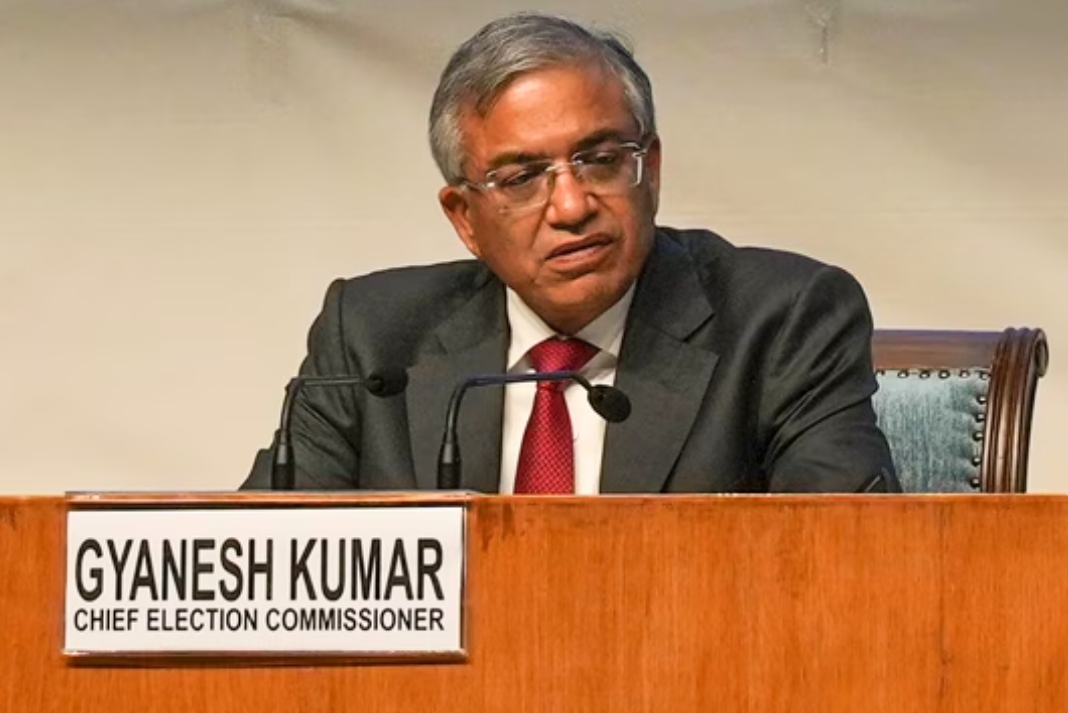
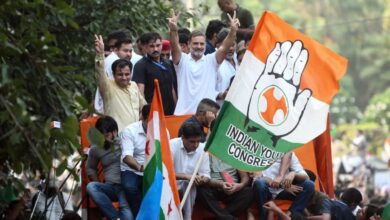
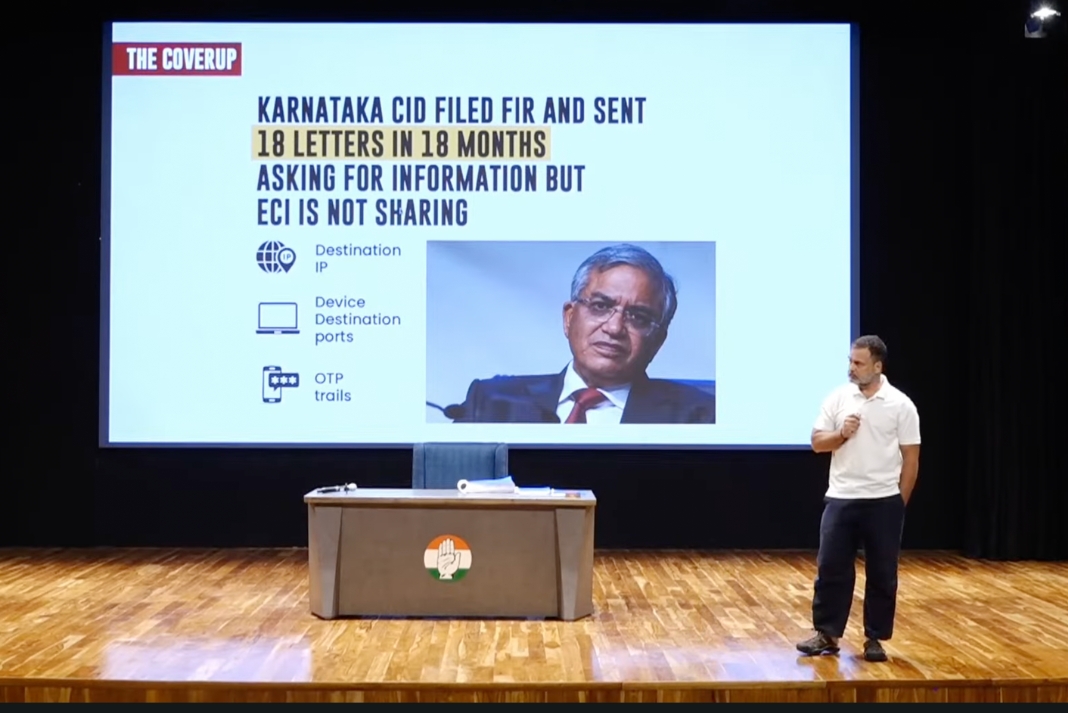
Something strange happened on the national stage this week. While Rahul Gandhi and the INDIA bloc held a public rally in Bihar, waving the tricolor and demanding fair elections, the Chief Election Commissioner of India, Gyanesh Kumar, held an 80-minute press conference in Delhi not to clarify, not to assure, but to accuse.
And he didn’t just push back gently. He went full throttle.
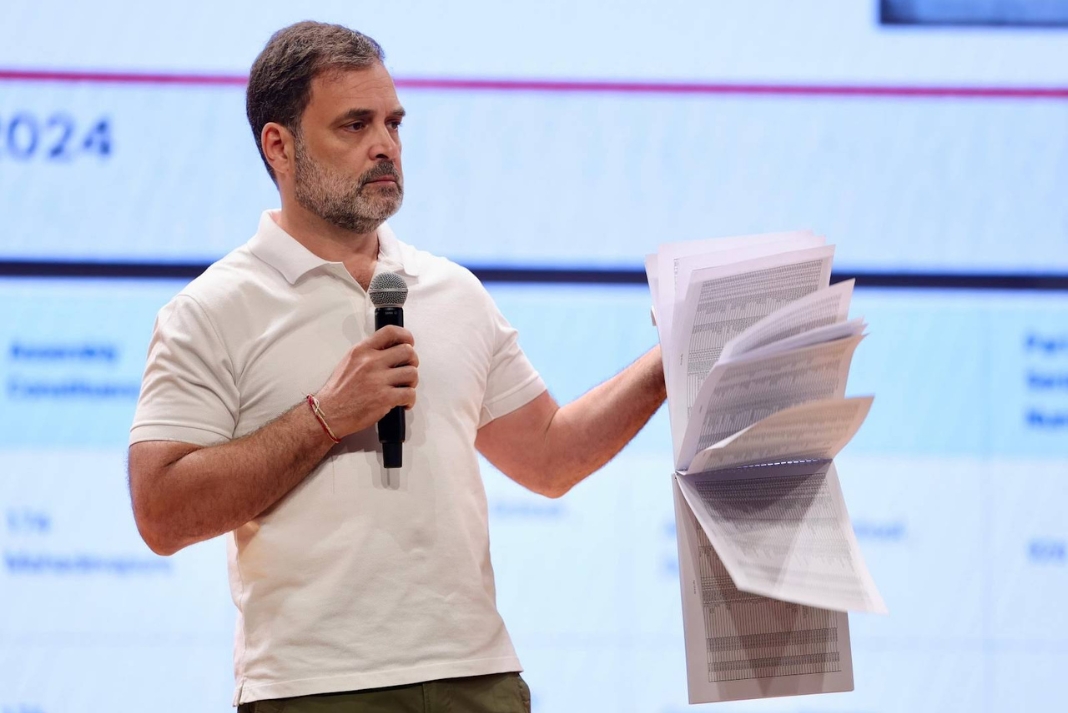
He demanded that Rahul Gandhi either submit an affidavit backing his claims of voter roll manipulation or apologize to the nation. The tone was not that of a neutral referee. It was the voice of a man defending an institution with personal urgency, even emotion. “The Commission stands like a rock with every voter,” he declared, as if patriotism alone could mask the procedural rot critics have laid bare.
But rhetoric isn’t a substitute for accountability. In fact, it’s often a distraction from it.
The Missing Voters and the Missing Answers
Bihar’s Special Intensive Revision (SIR) process, which the Election Commission insists was “flawless,” is at the center of this storm. According to Gyanesh Kumar, Booth Level Officers (BLOs) visited nearly 8 crore voters in Bihar. Every one of them. Personally. Face-to-face.
Except they didn’t.
Voters across Bihar have said their names vanished from the rolls without notice. BLOs allegedly sat in government offices mass-filling forms, faking signatures, and uploading voter data in bulk. Pictures of this happening are public. And yet the Election Commission wants the country to believe every house was visited.
If that’s the story, it’s fiction.
A voter in Bihar doesn’t need a press conference to know whether a BLO visited their home. They already know the truth. What they don’t know is why the Election Commission is lying about it.
Silence, Deflection, and “Statue” Commissioners
While the Chief Election Commissioner spoke endlessly, the other two commissioners sat in eerie silence. Not once did they intervene. Not once did they answer. They resembled props more than public servants watching, nodding, and avoiding.
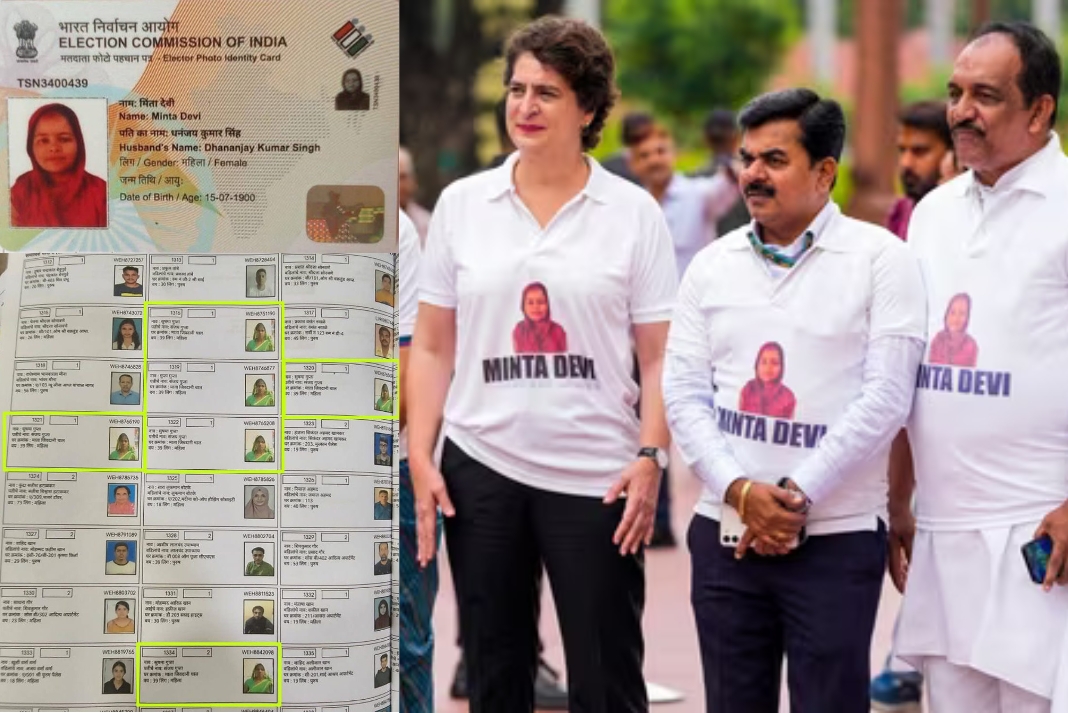
Journalists didn’t go easy. They asked why the revision was timed just before elections against the EC’s own rules. They asked why Rahul Gandhi was singled out for making allegations, while BJP leader Anurag Thakur, who’d made similar claims, was spared. They asked about the thousands of voters mysteriously assigned to “House No. 0” or “House No. 27.”
No answers. Just more speeches.
Worse, when asked about missing CCTV footage or suspicious additions to Maharashtra’s voter rolls, the CEC countered with emotional diversion: “Do you want us to release footage of our mothers and daughters to the world?”
This wasn’t just deflection. It was manipulation. And everyone saw it.
A Dangerous Precedent
If this had happened in Bangladesh or Pakistan, we’d call it what it is: a constitutional institution, captured by power, trying to suppress scrutiny with theatrical patriotism and veiled threats. But this is India. At least, it’s supposed to be.
When Yogendra Yadav says he’s never seen such a disgraceful press conference in 40 years of watching the EC, it’s not just a dig. It’s a warning.
The Election Commission is no longer being questioned for minor lapses. It’s being accused of enabling systemic voter fraud and of aiding, whether by design or negligence, in the distortion of democracy. And rather than offer transparency, it lashes out.
Bihar’s Voters Are Not Fools
The last line of defense for any democracy is public trust. And in Bihar, that trust is crumbling fast.
Rahul Gandhi’s “Vote Adhikar Yatra” didn’t just highlight missing names and ghost voters. It reminded people that their vote is not a gift; it’s a right. That right is being violated.
Tejashwi Yadav exposed cases where living voters were listed as dead. Lalu Yadav went further, accusing the EC of acting like a political body under Prime Minister Modi’s thumb.
These are serious charges. And yet, instead of addressing them with facts, the Election Commission chose drama over data.
The Real Threat Isn’t Rahul Gandhi; It’s Institutional Collapse
Let’s be clear: Rahul Gandhi can handle being asked for an affidavit. He has lawyers. He has a platform. But what about the ordinary voter in Bihar’s Aara or Gaya or Chapra districts, who showed up to vote and found their name missing?
Who will demand an affidavit on their behalf?
The Election Commission, once revered for its impartiality, has begun to resemble an extension of the ruling party. When it scolds critics and ignores legitimate questions, when it shields itself with patriotic speeches instead of presenting records and numbers, it stops being a neutral umpire.
It becomes a player. And not a fair one.
Democracy Can’t Run on Press Conferences
Institutions don’t survive on slogans. They survive on trust, transparency, and the ability to admit when something’s gone wrong.
The Election Commission had a chance to restore confidence. Instead, it chose to threaten, dramatize, and double down on a story that voters themselves are disproving.
The message from the ground is loud and clear: We’re not buying it.
This is Bihar, after all, where people rub lime and khaini together but know exactly who’s trying to pull a fast one.