From Colombo to Kathmandu, Is India Next in South Asia’s Crisis Spiral?
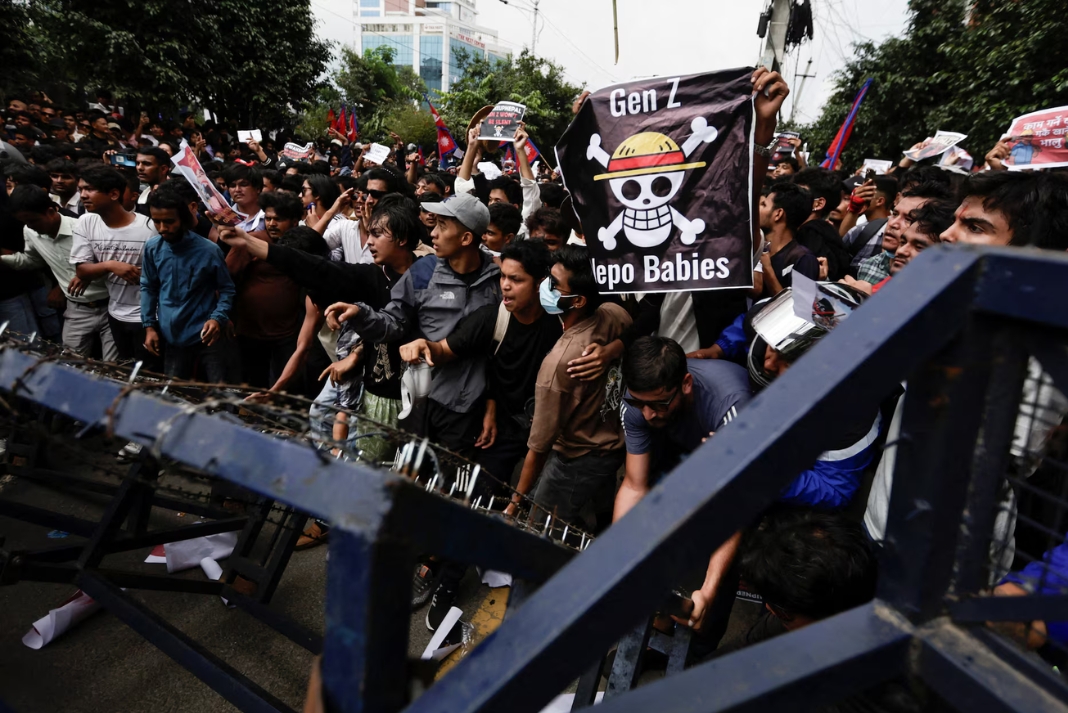
In the last few years, something has been breaking across South Asia. First in Sri Lanka, then in Bangladesh, and now in Nepal. It’s not just economies collapsing, it’s people being crushed under the weight of failures they didn’t create.
Lines outside gas stations. Empty kitchens. Parents skipping meals so their children can eat. Students studying by candlelight. Young people marching, not for slogans, but for survival.
It’s not just politics anymore. It’s personal. It’s painful. And it might be India next.
Sri Lanka, When a Nation Runs Out of Basics and Trust
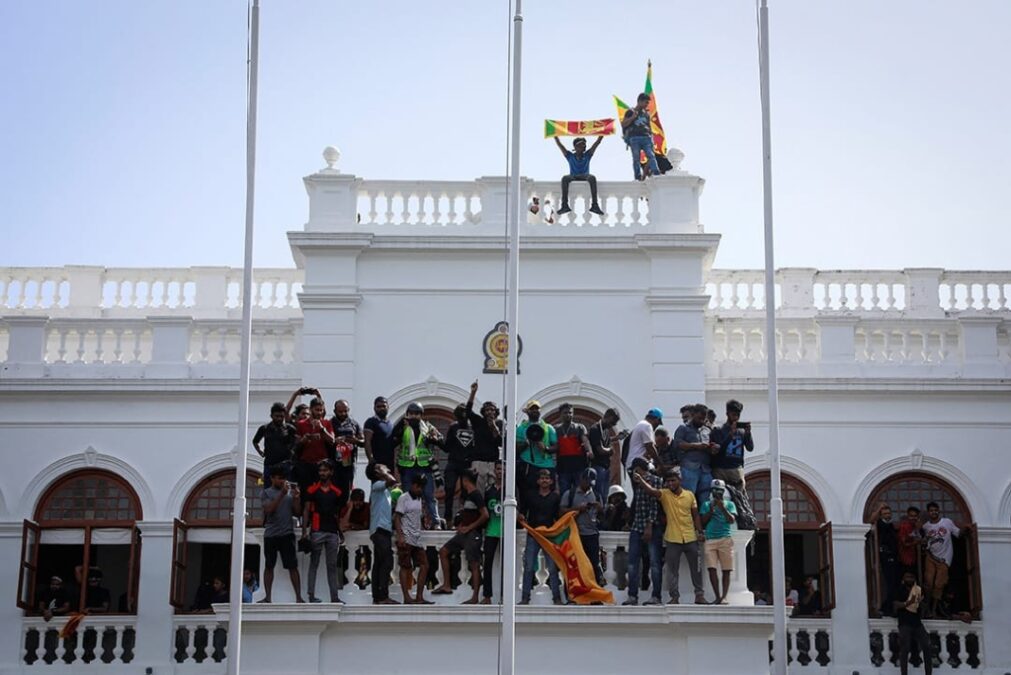
In 2022, Sri Lanka ran out of fuel. Then medicine. Then food. But long before that, it ran out of trust.
The government told people everything was under control, but the people knew better. Hospitals had no supplies. Mothers waited for milk powder that never came. Farmers couldn’t get fertilizer. Power cuts stretched for hours. Daily life became an emergency.
What broke Sri Lanka wasn’t just mismanagement. It was greed, pride, and silence. The elite lived in luxury while the poor rationed rice. The same leaders who stirred up Sinhala-Buddhist nationalism to win votes were nowhere to be found when families couldn’t feed their children.
In the end, the people marched to the gates of power. Teachers, taxi drivers, grandmothers, students, all demanding dignity. It was more than protest. It was heartbreak turned into resistance.
Bangladesh, Booming Cities and Broken Lives
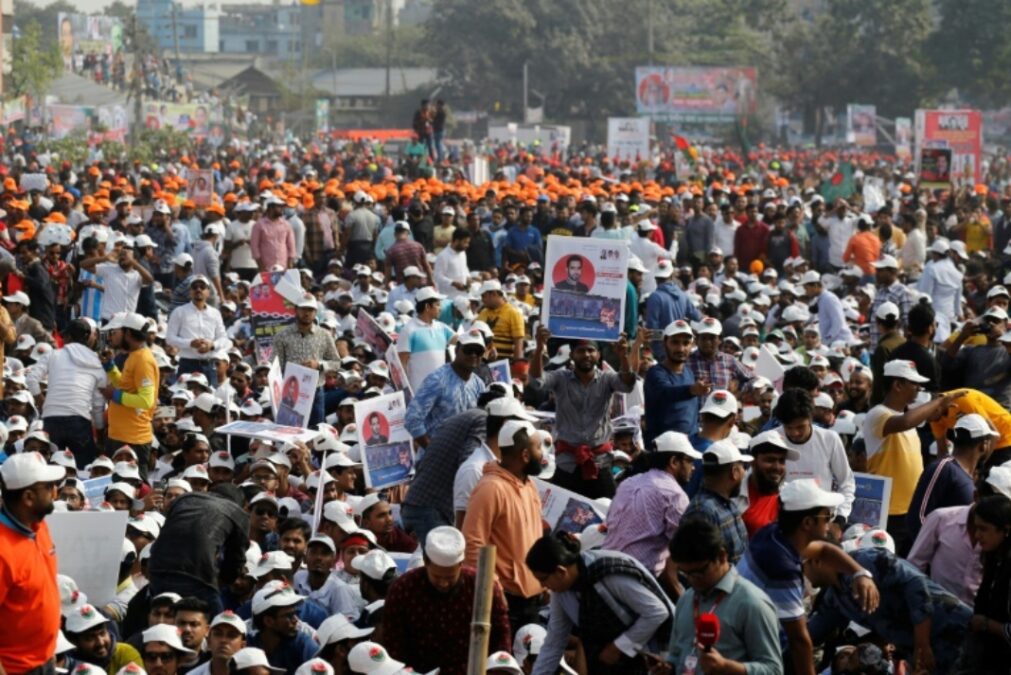
Bangladesh grew fast. Cities like Dhaka filled with towers, malls, and traffic. But outside those glass windows, millions were struggling.
Inflation hit the poor hardest. A day’s wage could no longer cover a day’s needs. Power cuts returned, and with them, the memory of hardship the country thought it had outgrown.
The youth, once full of dreams, now see exams canceled, jobs disappearing, and protests punished. Entire families depend on one paycheck. One illness can mean disaster. And those who speak out are labeled enemies of the state.
Beneath the surface, people are not just angry. They’re tired. Tired of being ignored. Tired of promises that never arrive. Tired of being told everything is fine when their reality says otherwise.
Nepal, A Beautiful Land Drained of Its Future
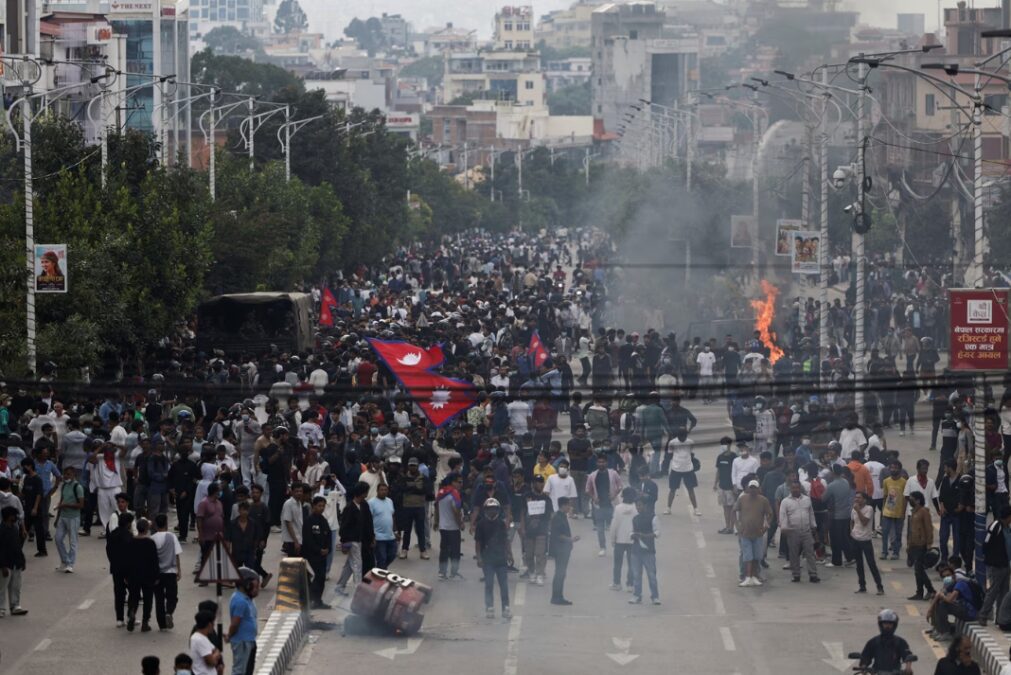
Nepal’s mountains still stand tall, but its young people are leaving.
Why? Because hope is fading.
Prices are rising. Jobs are scarce. Politicians play musical chairs with power while ordinary people are left to beg for basics. Corruption is so common it’s expected. People joke about it, but it’s not funny when your sick father can’t get hospital care without a bribe.
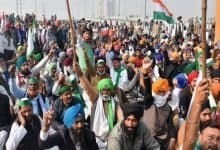
Recently, thousands took to the streets. Not because they wanted revolution, just fairness. Just someone to listen.
One young man held a sign that said, “Don’t make us choose between leaving and starving.” That’s where things are now.
India, Still Standing but For How Long?
India is not Sri Lanka. Not Bangladesh. Not Nepal. It’s bigger, stronger, more resilient. But pain has no borders, and the warning signs are already here. In the streets, in the silence, in the broken dreams.
Students and the Paper Leak Epidemic
Imagine preparing for years, sacrificing sleep, meals, social life, to take a government exam. And then, days before, the paper leaks. Again.
It’s happening so often now it feels routine. But it’s not just about exams. It’s about betrayal. A whole generation is being told that hard work means nothing if you don’t have money, influence, or connections.
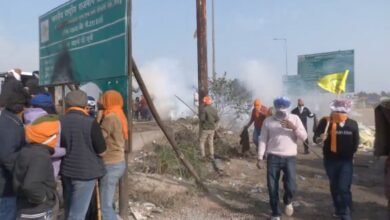
And when they protest? Police lathis, water cannons, jail cells.
Families vs. Inflation
Walk into any home, urban or rural, and you’ll hear the same math.
- “We used to buy a full cylinder, now we stretch it for weeks.”
- “We skip fruit, we skip milk, we skip meat.”
- “We haven’t taken a bus to the city in months, it’s too expensive.”
The bills keep rising. Salaries don’t. Subsidies shrink. Children drop out of school because the parents can’t afford books. These aren’t statistics. These are people’s lives cracking at the seams.
Religion as a Weapon, Not a Comfort
Religion is supposed to be a source of peace. But today, it’s being turned into a tool to divide, humiliate, and distract.
Muslim families live in fear, of mobs, of bulldozers, of silence from neighbors who used to be friends. Hate speech is everywhere, online, on TV, even in Parliament. And it’s not just Muslims. Dalits, Christians, dissenters, anyone who doesn’t fit the mold feels the pressure.
This isn’t just politics. This is trauma, slow, deep, and devastating.
Where Are the Institutions Meant to Protect Us?
When was the last time you heard of a politician resigning out of shame? When did a corrupt officer get punished? When did the judiciary stand firmly with the powerless?
Police beat up students and farmers. Courts delay justice. The media blames victims and runs hashtags, not truth.
It feels like there’s no one left to turn to.
So, Is India Next?
Not in the exact same way. But that’s not the point.
Collapse doesn’t always come with a bang. Sometimes, it’s a slow loss of faith. In the system, in each other, in the future.
- When youth give up
- When mothers hide hunger behind a smile
- When silence becomes safer than truth
That’s when a society starts to break.
India is not there yet. But it’s close enough to see the edge.
Final Words, Not a Warning, a Plea
This isn’t about fear. It’s about care. About remembering what’s at stake, not just GDP, but lives. Not just votes, but dignity.
The stories of Sri Lanka, Bangladesh, and Nepal should not make us feel superior. They should make us listen, and act.
South Asia is crying out, not for power, but for justice. Not for slogans, but for bread, books, peace, and fairness.
And if India wants to avoid becoming the next chapter in a book of collapse, it must start by hearing the people, not just the headlines.