Marco Rubio’s Mumbai Visit: Is Mukesh Ambani Blocking Starlink?
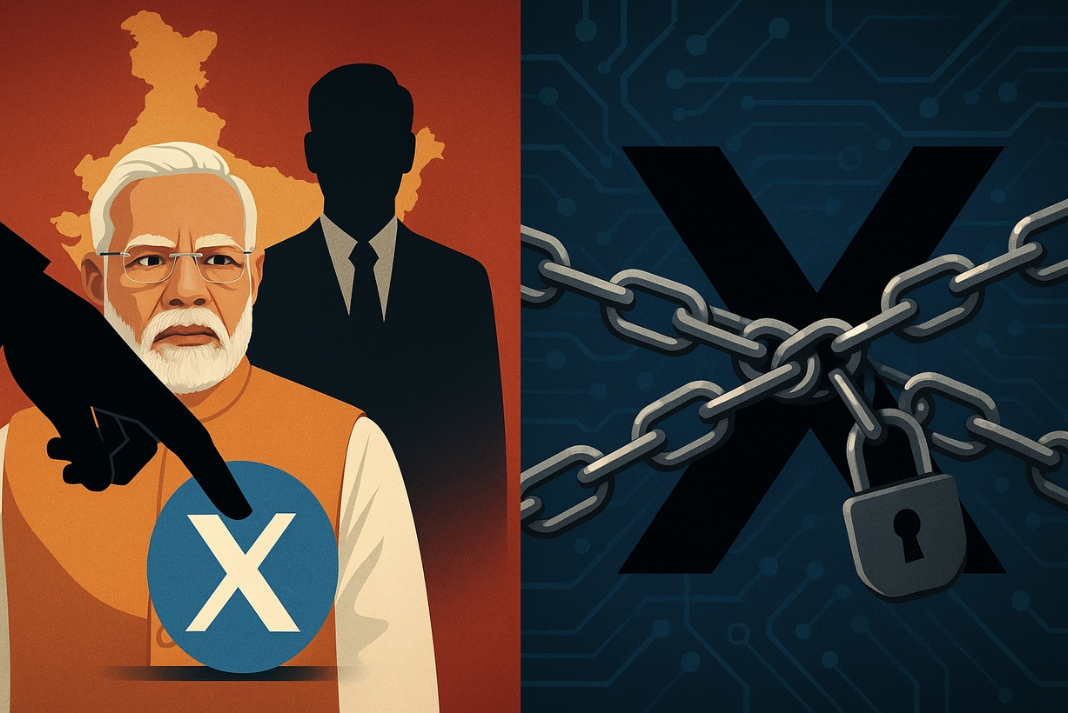
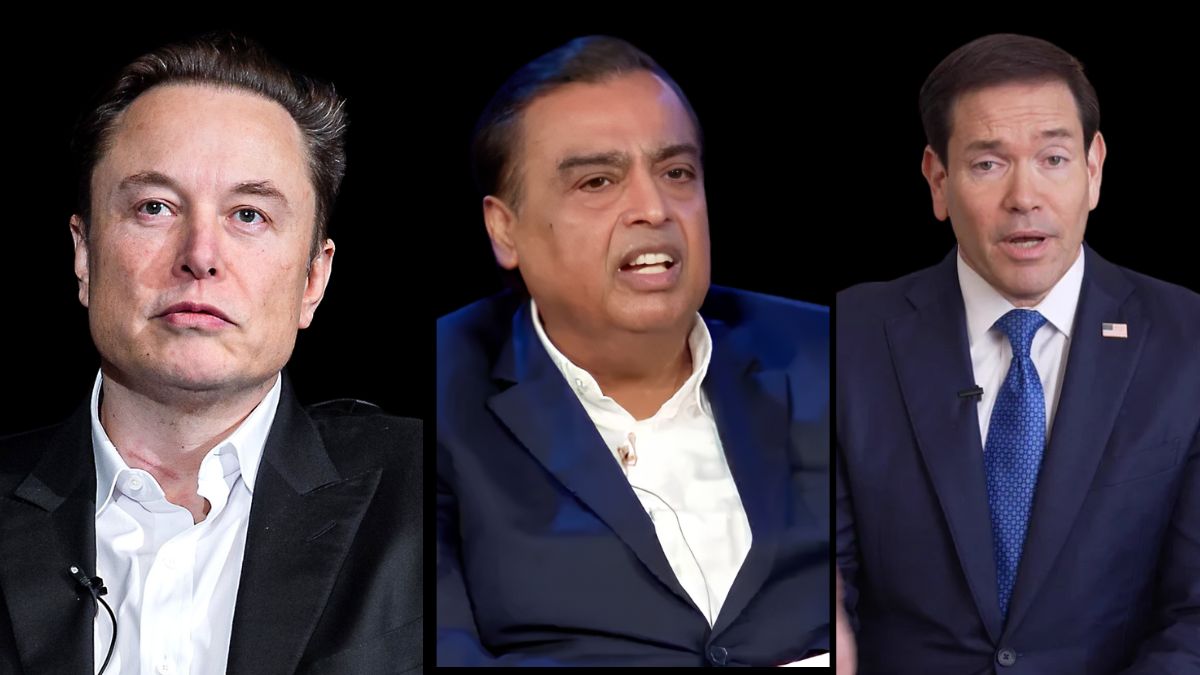
Elon Musk has publicly blamed Mukesh Ambani for holding up Starlink’s final security clearance, while US Secretary of State Marco Rubio is travelling to Mumbai and Jamnagar to meet Ambani and India’s External Affairs Minister. What is really happening in India’s telecom sector?
On 11 March 2025, Bharti Airtel announced a partnership with Starlink for the distribution of its satellite internet equipment through Airtel stores, along with related support services. The following day, on 12 March 2025, Reliance Jio signed a similar agreement. Under the deal, Jio would sell Starlink equipment through its vast retail network and online platforms while also managing after-sales support.
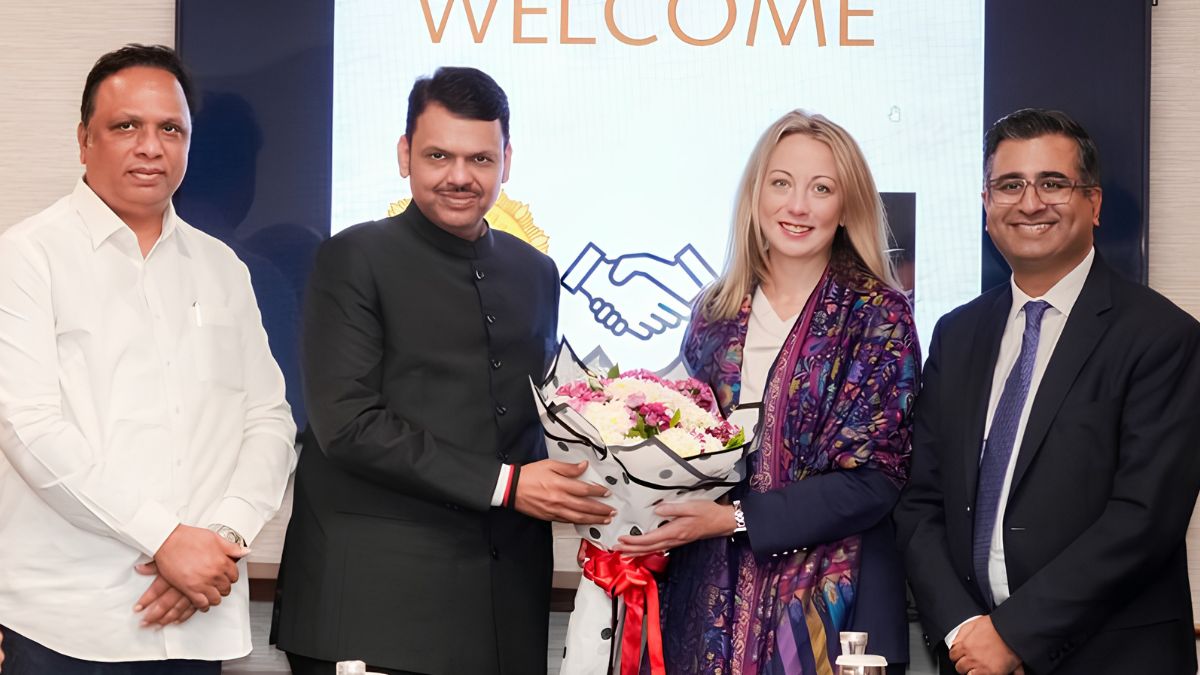
Later in November 2025, Starlink Vice President Lauren Dreyer and Maharashtra’s IT Secretary Virendra Singh signed a Letter of Intent (LoI) in the presence of Chief Minister Devendra Fadnavis. The agreement focused on expanding connectivity in remote and tribal districts such as Gadchiroli, Nandurbar, Washim, and Dharashiv, with priority given to schools, primary health centres, disaster control rooms, forest outposts, and coastal areas.
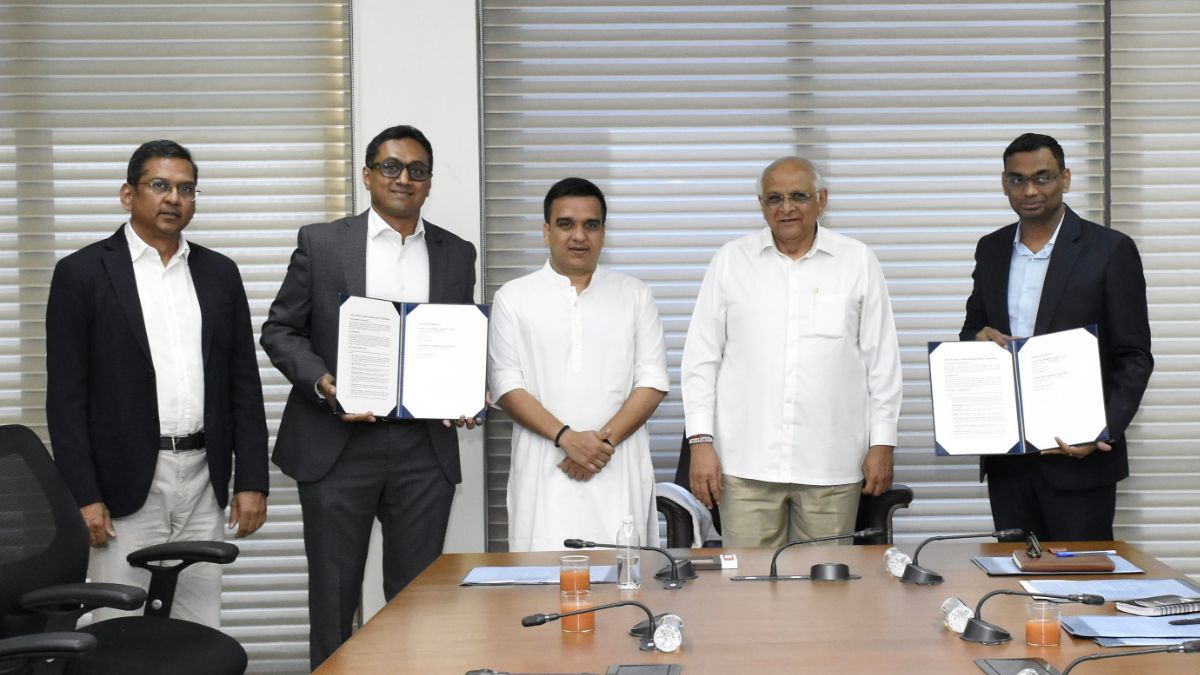
On 9 February 2026, Gujarat’s Industries Commissioner P. Swaroop and Starlink India’s Head, Prabhakar Jayakumar, signed another LoI in the presence of Chief Minister Bhupendra Patel and Deputy Chief Minister Harsh Sanghavi. The agreement aims to bring high-speed satellite internet to remote, border, tribal, and underserved regions, supporting Gujarat’s Digital Connectivity Mission. Chief Minister Patel publicly shared the development on X.
A similar LoI was signed on 1 April 2026 between Meghalaya’s Additional Chief Secretary Dr. Sampath Kumar and SpaceX President & COO Gwynne Shotwell, in the presence of Chief Minister Conrad K. Sangma and Lauren Dreyer.
Until early October 2026, the process appeared to be progressing steadily. That changed on 7 October when Elon Musk posted on X:
“Unfortunately, we are being blocked by certain oligarchs in order to maintain their monopolistic chokehold on the Indian people. You can guess who they are… This is a crime against the people of India!”
The next day, he went further:
“Starlink is licensed in over 165 countries and has spent five years complying with every single law and requirement of the government of India, so why still no license? Is Ambani the real boss of India?”
Musk’s remarks directly pointed at Mukesh Ambani, raising a critical question: what led to this public confrontation?
The Status of Starlink’s Licence
Starlink first applied for a GMPCS (Global Mobile Personal Communication by Satellite) licence in November 2022. The Department of Telecommunications granted the licence in June 2025, and IN-SPACe (Indian National Space Promotion and Authorisation Centre) issued its approval in July 2025. With these clearances in place, Starlink had planned a commercial launch by early January 2026. However, the final security clearance from the Ministry of Home Affairs remains pending.
This raises an important issue. If the remaining clearance rests with the Indian government, why has Musk chosen to single out Mukesh Ambani?
Reports suggest that data localisation and privacy concerns contributed to the delay. In response, Starlink recently reiterated its commitment that Indian user data would remain within the country. The company has already established 20 gateway sites across India with hundreds of antennas.
Marco Rubio’s Sudden Visit to Mumbai
In the days leading up to the US mid-term elections, Marco Rubio is visiting Mumbai to meet Indian Foriegn Minister S jaishanakar on 20th October and next day to Reliance boss Mukesh Ambani in Jamnagar, Gujarat. The timing has drawn attention, particularly given Elon Musk’s substantial political contributions.
Elon Musk donated approximately $156 million to Donald Trump’s political efforts, followed by further contributions taking the total to over $276 million (around ₹2,626 crore) between July and October 2026. Large political donations from business leaders are rarely without strategic intent. This has led to speculation that the donation was linked to efforts to resolve Starlink’s pending approvals in India, and that Rubio’s visit formed part of that outreach.
Why the Delay, and Why the Sudden Urgency?
From Musk’s perspective, the frustration is understandable. Starlink has secured licences far more quickly in other countries. Bangladesh approved the service in April 2025 after only four to five months. Indonesia took roughly 1.5 years, Sri Lanka about 11 months, and Bhutan just two months. In contrast, the Indian process has stretched beyond four years.
India’s market, however, is significantly larger and more complex than those of its neighbours. Regulatory scrutiny is correspondingly higher. At the same time, Musk is aware that political influence in Washington may shift after the mid-term elections. Securing progress before that window closes appears to be a key consideration.
Why Meet Ambani Instead of the Ministry of Home Affairs?
The Ministry of Home Affairs is the authority responsible for the final security clearance. This makes Rubio’s decision to meet Mukesh Ambani, rather than senior officials in the ministry or Home Minister Amit Shah, particularly noteworthy.
Another layer of complexity comes from Reliance Jio’s own satellite ambitions. In February 2022, Jio announced a partnership with Luxembourg-based SES to develop a satellite broadband service. The company is also working on its own Low Earth Orbit (LEO) constellation, with a target launch around September 2027. Given this background, Jio’s decision to partner with Starlink in March 2025 has puzzled many observers. Why would India’s second-largest telecom operator agree to distribute a potential competitor’s service?
Some political analysts suggest the original partnership may have been facilitated through high-level diplomatic channels involving the Indian and US governments. However, the political climate in both countries has since become more uncertain. In the United States, the Republican position ahead of the mid-terms appears fragile. In India, the government is facing sustained domestic criticism. In such an environment, Musk is pushing for rapid clearance, while Ambani may prefer to slow the process until the political picture becomes clearer.
If the US mid-term results strengthen Trump’s position, Starlink’s path in India could become smoother. If not, Indian telecom operators may find greater room to resist or delay the entry of a powerful global competitor.
The coming weeks will be decisive for the future of satellite internet in India and for the balance of power within the country’s telecom industry.