India at a Crossroads: Will Modi and Shah Listen Before It Is Too Late?
When citizens begin questioning the credibility of elections, the independence of institutions and their right to protest, a government faces a challenge far greater than political opposition. It faces a crisis of public confidence.
March 2013: A Warning I Have Never Forgotten
How long will the people of India tolerate a political leadership they increasingly believe has failed to deliver economic security, social harmony and accountable governance?
For millions of ordinary Indians, rising living costs, unemployment, corruption and economic inequality remain serious concerns. Political promises are everywhere, but the everyday struggles of common citizens often tell a different story.
I have been asking myself these questions for more than a decade.
I still remember an evening in March 2013. After finishing my meditation, or samadhi, I walked into the living room and switched on the television. Narendra Modi was speaking on a news channel. At the time, he was emerging as a leading contender for the country’s highest political office.
I sat down and watched him closely. I paid attention to his expressions, his eyes and the way he communicated. Something about that moment unsettled me. I cannot claim that intuition is evidence, but the feeling was strong enough to make me pick up the phone and call one of my brothers-in-law.
I told him something I have never forgotten.
“If Narendra Modi becomes Prime Minister, he will become a dictator.”
My relative disagreed. He served in the armed forces, and I respected his judgment. His response was straightforward: India was too large and diverse a country for one person to establish a dictatorship easily.
He had a point. India is a nation of different religions, languages, cultures, castes and political traditions. Surely, I thought, this diversity and the strength of our democratic institutions would prevent any leader from exercising unchecked power.
More than thirteen years later, I find myself revisiting that conversation.
Was my concern justified? Was my relative right to trust the resilience of Indian democracy? Or did we underestimate how political power could influence public discourse, institutional independence and the relationship between citizens and their government?
These are questions that deserve serious debate. They cannot be answered by intuition alone, but neither should they be dismissed simply because they make those in power uncomfortable.
What Happened to the India We Knew?
By 2020, I felt that something fundamental was changing in Indian society.
Political disagreements appeared increasingly hostile. Religious identities were becoming more politically charged, and social media was filling with messages that seemed designed to divide rather than unite.
I remembered an India where people would rush to help someone who had fallen from a scooter. Strangers would stop their vehicles, offer assistance and ensure that the injured person was safe.
Today, when videos emerge of people filming emergencies instead of helping, it raises an uncomfortable question: what has happened to our collective sense of responsibility?
Of course, compassion has not disappeared from India. Millions continue to help strangers, support vulnerable communities and risk their own safety for others. But the growing visibility of hostility, misinformation and public indifference deserves attention.
Has the constant circulation of inflammatory messages on WhatsApp and other social media platforms contributed to this change? What responsibility should television news channels and political organisations accept for the atmosphere they help create?
I have often wondered whether the political polarisation promoted by sections of the BJP’s online ecosystem, commonly referred to as the BJP IT Cell, and parts of the mainstream media has contributed to growing hostility.
The role of the Rashtriya Swayamsevak Sangh (RSS) and other Hindu organisations in shaping India’s political and social discourse also deserves examination where specific actions and evidence warrant it.
These are political questions, not conclusions that should be accepted without scrutiny. Similarly, there is no credible basis for attributing widespread changes in human behaviour to COVID-19 vaccines without scientific evidence.
Whatever the explanation, one concern remains: a democracy cannot remain healthy if citizens begin to regard one another as enemies because of their religion, caste or political beliefs.
My First Lesson in Politics: The Mandal Commission Protests
My understanding of Indian politics began long before Narendra Modi entered the national spotlight.
I grew up in the 1980s and have travelled extensively across India, visiting villages, towns and major cities. Over the years, I have interacted with people from different economic backgrounds, from those struggling to meet their daily needs to those who have achieved considerable financial success.
One of my earliest political memories dates back to the protests surrounding the implementation of the Mandal Commission recommendations under Prime Minister Vishwanath Pratap Singh, popularly known as V. P. Singh.
I was in primary school when students from upper-caste communities began protesting against the government’s reservation policy.
I remember our school arranging for two Army personnel to accompany our school bus. As the bus entered Janakpuri in Delhi, protesters stopped it. Then someone shouted, “Arey, yeh toh school ke bachche hain, jaane do!” Others joined in, telling the crowd to let us pass.
We were allowed to continue our journey and reached home safely.
At that age, I did not understand the politics behind the protest. I did not know why the demonstrators were on the streets or what they hoped to achieve.
I began to understand the controversy after hearing my parents discuss it at home.
My father, who belonged to the Rajput community, expressed disappointment with V. P. Singh. My mother also reflected on the expectations they had placed in a political leader who shared their community background.
That was one of my earliest encounters with the relationship between caste, political identity and electoral expectations.
For the first time, I began to understand how people could feel betrayed when a government took a decision they believed was against their interests.
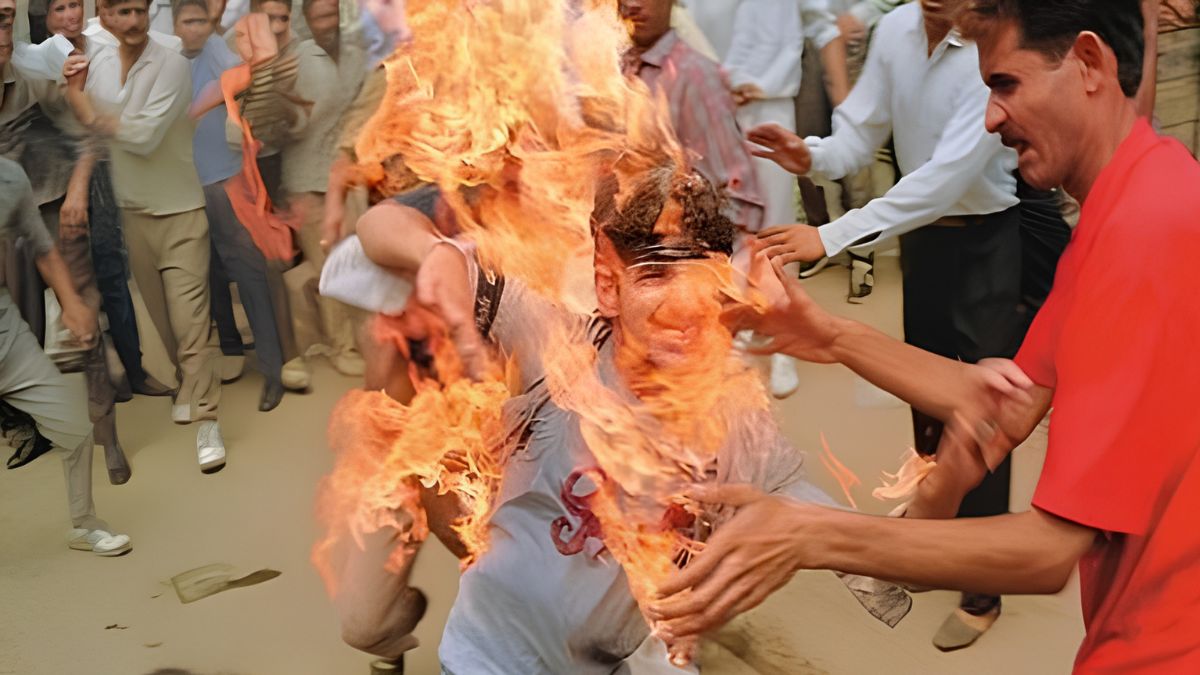
I also remember hearing about Rajiv Goswami, the Delhi University student who set himself on fire in September 1990 during the anti-Mandal protests. His act became one of the most disturbing symbols of the agitation. He survived the incident but died in 2004.
The controversy demonstrated how deeply government decisions could affect young people and divide communities.
V. P. Singh’s government eventually fell in November 1990 after the BJP withdrew its support following the arrest of its leader, L. K. Advani, during the Ram Rath Yatra in Bihar.
For me, this was an early lesson in the power of collective action and the vulnerability of political governments.
2011–2014: The Anti-Corruption Movement and the Rise of Modi
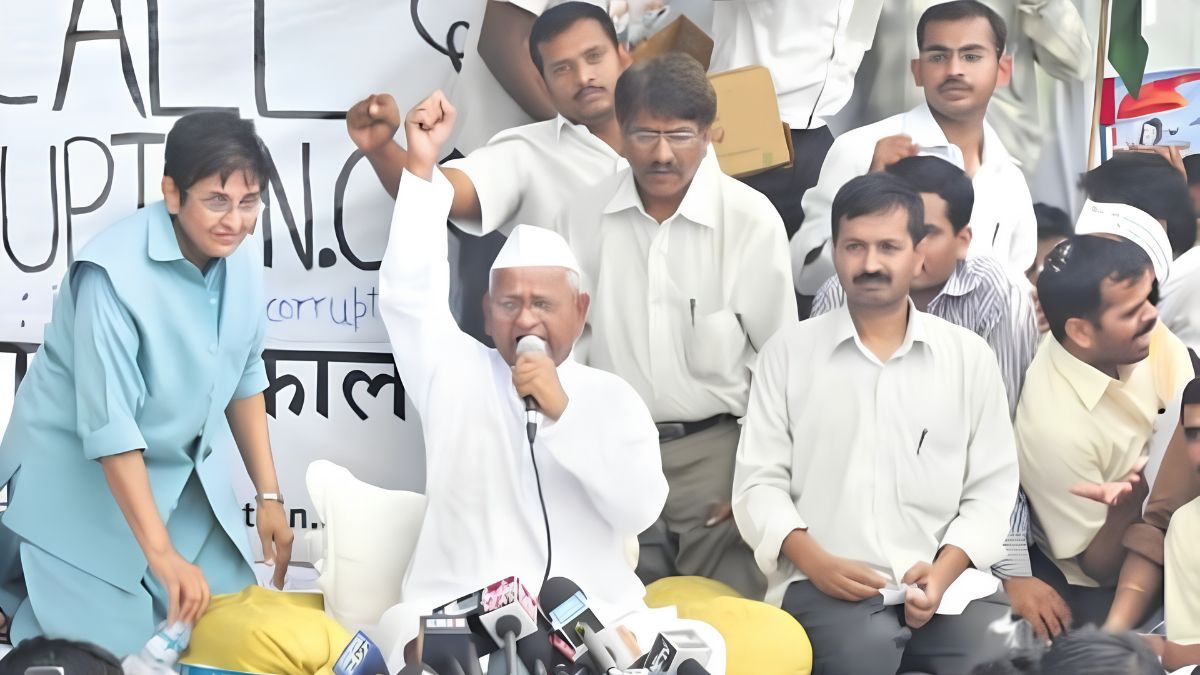
More than two decades later, India witnessed another major political moment: the anti-corruption movement led by Anna Hazare.
The demonstrations, including the large gatherings at Ramlila Maidan in Delhi, captured public frustration with corruption and the political establishment.
Whether the movement was entirely spontaneous, influenced by competing political interests or supported by various groups, its impact on the national conversation was undeniable.
The 2014 general election brought a historic shift. The BJP won 282 seats on its own, while the National Democratic Alliance secured 336 seats. The Congress party was reduced to just 44 seats.
Narendra Modi became Prime Minister.
For millions of Indians, the election represented hope. They wanted stronger governance, better employment opportunities, an end to corruption and an economy that would improve their lives.
The promise was straightforward: a decisive government would deliver development, modern infrastructure and opportunities for ordinary citizens.
But political mandates are not permanent certificates of approval. They are a responsibility that must be evaluated against results.
8 November 2016: Demonetisation Changes the Economic Debate
For the first two years of the Modi government, many supporters remained optimistic about its direction.
Then came 8 November 2016.
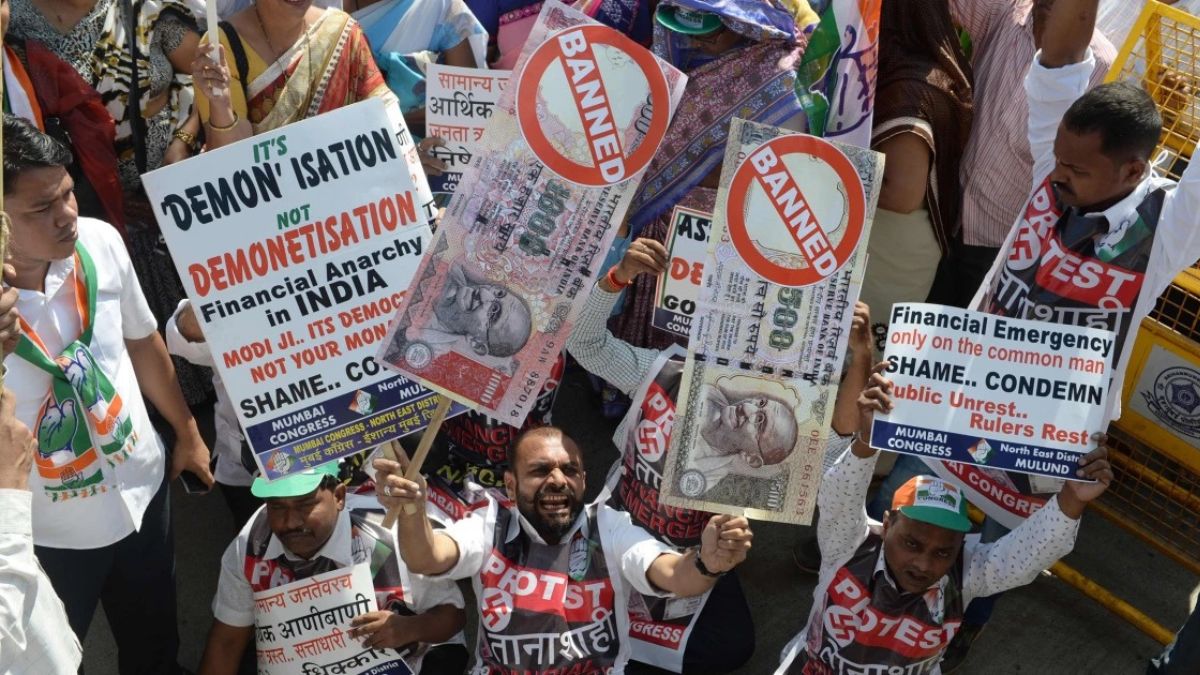
In a surprise announcement, the government withdrew the legal-tender status of existing ₹500 and ₹1,000 banknotes. The stated objectives included tackling black money, counterfeit currency and corruption.
The immediate consequences were deeply disruptive for many people. Long queues formed outside banks and ATMs. Small traders, daily-wage workers and people dependent on cash struggled to access their own money.
The country was still adjusting when another major reform arrived.
On 1 July 2017, the Goods and Services Tax (GST) was introduced. The new tax system was intended to create a unified national market, but its initial implementation involved multiple tax slabs, compliance requirements and procedural challenges that many small businesses found difficult to navigate.
The economic consequences became a major point of political debate.
According to the Periodic Labour Force Survey for 2017–18, India’s unemployment rate reached 6.1 per cent under the usual-status measure, the highest in that survey series dating back to 1972–73.
Research into demonetisation also documented disruptions to economic activity, particularly in cash-dependent sectors. Small traders and manufacturers faced serious cash-flow pressures, affecting their ability to pay wages and suppliers.
The question was not whether the government had the right to introduce economic reforms. It was whether the costs imposed on ordinary citizens were justified by the results.
Every major government decision must be assessed against the same standard: what was promised, what was achieved, who benefited and who paid the price?
Digital India, Make in India and the Question of Corporate Influence
The Modi government has launched several major programmes, including Digital India and Make in India. These initiatives have sought to expand digital infrastructure, encourage domestic manufacturing and strengthen India’s economic competitiveness.
It would be inaccurate to dismiss every initiative as a failure. Digital payments have expanded, infrastructure development has continued and several government programmes have produced measurable results.
But a more fundamental question remains: have the benefits of economic growth been distributed widely enough?
For a small business owner, a farmer, a young graduate or a family struggling with rising expenses, national growth figures matter only when they translate into better opportunities and greater security.
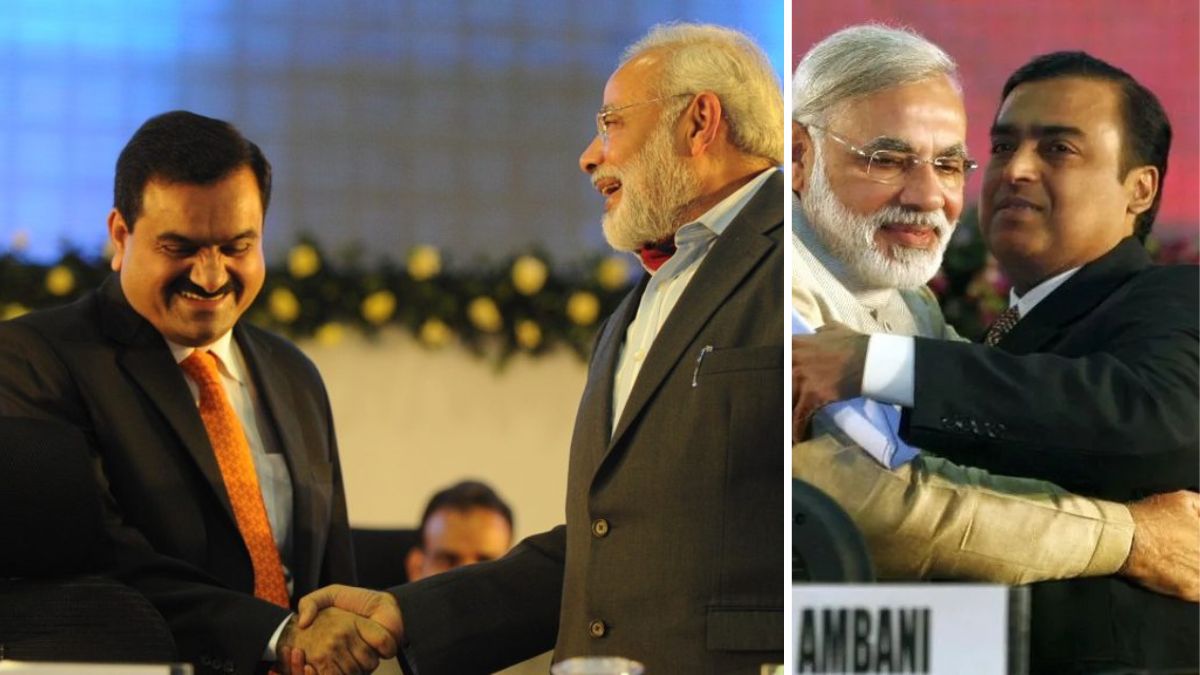
Critics have raised concerns about the concentration of economic power among large corporate groups and the relationship between political influence and business interests.
The growing prominence of industrialists such as Gautam Adani and Mukesh Ambani has become part of this debate.
The issue is not whether successful businesses should grow. They should. Nor is wealth itself evidence of wrongdoing.
The real questions are whether competition remains fair, whether public resources are allocated transparently and whether smaller businesses have a genuine opportunity to compete.
India cannot build an inclusive economy if ordinary entrepreneurs believe that access to political power matters more than innovation, efficiency and hard work.
September 2020–November 2021: The Farmers Force a Reconsideration
In 2020, the government enacted three controversial agricultural laws. Farmers feared that the reforms could weaken existing safeguards, undermine the Minimum Support Price system and leave smallholders vulnerable to large corporate buyers.
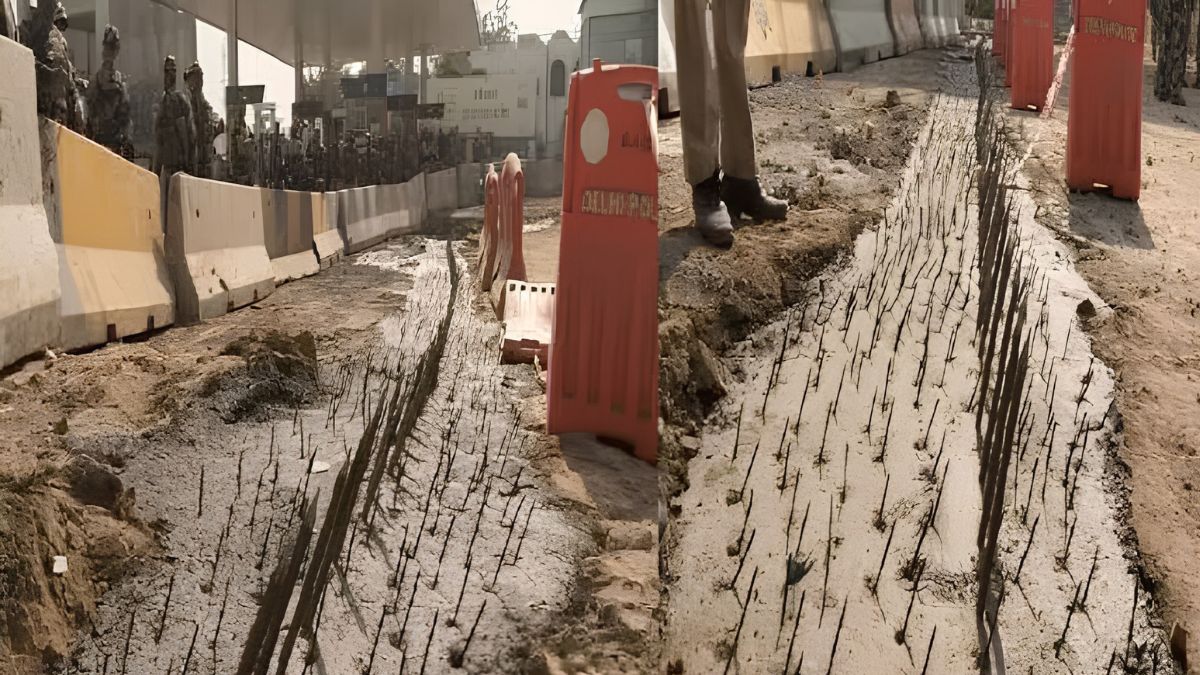
The protests began gathering momentum in September 2020, with major demonstrations involving farmers from Punjab, Haryana and other states.
Thousands travelled towards Delhi, establishing protest sites and continuing their agitation through difficult weather, health challenges and confrontations with authorities.
The movement became a national debate about agricultural reform, government consultation and the future of small farmers.
On 19 November 2021, Prime Minister Narendra Modi announced that the government would repeal the three farm laws. Parliament subsequently passed the repeal legislation.
The episode demonstrated that even a government with a strong parliamentary majority could be compelled to reconsider a major policy when sustained public opposition became politically significant.
The farmers’ movement also raised a question that remains relevant today: why had the government failed to build sufficient trust among those most affected by its reforms?
Consultation should not be treated as an inconvenience. It is an essential part of democratic governance.
Examination Paper Leaks and the Future of India’s Youth
India’s examination system has faced repeated controversies involving alleged paper leaks and recruitment irregularities.
For students who spend years preparing for competitive examinations, a paper leak is not merely an administrative failure. It can destroy years of effort, impose financial pressure on families and undermine confidence in the fairness of the system.
The allegations surrounding examination leaks and recruitment irregularities deserve transparent investigations. Those responsible should face consequences if wrongdoing is established.
The broader responsibility rests with the institutions conducting these examinations. They must protect examination papers, ensure transparent procedures and communicate honestly when irregularities occur.
India’s young people deserve more than promises about becoming a global talent powerhouse. They deserve a system in which hard work has a fair chance of being rewarded.
July 2026: The Cockroach Janta Party Emerges as a Protest Force
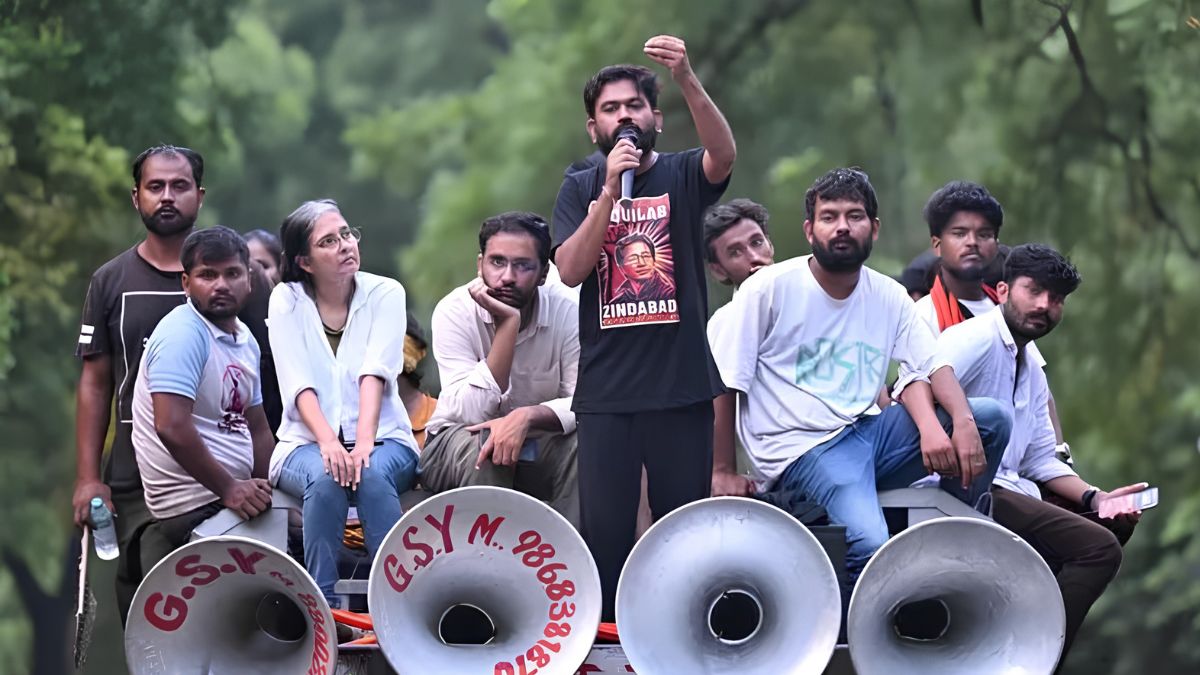
The political narrative took another turn in July 2026, when the Cockroach Janta Party (CJP) became associated with a major protest at Jantar Mantar.
The movement’s name attracted attention, but its significance lay in its ability to bring together people concerned about public accountability, education, employment and government policy.
Reports linked the July protests to the resignation of Union Education Minister Dharmendra Pradhan on 25 July 2026. A resignation following a protest does not, by itself, establish that the protest was its sole cause. Yet the broader political point remains important. When citizens organise around a common demand, they can force public issues into the national conversation.
CJP’s subsequent campaign over electoral transparency would bring the movement into direct confrontation with the Election Commission and the authorities in Delhi.
23 September 2026: The Voter-Deletion Controversy
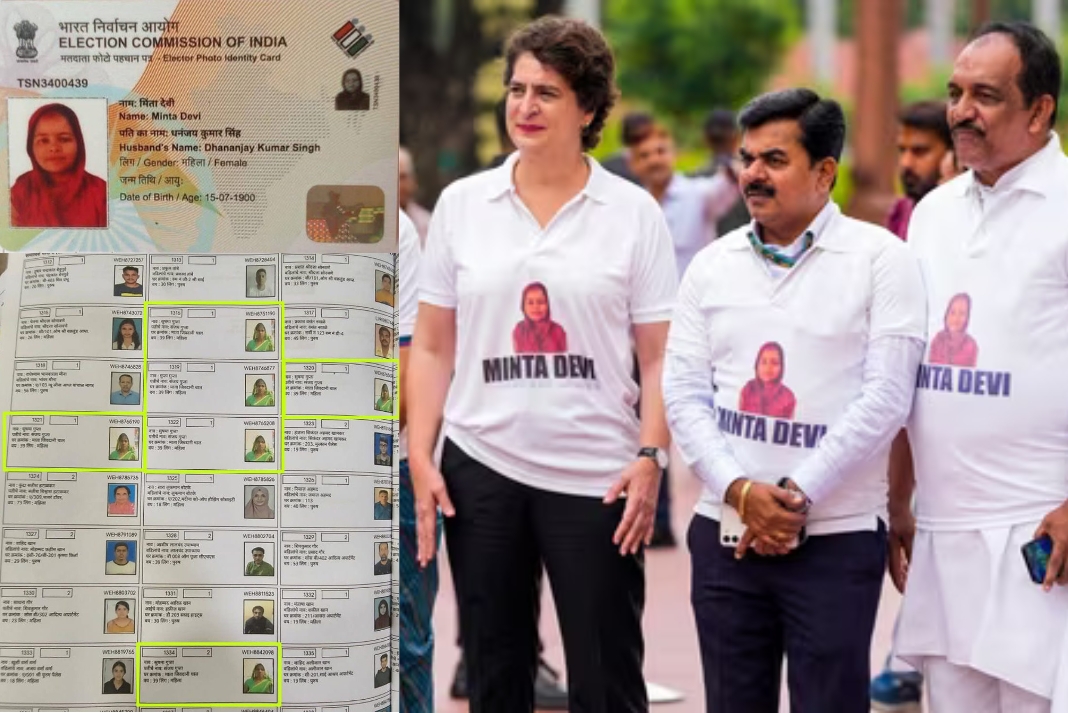
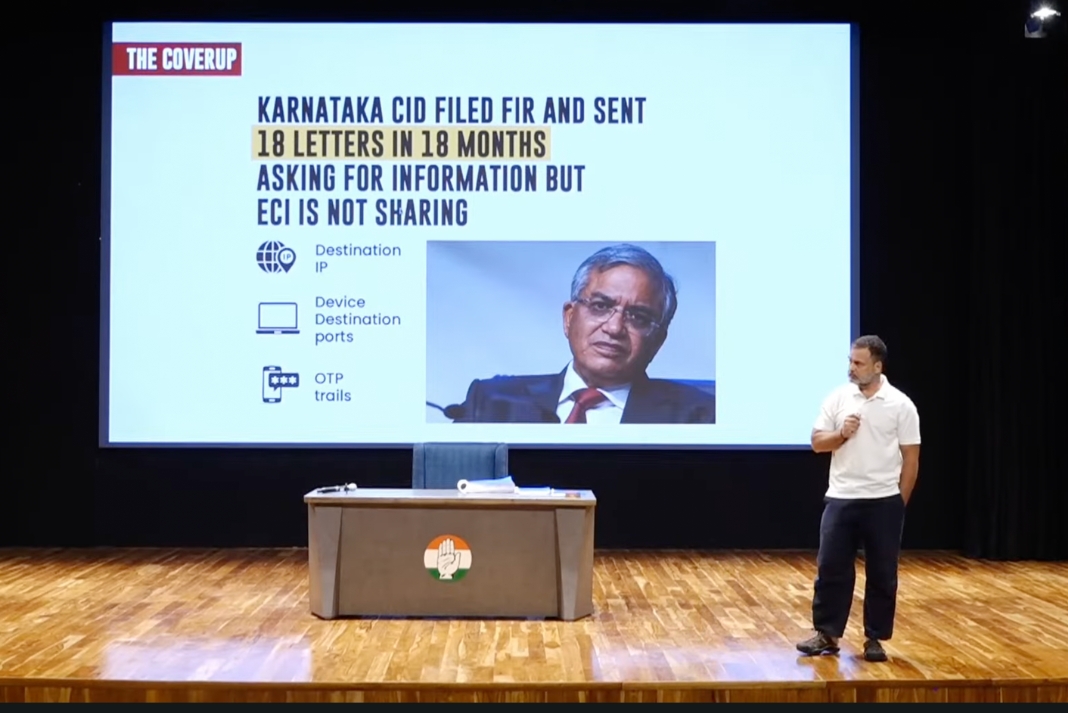
The next major development came on 23 September 2026, when The Indian Express published a prominent investigation into the Special Intensive Revision (SIR) of electoral rolls.
The report raised concerns about the deletion of a very large number of voter names, with figures cited in the political debate reaching approximately 130 million.
This is an extraordinarily serious matter.
The number of names removed from electoral rolls should not automatically be treated as the number of genuine voters unlawfully disenfranchised. Electoral revisions can include deceased voters, duplicate entries, people who have moved and other categories. The critical question is how many eligible voters were wrongly removed, why the removals occurred and whether the process complied with the law.
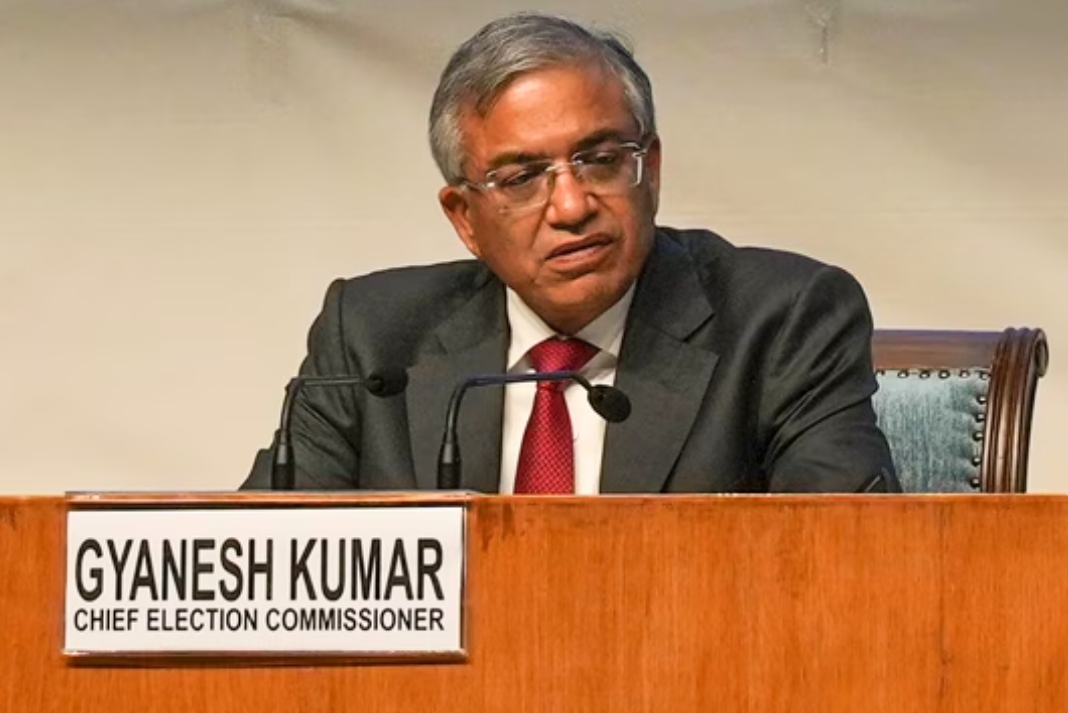
The controversy nevertheless placed Chief Election Commissioner Gyanesh Kumar and the Election Commission of India under intense public scrutiny.
The CJP and opposition parties called for accountability, arguing that electoral transparency was essential to maintaining public confidence in the democratic process.
The Election Commission and the BJP have rejected allegations of political bias, maintaining that the electoral process is governed by established procedures.
The public deserves a clear answer based on records, independent scrutiny and transparent procedures.
If eligible voters have been wrongly excluded, their rights must be restored. If the allegations are inaccurate or exaggerated, that too should be demonstrated with evidence.
The credibility of an election depends not only on the final result but also on whether citizens trust the process through which that result was reached.
5–7 October 2026: CJP Warns of a Crackdown
In the days leading up to the planned 10 October protest, CJP leaders publicly raised concerns about possible arrests and restrictions.
On 5 October 2026, The Indian Express reported that CJP co-convenor Saurav Das had warned that he, Abhijeet Dipke, Ashutosh Ranka, Ratna Singh and other leaders might be arrested before the demonstration.
On 6 October, the newspaper reported on the movement’s preparations for another major protest at Jantar Mantar. CJP leaders indicated that they intended to proceed even if permission was denied.
On 7 October, reports emerged that Delhi Police had denied permission for the 10 October demonstration.
The dispute raised a fundamental question: how should authorities balance the regulation of public gatherings with citizens’ constitutional right to peaceful assembly?
Police have legitimate responsibilities concerning public safety, traffic management and the prevention of violence. But restrictions must be lawful, necessary and proportionate.
The right to protest cannot be reduced to a privilege available only when authorities find the protest politically convenient.
10 October 2026: Delhi Becomes the Centre of a National Political Confrontation
The planned CJP protest at Jantar Mantar became one of the most significant developments in the political confrontation of recent weeks.
The movement demanded the resignation of Chief Election Commissioner Gyanesh Kumar over allegations concerning electoral-roll revisions and the SIR process.
CJP founder Abhijeet Dipke and prominent members Ashutosh Ranka and Saurav Das were among the figures associated with the demonstration.
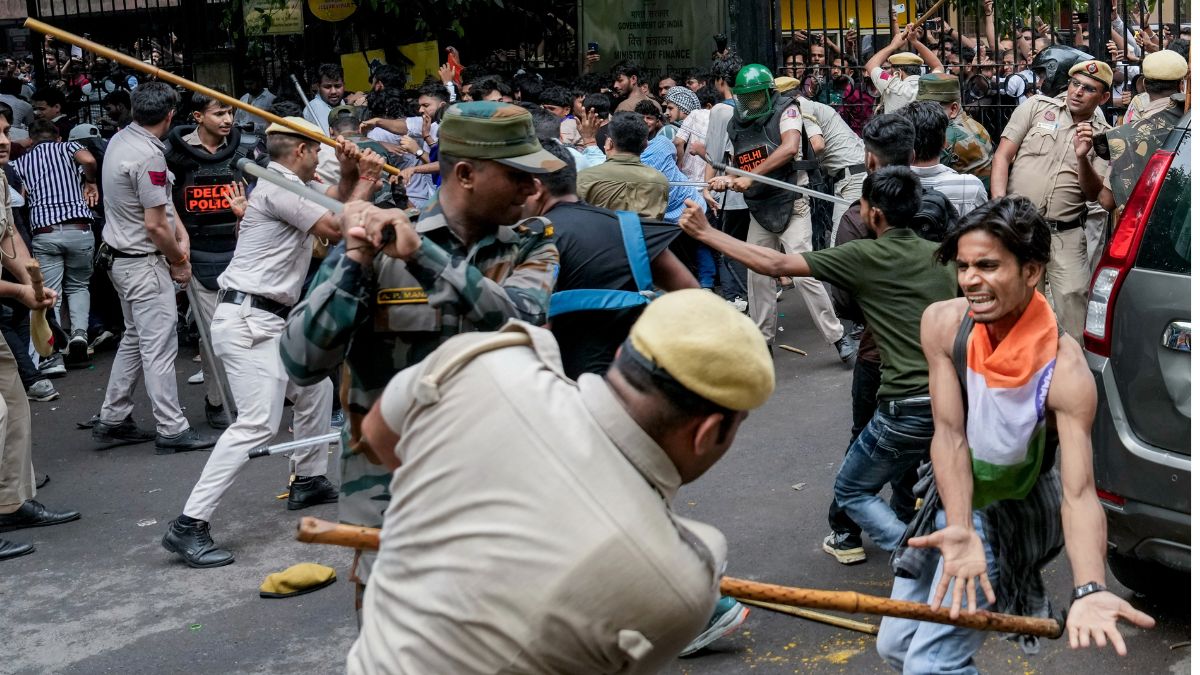
According to reports published around the event, the authorities deployed a substantial police and paramilitary presence, restricted movement around parts of central Delhi and detained people attempting to reach the protest site.
Figures for personnel deployed and protesters detained vary across reports. Some accounts speak of between 40,000 and 50,000 security personnel and more than 7,000 detentions; others cite more than 2,000 detentions. These numbers require careful reconciliation against official records and multiple independent accounts.
Reports also described restrictions affecting Delhi Metro stations, trains and internet services, as well as the detention of CJP leaders shortly after their flight arrived in Delhi.
Among those named were Abhijeet Dipke, Ashutosh Ranka and Saurav Das. Content creator Dhruv Rathee was reportedly detained after travelling from Germany to participate in the protest.
The circumstances of each detention and the legal grounds cited by the authorities should be established individually. Nevertheless, reports of extensive restrictions and detentions raised serious concerns about the practical ability of citizens to assemble peacefully.
Journalists, advocates, activists and ordinary citizens must not be treated as threats merely because they wish to question the government.
The comparison with an undeclared Emergency emerged in the political debate because the scale of the reported restrictions reminded some citizens of darker chapters in India’s democratic history.
The comparison is a serious one and should not be used casually. But it should also not be dismissed without examining the conduct of the authorities.
The real test is straightforward: were the restrictions lawful and proportionate, and were citizens able to exercise their fundamental rights?
Why CJP’s Campaign Matters
The importance of CJP’s campaign cannot be measured solely by the number of people who attended a demonstration.
The movement brought electoral transparency into the centre of a broader debate about democratic accountability. Its campaign also connected with opposition parties, student groups and sections of civil society concerned about the conduct of public institutions.
Abhijeet Dipke, Ashutosh Ranka and Saurav Das became prominent figures in the movement’s public-facing campaign. Ratna Singh was also named among those who feared possible arrests before the demonstration.
The protests sought to put pressure on Gyanesh Kumar and the Election Commission over the SIR process and the alleged exclusion of eligible voters.
The movement’s demands should be judged on their evidence and legal merits. But the right of its members to raise those demands peacefully is an essential part of democratic life.
A government confident in the legitimacy of its actions should be willing to answer serious questions through transparent records and lawful procedures.
It should not expect public trust to survive indefinitely on assurances alone.
11 October 2026: Rahul Gandhi, Mallikarjun Kharge and Chief Justice Surya Kant
The controversy soon moved from the streets towards the judiciary.
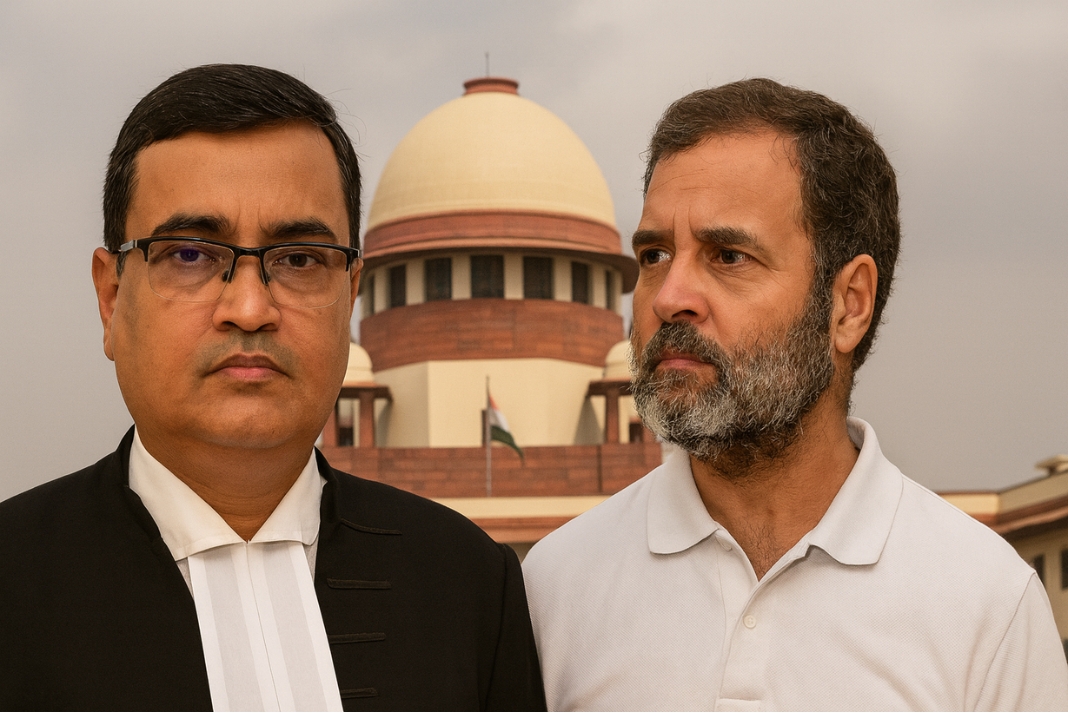
On 11 October 2026, opposition leaders Rahul Gandhi and Mallikarjun Kharge sought to raise their concerns about the situation with Chief Justice of India Surya Kant.
According to contemporary reporting, the Chief Justice declined to meet them and advised them to pursue the matter through the appropriate judicial process because the issues were already before the Court.
This distinction is important. A refusal to hold an administrative meeting does not, by itself, establish that the judiciary has compromised its independence.
The appropriate question is whether the concerns raised by the opposition receive a fair hearing through the constitutional process.
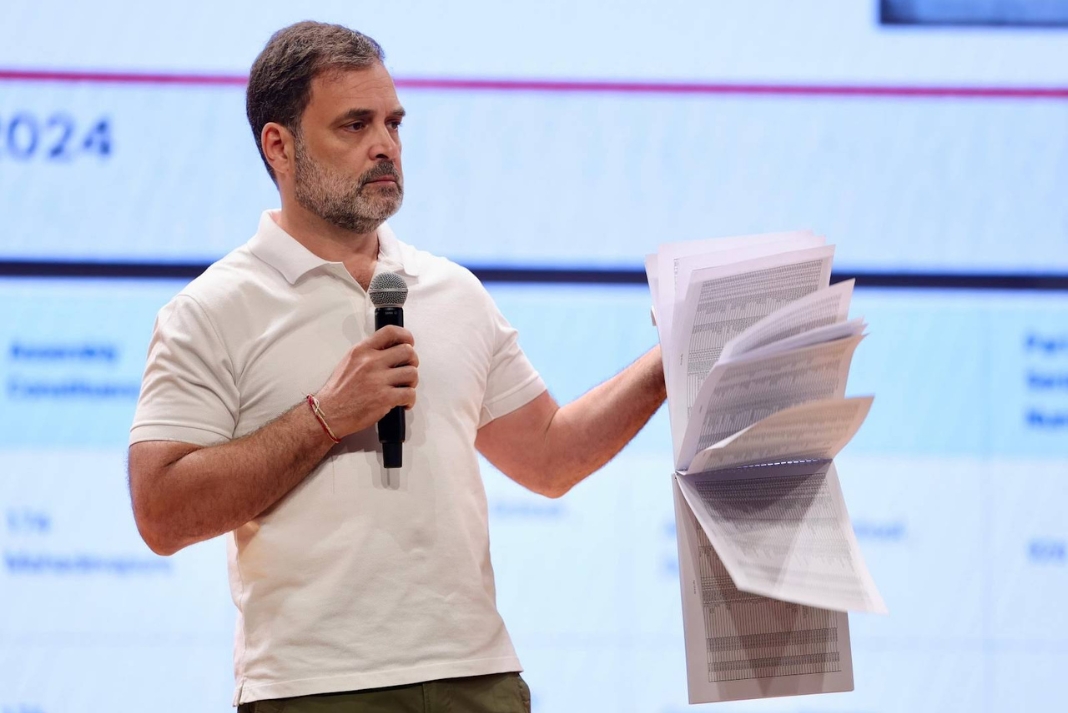
Rahul Gandhi and other opposition leaders argued that the electoral controversy demanded urgent scrutiny. The question of whether the SIR process had unlawfully deprived eligible citizens of their voting rights required examination of the relevant records and applicable law.
The judiciary must be able to consider such questions independently, without pressure from the government, opposition parties or public campaigns.
If a petition raises a genuine constitutional issue, it should be assessed on its merits. Equally, political leaders must respect the judicial process rather than treating every procedural development as a verdict on their political claims.
12 October 2026: The INDIA Bloc Marches Towards the Supreme Court
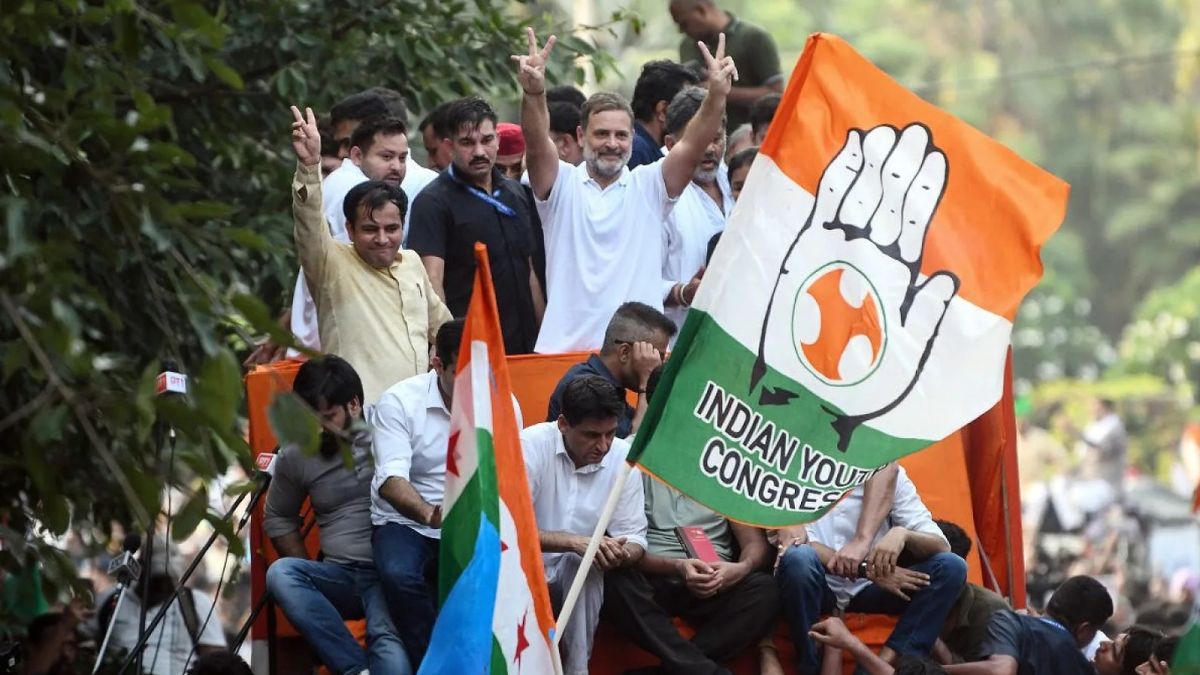
On 12 October 2026, Rahul Gandhi called on opposition parties to join a march from Barakhamba Road towards the Supreme Court in Delhi.
The march brought together leaders and supporters associated with the INDIA bloc, alongside advocates, civil society participants and ordinary citizens.
The demonstration sought action over the SIR process and demanded accountability from Chief Election Commissioner Gyanesh Kumar.
The event was significant because it brought together opposition leaders who do not always agree on political strategy or regional priorities.
It also shifted the focus from a protest organised primarily by CJP towards a broader opposition campaign concerning electoral transparency and the conduct of public institutions.
Reports indicated that Rahul Gandhi reached the Supreme Court after the filing deadline of 4:30 p.m. and that the petition was subsequently flagged for procedural defects, including missing documents and a fee shortfall.
These details must be checked against the Supreme Court registry’s actual record. A petition returned for correction is not the same as a petition rejected on its substantive merits.
The joint petition sought judicial scrutiny of the electoral process and the alleged deletion of eligible voters. The opposition’s concerns centred on the need for transparency, an examination of the revision process and safeguards against the wrongful removal of names.
The legal process is now central to the controversy.
What matters is whether the Court examines the claims and whether the relevant institutions provide the information necessary to establish the facts.
The Jantar Mantar Question: Can a Protest Site Simply Disappear?
Another development concerns Jantar Mantar itself.
On 12 October 2026, authorities removed Jantar Mantar from the designated protest-site list, following a requirement that organisers give at least 10 days’ notice for demonstrations.
This raises an important question: can a government effectively restrict public protest by changing the places where citizens are permitted to assemble?
The legal position depends on the actual order, its scope and the rules governing public demonstrations. A change in designated protest arrangements should not automatically be described as a permanent ban unless the official notification establishes that conclusion.
But if a recognised protest site has been removed without a clear and lawful alternative, the public deserves an explanation.
A peaceful protest must be possible in practice, not merely recognised in principle.
The government and Delhi Police should make the applicable rules, the reasons for any changes and the available alternatives clear to the public.
Is India Facing an Undeclared Emergency?
The memory of the Emergency imposed by Prime Minister Indira Gandhi in 1975 remains an important part of India’s political history.
During that period, civil liberties were severely curtailed, political opponents were detained and press freedom came under extraordinary pressure.
India today should not automatically be equated with that period merely because protests face restrictions or political tensions intensify. Historical comparisons must be made carefully.
Nevertheless, the Emergency offers a powerful warning about the dangers of concentrated power and the treatment of dissent as a threat.
If peaceful demonstrators are detained without lawful justification, journalists are prevented from reporting or citizens are denied their legitimate right to assemble, the country must ask difficult questions.
Are security measures proportionate? Are restrictions legally justified? Can citizens obtain judicial remedies? Are the police acting professionally? Are public institutions willing to hold the executive accountable?
These questions should not depend on which party occupies the government benches.
Democracy is not merely the right to vote every five years. It also requires the freedom to question the government between elections.
What Happens If the Judiciary Fails to Restore Public Confidence?
The Supreme Court’s role in this controversy is particularly important because the allegations concern fundamental rights, electoral procedures and the accountability of constitutional institutions.
The opposition’s concerns about Gyanesh Kumar and the SIR process must be examined through the legal procedures available to them.
Questions have also been raised about Chief Justice Surya Kant, former Chief Election Commissioner Rajiv Kumar, National Security Adviser Ajit Doval, External Affairs Minister S. Jaishankar, and industrialists Gautam Adani and Mukesh Ambani.
These individuals occupy different positions in India’s political, administrative and economic landscape. They should not be treated as a single group or assumed to share responsibility for alleged wrongdoing without evidence.
Rajiv Kumar’s tenure as Chief Election Commissioner, Gyanesh Kumar’s current role, Ajit Doval’s national security responsibilities and S. Jaishankar’s position in the foreign policy establishment raise different questions of public accountability.
Adani and Ambani, meanwhile, are central to the broader debate about corporate concentration and the relationship between business and political power.
The legitimate public-interest question is whether any individual or institution has acted improperly and, if so, whether there is credible evidence and an effective mechanism for accountability.
If the Supreme Court rules on the electoral dispute, its actual findings will matter more than speculation about what it might decide.
If it finds procedural or constitutional violations, the relevant authorities must respond according to law. If the claims are not substantiated, that conclusion must also be respected.
The independence of the judiciary should be defended even when its decisions disappoint political leaders or protesters.
Why Modi and Shah Face a Serious Political Test
Narendra Modi and Home Minister Amit Shah have been among the most influential figures in Indian politics for more than a decade.
Their supporters credit them with decisive leadership, national ambition and the ability to implement large-scale policies. Their critics argue that political centralisation, communal polarisation and the concentration of influence have weakened important democratic safeguards.
The question now is whether the government can respond to growing criticism by rebuilding public trust.
If citizens believe that electoral procedures are opaque, that peaceful protest is being restricted or that institutions are unwilling to investigate serious allegations, the government cannot simply dismiss their concerns.
Nor can it assume that electoral victories in previous years settle every question about its current conduct.
At the same time, opposition parties must demonstrate that their claims are supported by evidence. A large demonstration does not automatically prove electoral fraud, just as an official denial does not automatically settle the matter.
The public deserves an open examination of the facts.
The stakes are particularly high because electoral legitimacy is the foundation of representative government. If a significant number of citizens lose confidence in the fairness of elections, the consequences can extend far beyond one political party or one election.
That is why the SIR controversy deserves transparent scrutiny rather than political point-scoring.
The Fear of Losing Power: What Can We Actually Conclude?
Some have argued that Modi and Shah may fear the consequences of losing office, including possible investigations into decisions taken during their tenure.
Claims that the BJP’s electoral support has declined from approximately 31 per cent in 2014 to 9 per cent in 2026 require careful treatment.
The BJP’s national vote share in the 2014 Lok Sabha election was approximately 31 per cent. But a claim that it has fallen to 9 per cent in 2026 cannot be accepted without a clearly identified election, constituency set, survey or other reliable dataset. Vote shares from different kinds of elections cannot be compared as though they measure the same thing.
It would be speculative to conclude that the Prime Minister or Home Minister fears imprisonment or is deploying security forces primarily to protect personal interests without evidence establishing that motive.
The stronger political argument is that every government must be prepared to surrender power through lawful, democratic means. Losing an election should not be treated as a threat to the constitutional order.
If allegations of criminal wrongdoing are established, investigations should proceed independently and fairly. If no wrongdoing is established, individuals should not be condemned merely because they once held public office.
The rule of law must apply to everyone.
Could Political Tensions Spread Beyond India?
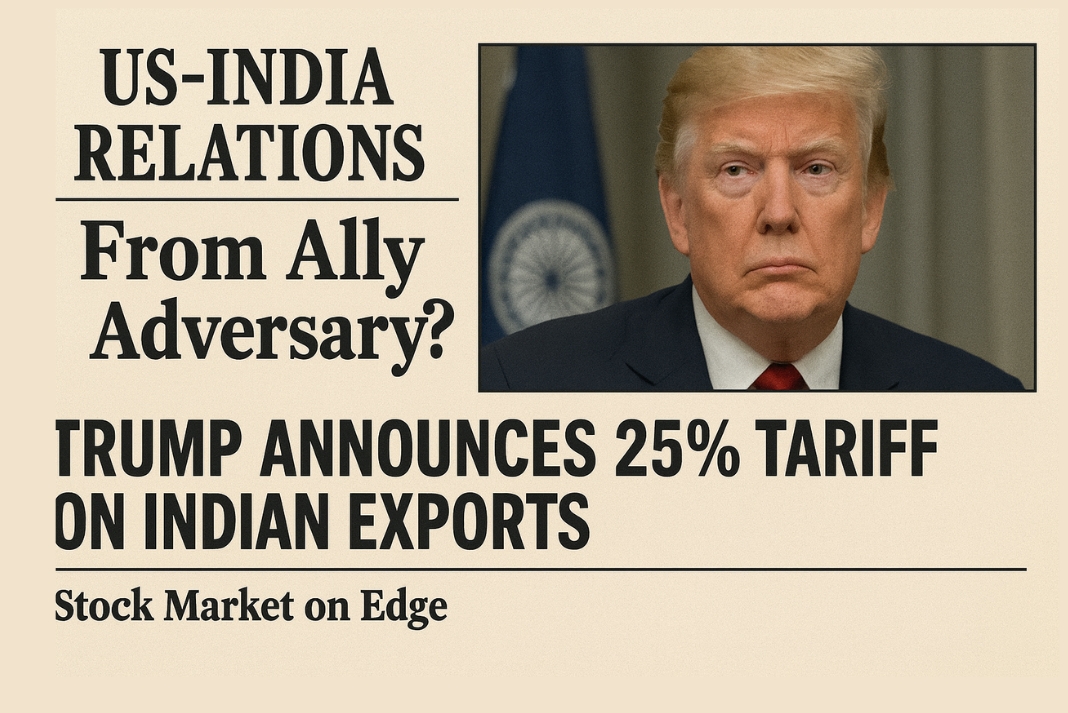
Some have speculated about whether Modi and Shah could leave India and seek asylum in the United States or Israel, and whether Donald Trump might respond to political developments in India in a transactional manner.
These remain hypothetical possibilities rather than established developments.
Donald Trump has his own political priorities and domestic challenges. India’s political future will depend primarily on Indian voters, Indian institutions and the constitutional process.
The Iran conflict and wider geopolitical tensions may influence international relations, but they do not establish what any foreign government would do in a hypothetical Indian political crisis.
It is more useful to focus on what India can control: transparent elections, independent institutions, lawful investigations and the peaceful transfer of power.
India’s democratic future should not depend on speculation about foreign leaders or political asylum.
What If the Supreme Court Makes a Historic Decision?
Several possible outcomes have been discussed: the resignation of Gyanesh Kumar, the suspension or cancellation of the SIR process, or renewed scrutiny of elections conducted after the revision.
These possibilities must not be confused with actual judicial orders.
The Court’s response will depend on the petitions before it, the evidence presented, the legal arguments and the remedies available under the Constitution.
If the Court finds serious violations, it may issue appropriate directions within its jurisdiction. If the evidence does not support the allegations, the claims may fail.
A government must comply with binding judicial orders. Equally, political leaders must not announce the outcome of proceedings before the Court has decided the matter.
The central question is whether the judicial process can provide a credible, lawful way to resolve the controversy.
If the Court does not grant the relief sought by the opposition, that decision will not automatically establish that the judiciary has been compromised. If it grants relief, that will not automatically prove every political allegation made during the protests.
The evidence and the Court’s reasoning must guide the public response.
The Real Battle Is Between Accountability and Unchecked Power
India’s political debate is often reduced to a contest between the BJP and its opponents. But the deeper issue is whether the institutions of the Republic remain strong enough to hold every government accountable.
The Election Commission must be able to demonstrate that electoral rolls are maintained fairly. The police must be able to explain the legal basis for restrictions and detentions. The judiciary must be able to decide disputes independently. The media must be able to investigate allegations without fear or favour.
Political parties, too, have responsibilities. They must not use misinformation, communal hostility or unsupported accusations to mobilise voters.
If the claims surrounding the 2026 protests are substantiated, they would raise serious concerns about the relationship between the government, citizens and constitutional institutions. If particular claims are inaccurate, they should be corrected openly.
A democracy becomes weaker when people are asked to choose between unquestioning faith in the government and unquestioning faith in its opponents.
Neither is a substitute for evidence.
From Gandhi Jayanti to Nehru Jayanti: Is a New Political Chapter Emerging?
The developments beginning around Gandhi Jayanti on 2 October 2026 fall within a broader political timeline leading towards Nehru Jayanti on 14 November 2026.
The symbolism is significant. Mahatma Gandhi’s legacy is associated with non-violent resistance, while Jawaharlal Nehru’s political legacy is closely connected with the development of India’s parliamentary institutions after independence.
Whether the current protests will produce a lasting political transformation remains to be seen.
Movements can attract enormous crowds and still struggle to translate public anger into lasting institutional change. Governments can survive intense criticism, but they cannot indefinitely ignore legitimate concerns without risking a loss of public trust.
The coming weeks and months will therefore matter. The evidence concerning the electoral rolls, the response of the Election Commission, the progress of the judicial proceedings and the conduct of the authorities will help determine whether the current agitation becomes a turning point or another episode in India’s continuing political contest.
History will judge the outcome, not the slogans.
The Final Question: How Long Will India Tolerate This?
I return to the conversation I had with my brother-in-law in March 2013.
I had feared that a powerful leader might one day test the limits of India’s democratic institutions. My relative had believed that the country’s size and diversity would protect it from such a possibility.
More than thirteen years later, I believe both of us were looking at different aspects of the same truth.
India’s diversity is a source of strength. But diversity alone cannot protect democracy. Institutions must be independent, the law must apply equally, the press must be free to question those in power, and citizens must retain the courage to disagree without hatred or fear.
The events of October 2026, particularly the CJP protests of 10 October, the opposition march of 12 October and the legal questions surrounding the SIR process, have brought these concerns into sharp focus.
The names of Abhijeet Dipke, Ashutosh Ranka, Saurav Das, Ratna Singh, Dhruv Rathee, Rahul Gandhi, Mallikarjun Kharge, Gyanesh Kumar and Chief Justice Surya Kant have become part of the public debate surrounding these developments. The decisions taken by the relevant institutions will matter far more than the political narratives surrounding them.
The same standard must apply to Narendra Modi, Amit Shah, the BJP, the RSS, the Election Commission and the opposition parties.
No individual is above the law. No institution should be beyond scrutiny. No citizen should have to surrender a constitutional right simply because exercising it is politically inconvenient.
I told you earlier about the quiet sense of unease I felt in 2013. Since 2020, during deep states of meditation, or samadhi, I have repeatedly seen images that disturb me. I will not describe the full content of those visions here. What I can say is that they concern the eventual end of Narendra Modi’s political journey, and the pictures are not gentle.
History offers its own reminders. Adolf Hitler died by suicide. Benito Mussolini was executed. Muammar Gaddafi was captured alive near Sirte on 20 October 2011 and subsequently died in the custody of opposing fighters. The end of concentrated, unaccountable power is rarely peaceful.
When it comes to a country as vast and complex as India, I continue to pray that events will not follow those darker historical patterns. I still want to believe — even after what I have seen — that the Supreme Court, the Election Commission and other constitutional authorities will act in time, that the rule of law will assert itself, and that the situation will be resolved through lawful and democratic means.
But the deeper question remains: will Modi and Shah accept that outcome if the institutions of the Republic decide against them?
The ultimate responsibility belongs to the people of India. They express their judgment through peaceful protest, public debate, the courts and free and fair elections.
The real test is not whether Modi and Shah remain in power. It is whether India remains a country in which no leader is above the law and no citizen is beneath the protection of the Constitution.
That is the India worth defending.
Let us wait and watch the creation of a new chapter in India’s history.