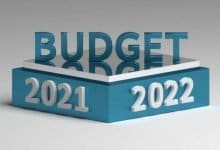
India’s Budget Without a Pulse: Why the Common Citizen Feels Ignored
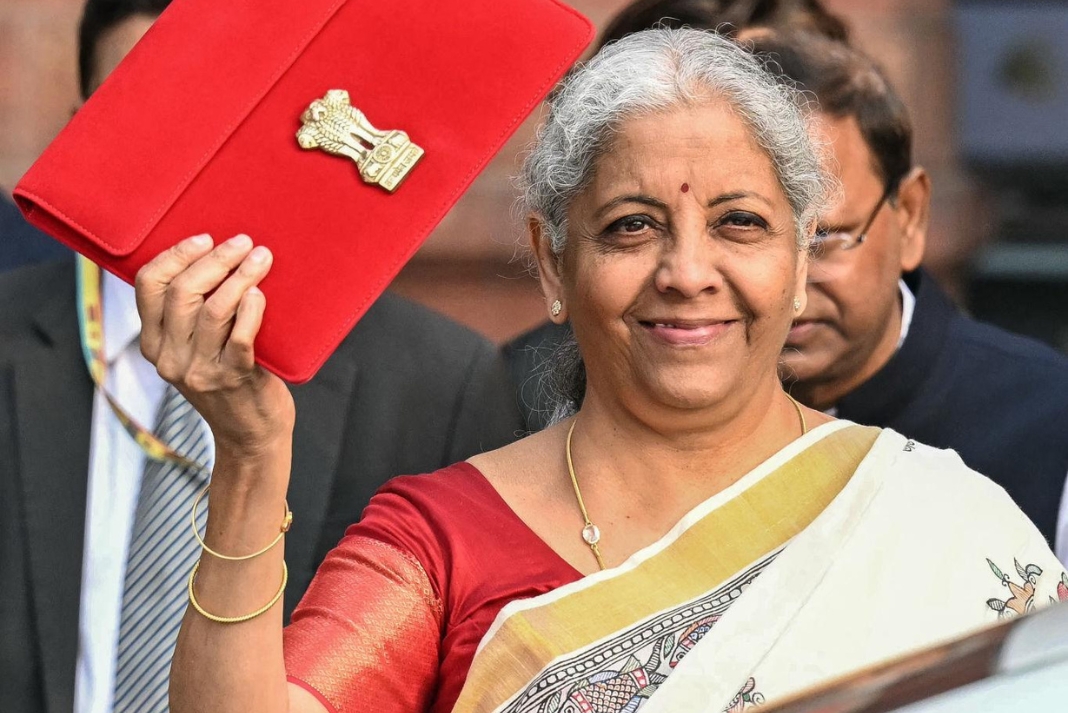
Every Union Budget claims to speak for the common man.
But when the speech ends and numbers take over, the real question is simple. What actually changes tomorrow morning?
The Union Budget presented by Nirmala Sitharaman offers stability and caution. What it does not offer is relief that people can immediately feel. A closer look shows selective concessions, careful taxation, and a clear avoidance of politically sensitive pressure points like fuel, jobs, and rural income.
What Becomes Cheaper
There are some price-side reliefs, mostly indirect and long-term.
- Certain life-saving and cancer medicines have been exempted from customs duty. This could help patients over time, though the final benefit depends on manufacturers and distributors.
- Mobile phone components, batteries, and some electronic parts see duty reductions, which may marginally reduce device costs.
- Solar and EV-related components get customs relief, aimed at encouraging green manufacturing rather than consumer price cuts.
- Some raw materials for footwear, leather goods, and sports items have been made cheaper to support domestic manufacturing.
- Tax collected at source on certain foreign education and travel expenses has been rationalised, offering limited relief to families sending students abroad.
These changes help specific sectors, but most households will not feel an immediate drop in monthly expenses.
What Becomes Costlier
On the other side, some quiet increases matter more than they appear.
- Securities Transaction Tax on futures and options trading has been increased, making active trading more expensive.
- Select imported and specialised goods face higher effective costs due to unchanged or adjusted duties.
- No reduction in indirect taxes means inflation pressure continues through fuel-linked supply chains.
Most importantly, there is no relief on petrol, diesel, or LPG. This single decision ensures that transport costs, food prices, and household expenses remain high.
What Did Not Change but Should Have
Sometimes, what stays untouched speaks the loudest.
- No cut in excise duty on fuel
- No increase in PM-Kisan support
- No new urban employment scheme
- No income tax relief for the middle class
- No fertiliser or diesel subsidy push for farmers
This absence shapes the public mood more than any announcement.
When Common Man No Longer Means Farmer
One clear message emerges. Farmers were not the centre of this budget.
Earlier budgets, even imperfect ones, began with agriculture and rural distress. This time, agriculture appeared briefly, without any new farmer-focused scheme that stands out.
Instead, farmers were offered AI tools and suggestions to grow high-value crops like almonds, cashews, and cocoa. These ideas sound modern, but without irrigation, storage, transport, insurance, and price security, they remain unrealistic for large parts of India.
Read the Tables, Not the Speech
Experts repeatedly stress one point. Budget speeches persuade. Budget tables reveal priorities.
Figures discussed by analysts show:
- Agriculture and allied sectors’ share falling from 3.38 percent to 3.04 percent
- Rural development allocation declining from 5.25 percent to 5.11 percent
- Fertiliser allocation reduced
- Crop insurance funding under PM Fasal Bima Yojana lowered
In a budget of this size, decimal reductions translate into hundreds of crores. This is not symbolic. It is structural.
Big Schemes, Thin Spending
Another credibility issue keeps resurfacing.
Large missions announced in previous years around pulses, cotton, and niche crops generated headlines, but spending remained weak. Fresh allocations this year do little to change that perception.
The result is growing public fatigue. Announcements feel repetitive. Delivery feels optional.
PM-Kisan and the Inflation Blind Spot
PM-Kisan has not changed since 2019.
- Inflation has sharply reduced its real value
- Support is not linked to rising costs
- Targeting issues allow non-cultivators to benefit
- Many expected an increase or restructuring
Not addressing this was widely seen as a missed political and economic opportunity.
Youth and Jobs: Same Promises, Same Gaps
On employment, the budget returns to skilling, internships, and future readiness.
The concern is not intent. It is urgency.
Large job numbers are announced. Execution remains modest. Accountability fades. India’s youth problem is not lack of training. It is lack of jobs at scale.
The Bigger Economic Reality
Some experts look beyond welfare and focus on hard indicators:
- Exports have stagnated for years
- Imports continue to rise
- Trade deficit widens
- Foreign investment remains below expectations
From this angle, credibility, quality manufacturing, compliance, and accountability matter more than slogans.
The Other Argument
Supporters of the budget argue that free food grain acts as income support, defence and infrastructure spending are necessary, and steady growth of 7 to 8 percent is the priority. Official data is cited to contest claims of joblessness.
This view sees the budget as conservative and forward-looking.
The Core Reality
Across opinions, one agreement stands firm.
Budgets must be judged by outcomes, not speeches.
This budget balances numbers and reassures institutions. But it does not change daily stress for farmers, workers, or households. With fuel untouched, income support unchanged, and jobs unaddressed, the feeling on the ground is simple.
Nothing became easier.
Until spending, delivery, and real impact match intent, applause inside Parliament will continue to feel distant outside it.