Two Moves, One Message: How Modi Government Used a New Police Commissioner to Silence Sonam Wangchuk
Anurag Kumar appointed on Friday, activist removed from Jantar Mantar on Saturday morning after 21-day hunger strike
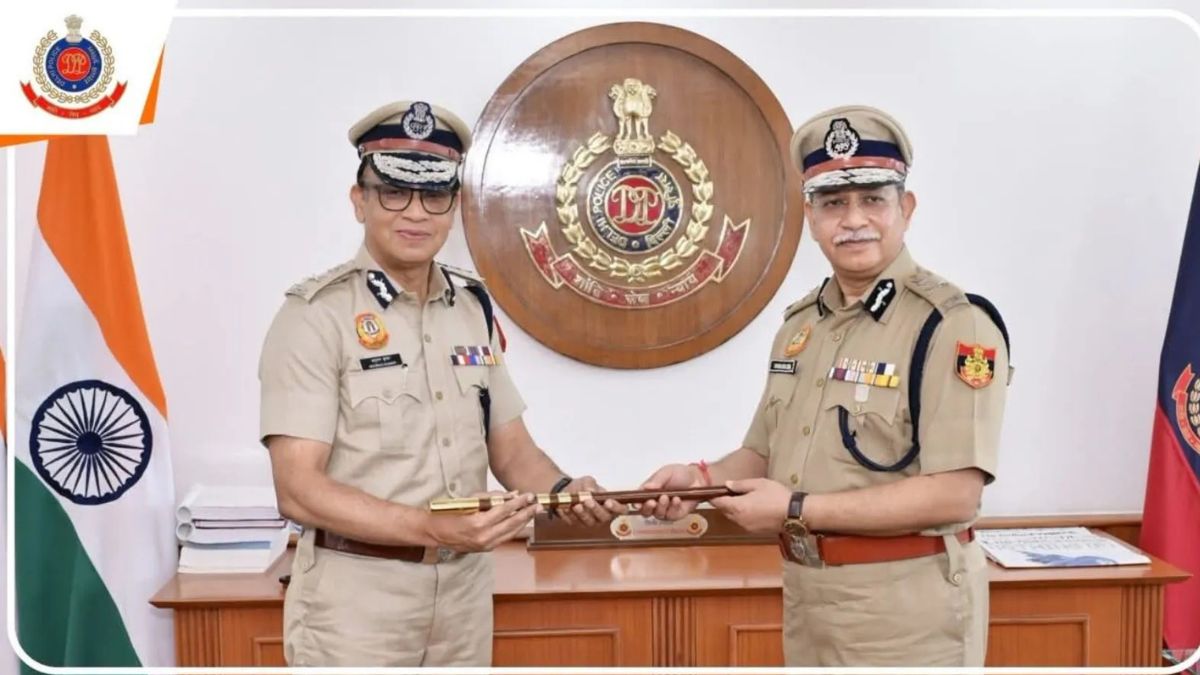
NEW DELHI – In a span of fewer than 48 hours, the Narendra Modi government has executed a two-pronged operation that has sent shockwaves through the national capital. On Friday, the Centre unceremoniously removed Delhi Police Commissioner Satish Golcha, replacing him with a career Intelligence Bureau veteran. On Saturday morning, police descended on Jantar Mantar and forcibly removed activist Sonam Wangchuk, who was on the 21st day of a hunger strike, from the protest site.
The timing is impossible to ignore. And the message is unmistakable: dissent will not be tolerated.
The Sudden Fall of Satish Golcha
Satish Golcha, a 1992-batch AGMUT cadre IPS officer, was appointed as the 26th Commissioner of Delhi Police in August 2025. His tenure was originally scheduled to continue until April 2027. Instead, on July 17, he was abruptly removed and directed to report to the Lieutenant Governor’s office for his next posting.
The manner of his removal was nothing short of humiliating. Sources told The Times of India that Golcha was attending a mega plantation drive with Environment Minister Manjinder Singh Sirsa moments before the axe fell. Senior officials at Delhi Police Headquarters were caught completely off guard. This was not a routine transfer, it was an execution.

This is the second time within a year that the Ministry of Home Affairs has replaced the Delhi Police Commissioner before the completion of the incumbent’s tenure. The message from the Centre is clear: loyalty and performance are measured on their terms alone.
The Intelligence Man Takes Over
Replacing Golcha is Anurag Kumar, a 1994-batch IPS officer who until his appointment was serving as Special Director in the Intelligence Bureau. Kumar is a career intelligence officer with nearly 32 years of experience, a man who has spent most of his career in the shadows, handling internal security, counter-terrorism, and the sensitive Jammu and Kashmir desk.
His appointment, effective immediately and until further orders, marks a decisive shift toward intelligence-based policing. But what does a counter-terrorism specialist need to do with a protest by students and activists demanding education reforms? The answer, perhaps, lies in the government’s perception of any dissent as a threat to national security.
Wangchuk’s 21-Day Stand: A Fight for India’s Future
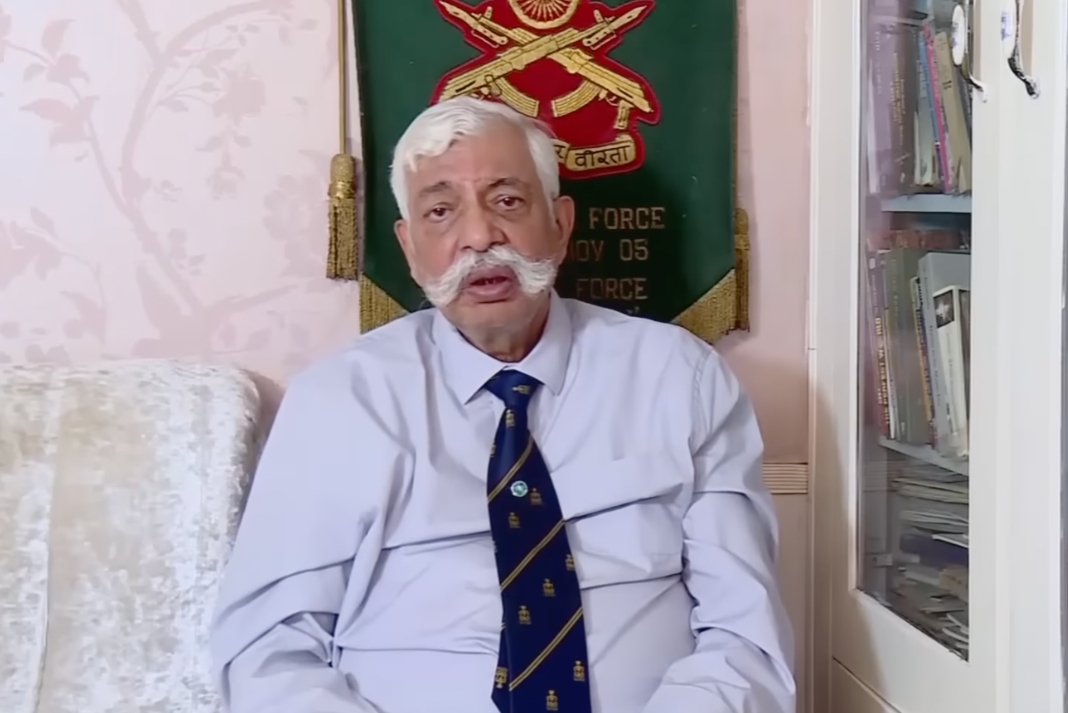
Sonam Wangchuk, the 59-year-old educator and climate activist from Ladakh, began his indefinite hunger strike at Jantar Mantar on June 28. He was protesting in solidarity with the Cockroach Janta Party (CJP), a youth-led movement demanding the resignation of Union Education Minister Dharmendra Pradhan over alleged irregularities in the NEET examination.
Wangchuk’s health deteriorated dramatically over the course of his fast. According to a medical bulletin, his weight dropped 09 KG. Doctors warned he was at risk of entering a potentially alarming phase involving organ damage. Yet Wangchuk refused to end his fast, declaring in a video message: “Twenty per cent of my body is gone. After fats, muscles are gone. After that, organs will go. Finally, the brain. The time has not come yet.”
He had planned to march to Parliament on July 20, the opening day of the Monsoon Session. That march will now happen without him.
The Saturday Morning Crackdown
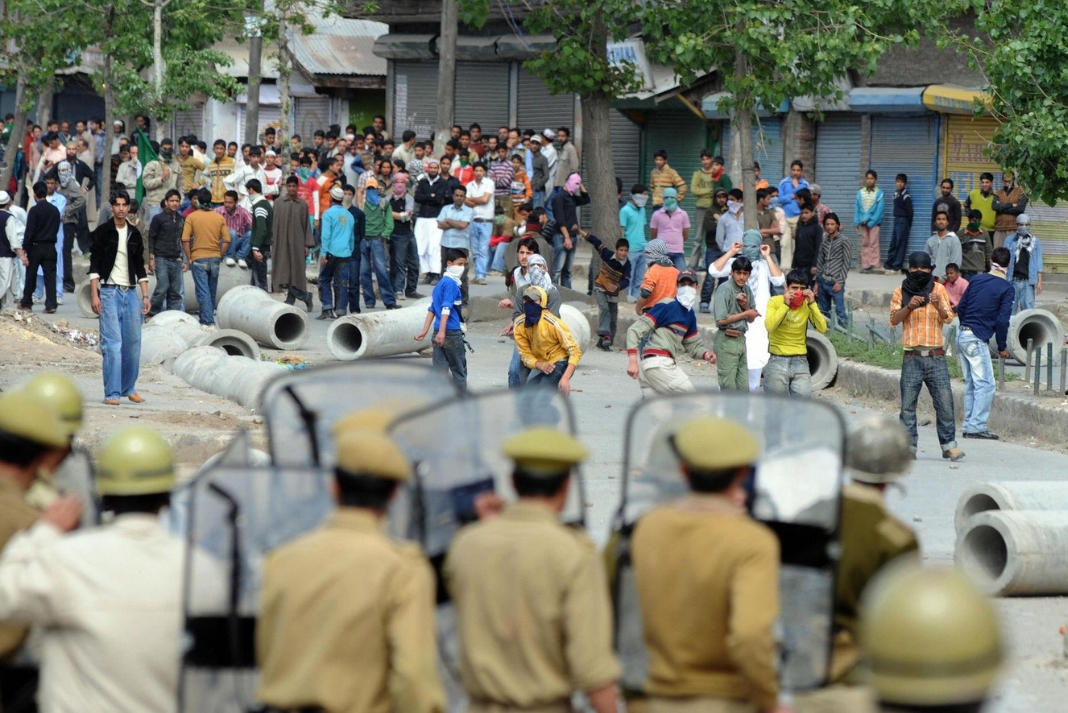
At dawn on Saturday, July 18, less than 24 hours after Kumar took charge, Delhi Police descended on Jantar Mantar. Wangchuk was removed from the protest site and taken to Safdarjung Hospital.
The police claimed the action was taken as per orders of the Hon’ble High Court and on expert medical advice due to the deteriorating health condition. Two days earlier, the Delhi High Court had directed authorities to conduct daily clinical examinations of Wangchuk, observing that “the life of any citizen is precious.”
But the official narrative has been met with fierce skepticism. CJP founder Abhijeet Dipke, who was also at the protest site, alleged that police cracked down and forcefully took Wangchuk away. “Delhi Police is cracking down at Jantar Mantar. Beating up people and taking away Sonam sir forcefully,” Dipke posted on X. He further claimed he was himself beaten and put under detention by the police.
Videos shared on social media platform X showed police removing protesters from the site. Protesters were being cleared from Jantar Mantar even as Wangchuk was being taken to the hospital. The message was unambiguous: the protest was over.
The Uncomfortable Question
The sequence of events raises an uncomfortable question that the government has not answered. Why was Golcha removed on Friday, and why was Wangchuk removed on Saturday, just a day before a planned march to Parliament? Why was a man with no conventional policing background, a career intelligence officer, rushed into the top job at the precise moment when a peaceful protest was reaching its peak?
Sources suggest Golcha’s removal was linked, at least in part, to scrutiny over the Delhi Police’s handling of the Jantar Mantar protest. Other factors cited include the Red Fort blast case, security breaches at the Vidhan Sabha, and a rise in violent crimes. But none of these explain the urgency, the sheer haste, with which the change was executed.
The MHA, which controls the Delhi Police, appears to have been preparing for this moment. Kumar’s appointment came just a day after the Appointments Committee of the Cabinet approved his repatriation from the IB to his parent AGMUT cadre for three years, relaxing the IPS tenure policy. The machinery was already in motion.
A Pattern of Suppression
This is not the first time the Modi government has moved swiftly to silence dissent. Wangchuk himself was briefly detained under the National Security Act in September 2025. The CJP protest has been under surveillance, with a PIL filed in the Delhi High Court challenging the alleged continuous monitoring of peaceful protesters.
What we witnessed over the past 48 hours is a pattern. First, remove the police commissioner who failed to shut down the protest. Second, install an intelligence veteran who understands how to neutralize threats. Third, use a court order as cover to remove the activist and clear the site. Fourth, claim it was all done in the interest of health and law and order.
The government is betting that the public will accept the official narrative. But the timing tells a different story. Golcha was removed because he was seen as too soft. Kumar was appointed because he is seen as the man who can get the job done. And Wangchuk was removed because his 21-day fast had become a symbol that the government could no longer tolerate.
The Cost of Silence
As of Saturday evening, Wangchuk is reportedly conscious and his vitals are stable. But the protest site at Jantar Mantar has been cleared. The CJP’s planned march to Parliament on July 20 will go ahead, but without its most powerful symbol.
The Modi government has made its position clear: there is no room for protest in New Delhi, regardless of the cause, regardless of the cost. Wangchuk’s fast was not just about NEET, it was about the right of citizens to hold their government accountable. That right, it seems, is now conditional.