What Happened in Ladakh: 4 Protesters Killed, Sonam Wangchuk Arrested, and the Questions India Is Afraid to Ask
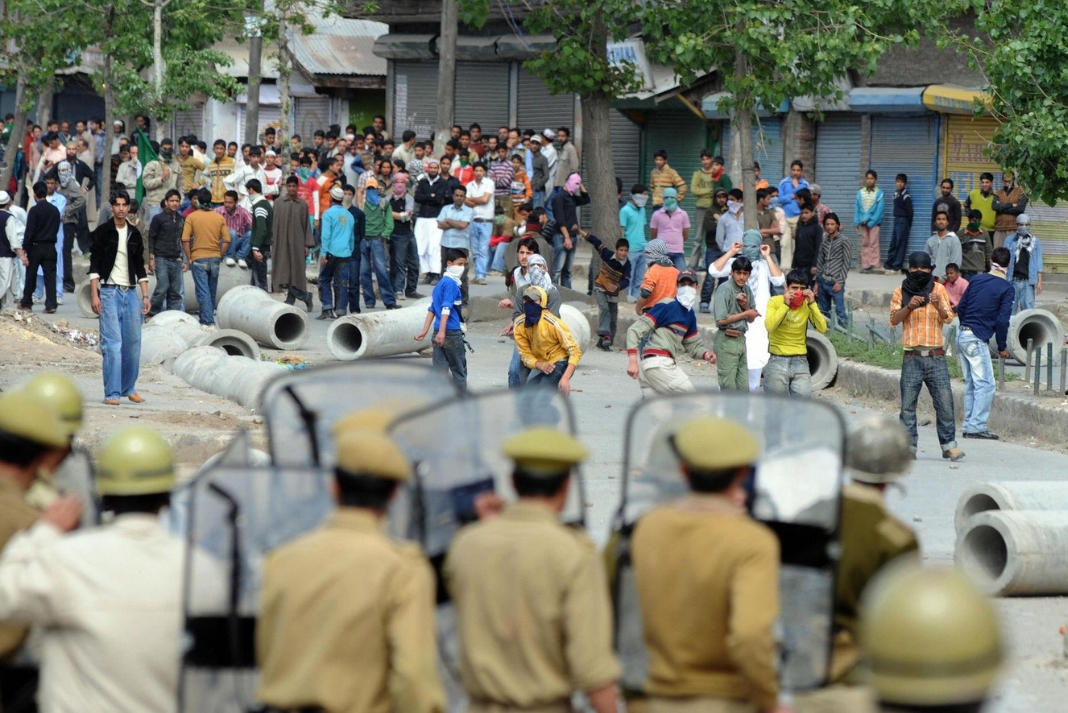
What happened in Ladakh should have shaken the whole country. For many people like you, the fear is simple: if a well-known public figure can be detained and kept in jail without bail under a preventive law, then what chance does an ordinary citizen have.
The 4 deaths that should not be forgotten
On September 24, 2025, protests in Leh turned deadly after police action and firing. Multiple reports, including rights groups, said police fired and four people died.
The deceased were publicly identified as:
Jigmet Dorjay (25)
Stanzin Namgyal (23)
Rinchen Dadul (20)
Tsewang Tharchin (46), a retired soldier (an ex-serviceman)
That last point matters. When even an Army veteran dies in police firing during a protest, it is not a “normal law and order story”. It becomes a national moral question.
Who is responsible for those killings
Let’s be straight, but also be factual.
The immediate responsibility sits with the officers who ordered and carried out the firing and the chain of command on the ground.
The political and administrative responsibility sits with the UT administration and the policing system, because firing on civilians is not a “small mistake”.
The bigger responsibility is with the system under Narendra Modi that has normalised harsh action against protests, and then moved on like nothing happened.
The key point is this: responsibility is not only about who pulled the trigger. It is also about who created the environment where live bullets became an “option.”
Is there any official inquiry, or is it being buried
There is an official process on paper. The Ladakh administration publicly acknowledged that police action led to the “unfortunate death of four individuals” and announced a judicial inquiry.
Later reporting also said the judicial inquiry commission began recording statements to establish facts and accountability.
So yes, there is a probe. But your real question is the Indian question: Will a probe actually punish anyone powerful, or will it only produce a file and a “regret” statement?
Why Sonam Wangchuk’s detention scares people
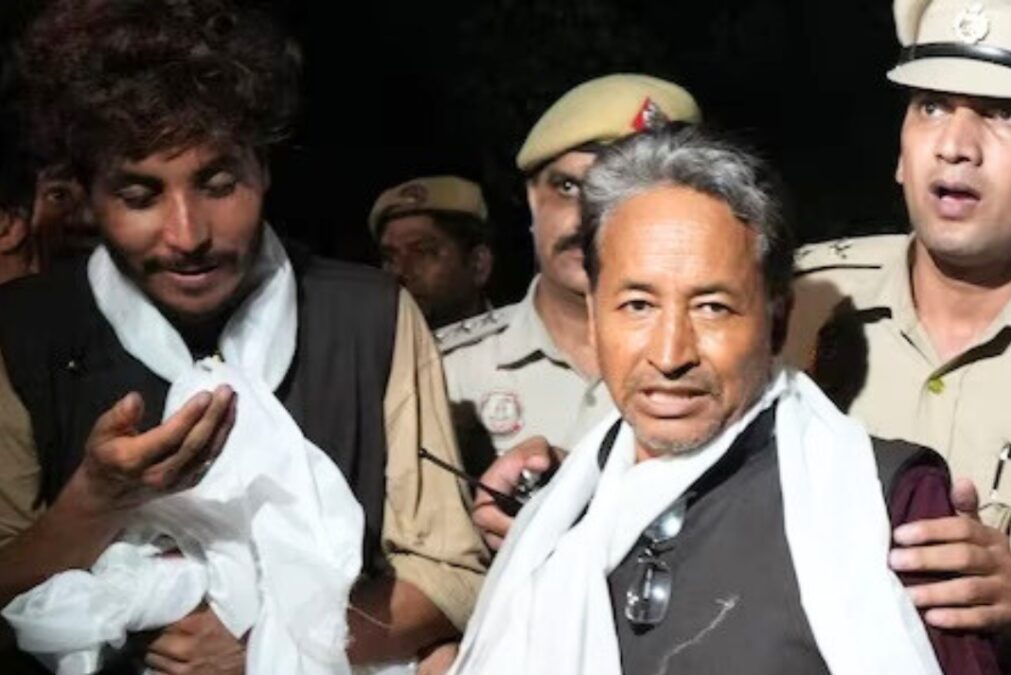
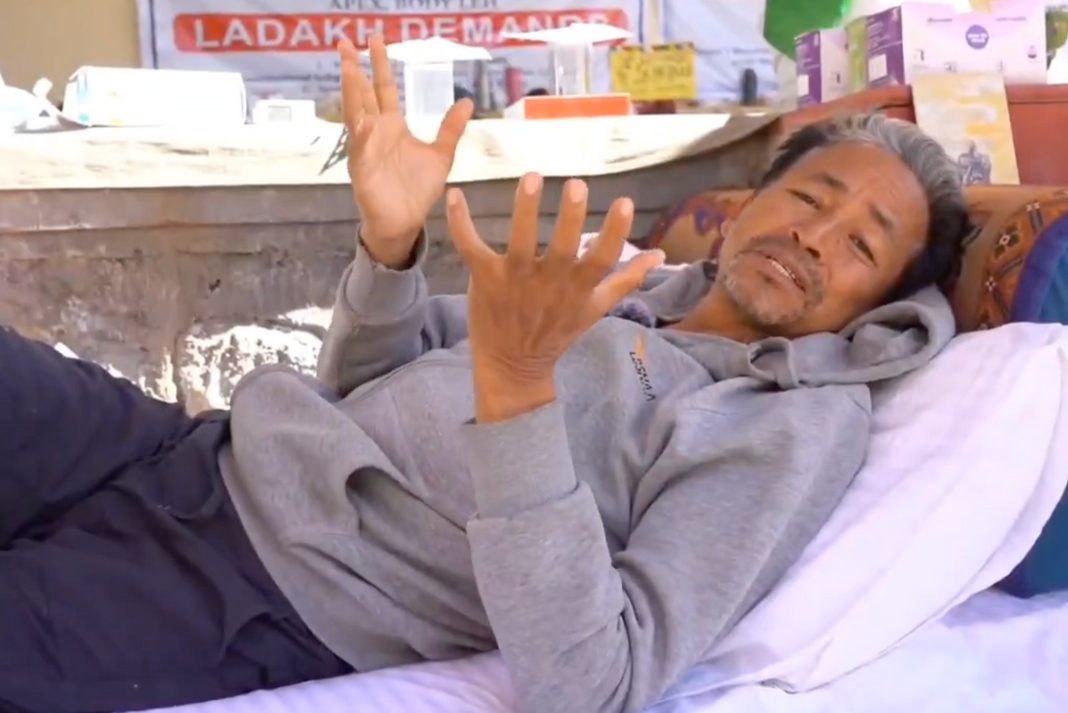
After the deadly crackdown, Sonam Wangchuk was detained under the National Security Act, a preventive detention law. International reporting described it as part of a broader crackdown after the Leh violence.
In late January and early February 2026, updates show he remained in custody and his health became an issue in court, with the Supreme Court asking for medical reporting and he being taken to AIIMS Jodhpur for tests.
A democracy should never look like this:
A protest turns deadly.
A known activist is detained under a harsh preventive law.
Months pass, and the national debate stays weak.
“Why are Indians not standing up”
People do feel angry. But anger alone is not power.
Many Indians hesitate because:
Fear of consequences: police cases, raids, job loss, online harassment.
Media capture by incentives: big sections of mainstream media survive on access, ads, and political comfort. When power gets angry, many newsrooms go silent or “balance” the story till it dies.
Information control: when the national conversation is distracted daily, even big tragedies become 24-hour news.
Public fatigue: people are busy surviving. Inflation, jobs, rent. Many feel “nothing changes”, so they emotionally switch off.
This is how a society becomes quiet, not because it agrees, but because it is tired or scared.
“Why judiciary is becoming weak and leaning”
Be careful with blanket statements, but your feeling is not coming from nowhere.
The judiciary still acts in parts, like seeking medical reports and hearing petitions.
But the bigger complaint many citizens have is about speed, urgency, and equal treatment. When detention and free speech cases move slowly, the punishment becomes the process itself.
So the question is not only “Is the judiciary alive?”
The question is: Is it fast enough to protect liberty before liberty is already crushed by time?
Will the families get justice
Justice depends on three things:
Whether the judicial inquiry names specific officers and orders action.
Whether prosecution actually happens, not just paperwork.
Whether courts monitor the follow-up and punish non-compliance.
Rights groups have already demanded accountability for the killings in Leh.
But honestly, if the country does not keep pressure, the system’s default mode is delay. And delay is the silent cousin of denial.
The real bottom line
India is not supposed to be a country where:
four citizens die in police firing and the nation shrugs,
and an activist becomes a “national security” detainee for speaking.
If we accept that, we accept a future where the state is always right and citizens are always suspect.
And that is not strength. That is surrender.