Udaipur Files Ban Sparks Heartfelt Clash Over Truth and Harmony
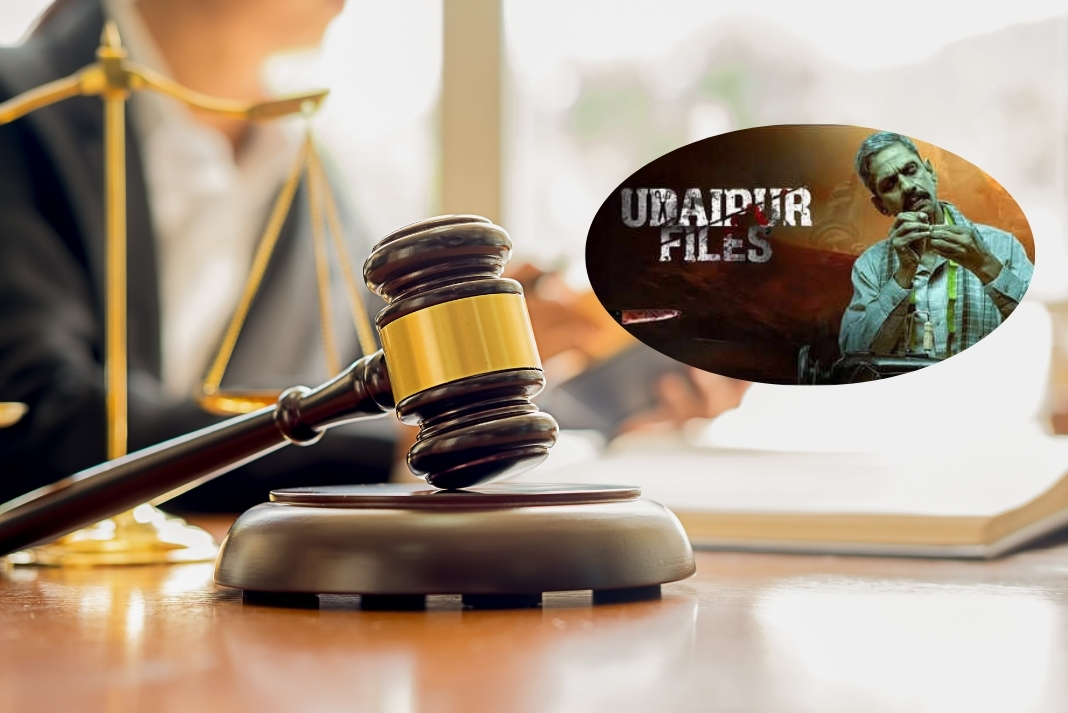
A film exposing a brutal murder faces court halt, igniting raw emotions on free speech and communal peace.
Films are a mirror of society, and people often express their views through cinema. Some films aim to unite and inspire; others sour the atmosphere with an agenda. Amit Jani’s film Udaipur Files is currently sparking much discussion.
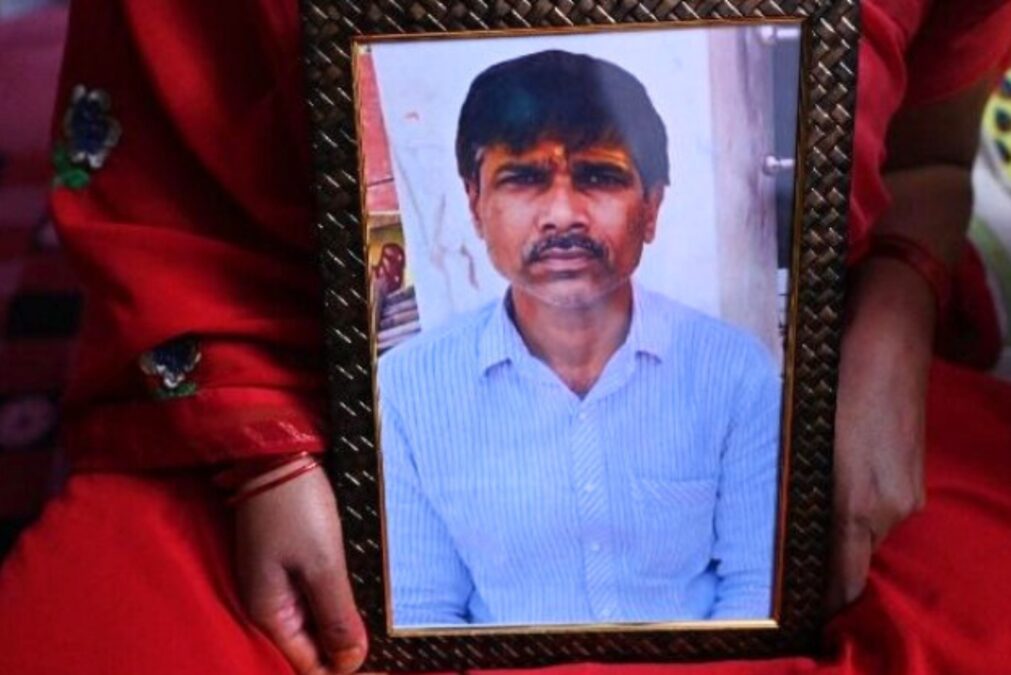
In 2022, Kanhaiya Lal was murdered in Udaipur. Concurrently, a Gyanvapi Mosque survey and controversy over a Shiva lingam heightened tensions. In a televised debate, BJP spokesperson Nupur Sharma made objectionable remarks about Islam, inflaming tensions. In response, extremists in Udaipur brutally killed Kanhaiya Lal.
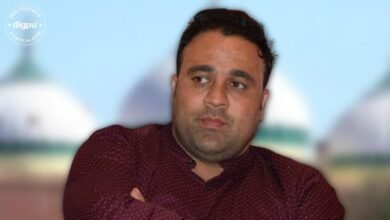
Amit Jani’s Udaipur Files dramatizes this episode. However, the Delhi High Court imposed an interim ban on its scheduled release—a significant development. Maulana Arshad Madani, head of Jamiat Ulama-e-Hind, petitioned the High Court, arguing the film could disrupt communal harmony. He noted that the trailer’s objectionable scenes could incite unrest. His plea argued that certain visuals inflame public emotions, warranting a stay.
The court ordered the petitioner to file objections with the Central Government within two days, directing New Delhi to decide on the film’s release. Under Section 6 of the Cinematograph Act, the government has one week to exercise its revisional powers. Until then, the ban remains. Although Udaipur Files was set to open on Friday, July 11, across roughly 3,500 screens, including three major cinemas in Udaipur, it awaits the Central Government’s ruling.
Notably, Mohammad Javed, an accused in the Kanhaiya Lal case, petitioned the Supreme Court to block the film; on July 9, the Court refused to stay its release. Yet the Delhi High Court’s interim order prevails.
Why the uproar? Udaipur Files depicts the June 28, 2022, murder of Kanhaiya Lal by Mohammad Riaz Attari and Ghaus Mohammad, who slit his throat. The NIA declared Karachi residents Salman and Abu Ibrahim fugitives and named Ghaus Mohammad, Riaz Attari, Mohsin Asif, Mohsin Wasim Ali, Farhad Mohammad, Mohammad Javed, Muslim Mohammad, and two others as primary accused under UAPA. The trailer includes Nupur Sharma’s controversial remarks and the Gyanvapi Mosque dispute, which critics say threatens communal amity.
The film features a Maulana character and references Darul Uloom Deoband and Jamiat Ulama-e-Hind, prompting Maulana Madani’s unease and court petition. Reactions vary: Kanhaiya Lal’s son condemned the ban, calling it a violation of free speech and urging the film’s release. BJP social media head Amit Malviya tweeted that the movie, based on a horrific real atrocity, should be shown, questioning why its portrayal of uncomfortable truths is suppressed. He noted Kapil Sibal represented Jamiat Ulama-e-Hind in court, asking what facts they fear.
Jamiat Ulama-e-Hind welcomed the court’s action, stating that despite removing some objectionable scenes after trailer criticism, the film still contains sequences that could poison societal harmony. Maulana Madani praised the interim stay as upholding constitutional and moral limits on artistic expression.
The Central Government must decide within a week whether to permit Udaipur Files’ screening. Allowing it may question the High Court’s caution; upholding the ban will draw criticism from free-speech advocates and right-wing supporters.
The debate over Udaipur Files will likely intensify in coming days, ironically granting filmmakers free publicity without marketing costs. Ultimately, audiences will decide its fate at the box office, determining whether this controversial portrayal resonates.