Himachal’s Apple Crisis 2026: Is a Century of Prosperity Coming Under Threat?
Himachal Pradesh faces one of its poorest apple harvests in recent years, with production expected to fall by more than 50%. Changing weather, ageing orchards and rising cultivation costs are threatening the livelihoods of mountain farmers.
Himachal Pradesh: For generations, apples have been the backbone of Himachal Pradesh’s hill economy. They have helped farmers build homes, educate their children and transform small mountain villages into prosperous communities.
But 2026 has brought an alarming reality. The state that built much of its agricultural success around apples is now struggling to produce them.
According to the Himachal Pradesh Horticulture Department, the state produced approximately 3.49 crore boxes of apples in 2025. This year’s production is estimated at just 1.60–1.70 crore boxes, representing a decline of more than 50%.
By early November, only 1.37 crore boxes had reached the markets.
The decline has raised serious concerns about an apple economy valued at approximately ₹5,000 crore, supporting more than 3.5 lakh growers across the state.
What’s happening to Himachal’s apple orchards?
The biggest concern is changing weather.
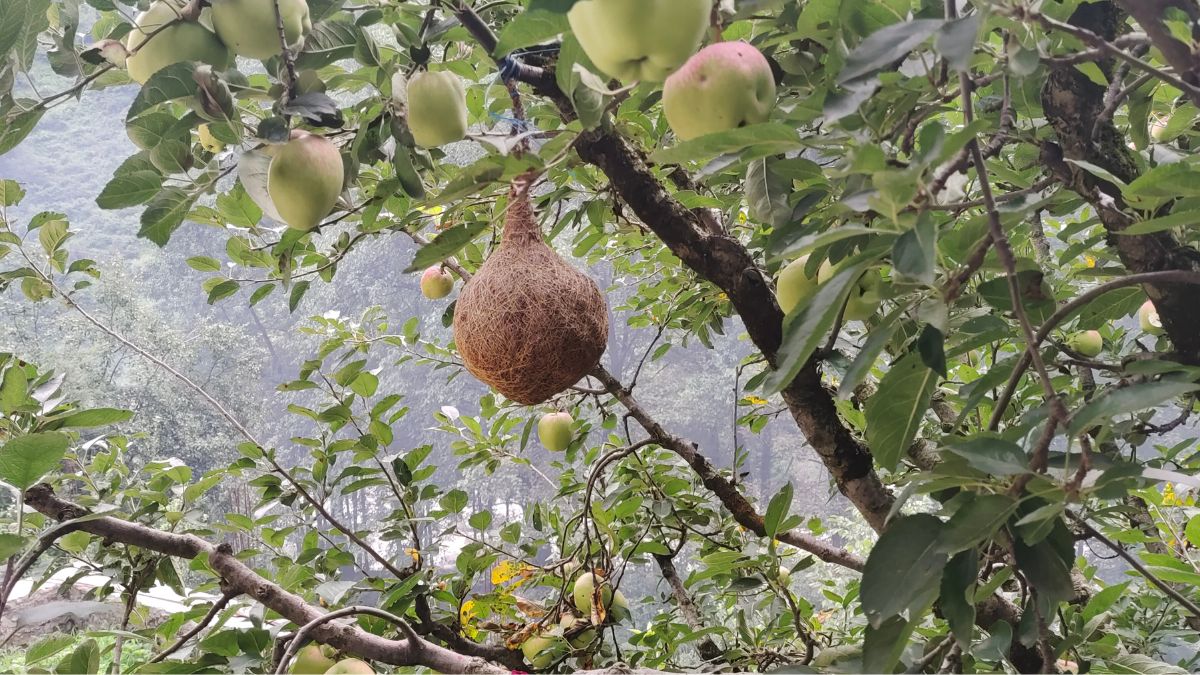
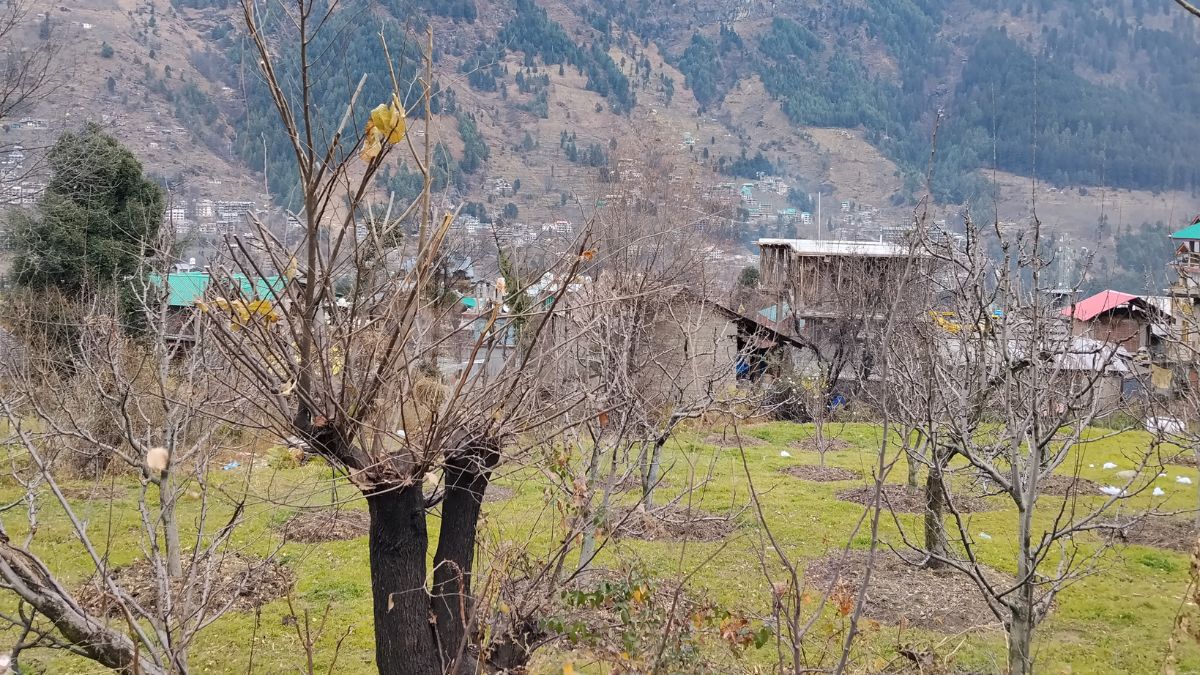
Apple trees require sufficient winter chilling to flower and produce healthy fruit. But warmer winters, inadequate snowfall, sudden temperature fluctuations and hailstorms have disrupted cultivation across the state’s traditional apple-growing areas.
The 2026 season was especially difficult. Unfavourable temperatures during flowering, insufficient chilling hours and repeated hailstorms damaged production.
In Kotgarh, one of Himachal’s oldest apple-growing regions, some farmers reported losing as much as 70–80% of their harvest compared with the previous year.
The problem is not limited to weather.
Many traditional orchards have become old and less productive. According to the Horticulture Department, Himachal’s average apple yield is only around five to six metric tonnes per hectare.
Although farmers are moving towards modern, high-density plantations, replacing old orchards requires substantial investment. Smaller growers often cannot afford to remove established trees and wait for new ones to become productive.
Higher apple prices, but lower farmer incomes?
A poor harvest usually reduces supply and can push market prices upward.
During the 2026 season, some growers received better prices than the previous year. However, higher prices do not necessarily mean higher earnings.
Consider a farmer who harvested 2,000 boxes last year but managed only 800 this season. Even with a price increase, the farmer could earn considerably less.
Meanwhile, expenses on labour, fertilisers, pesticides, packaging and transportation continue.
For families dependent on one annual harvest, losing half their crop can create serious financial difficulties.
Is Kashmir moving ahead of Himachal?
Himachal is also facing growing competition from Jammu and Kashmir, India’s largest apple-producing region.
Kashmir’s growers are increasingly adopting high-density plantations, modern rootstocks and improved apple varieties. These techniques can deliver earlier harvests and higher productivity under suitable growing conditions.
Himachal is also modernising, but the transition has been slower in many traditional growing areas.
Another challenge is geography.
As temperatures rise, some lower-altitude orchards are becoming less suitable for traditional apple varieties. Cultivation is increasingly expanding towards higher elevations, including parts of Kinnaur and Lahaul-Spiti.
But farmers cannot simply move their ancestral land uphill.
For families whose orchards have supported them for generations, changing location or replacing an entire plantation is neither easy nor affordable.
Can Himachal save its apple economy?
The state government has announced plans to distribute eight to ten lakh quality fruit plants to support orchard rejuvenation and improved production.
Modern farming techniques, better irrigation, crop protection, affordable financing and improved access to markets could help growers adapt.
However, the challenge goes beyond distributing saplings.
Farmers need a sustainable system that protects their earnings while helping them manage changing climatic conditions.
More than a century ago, American Samuel Evans Stokes helped introduce commercially successful Delicious apple varieties to the Shimla Hills. Generations of local farmers transformed that experiment into one of India’s important horticultural industries.
Today, that legacy faces a difficult test.
Himachal Pradesh may continue producing apples for decades to come, but the question is whether growing them will remain financially rewarding for the next generation.
The real crisis is not simply that Himachal is producing fewer apples. It is whether the farmers who built this economy can still afford to remain in it.