Why Blame Aamir Khan? A Look at the Real Story
While the internet is busy trolling Aamir Khan over a silence, the FBI is exposing mafia networks running freely from Indian prisons. Meanwhile, journalists are being jailed for doing their job. Media is feeding us a distraction. Patriots, wake up. Things are rarely what they seem.
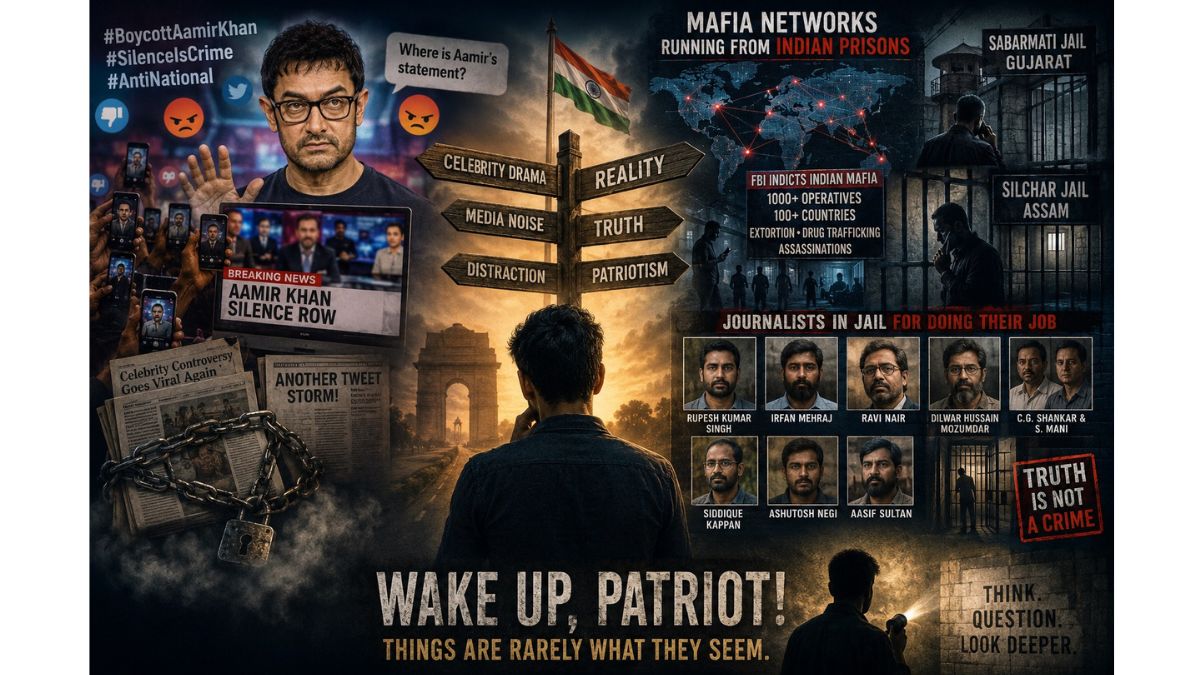
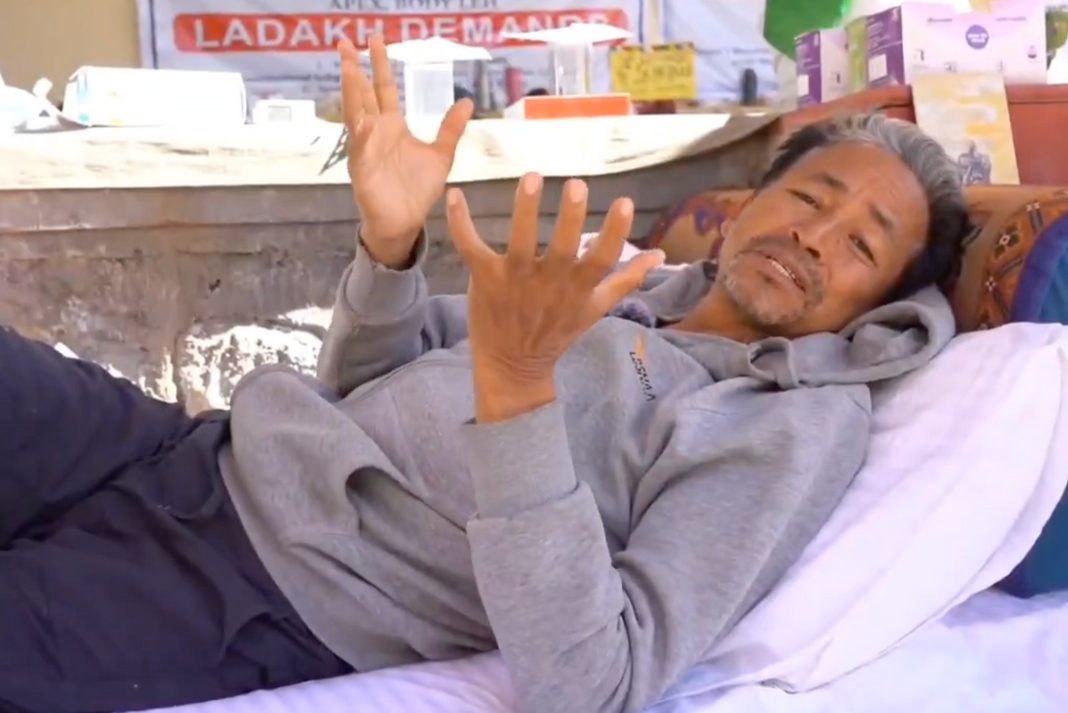
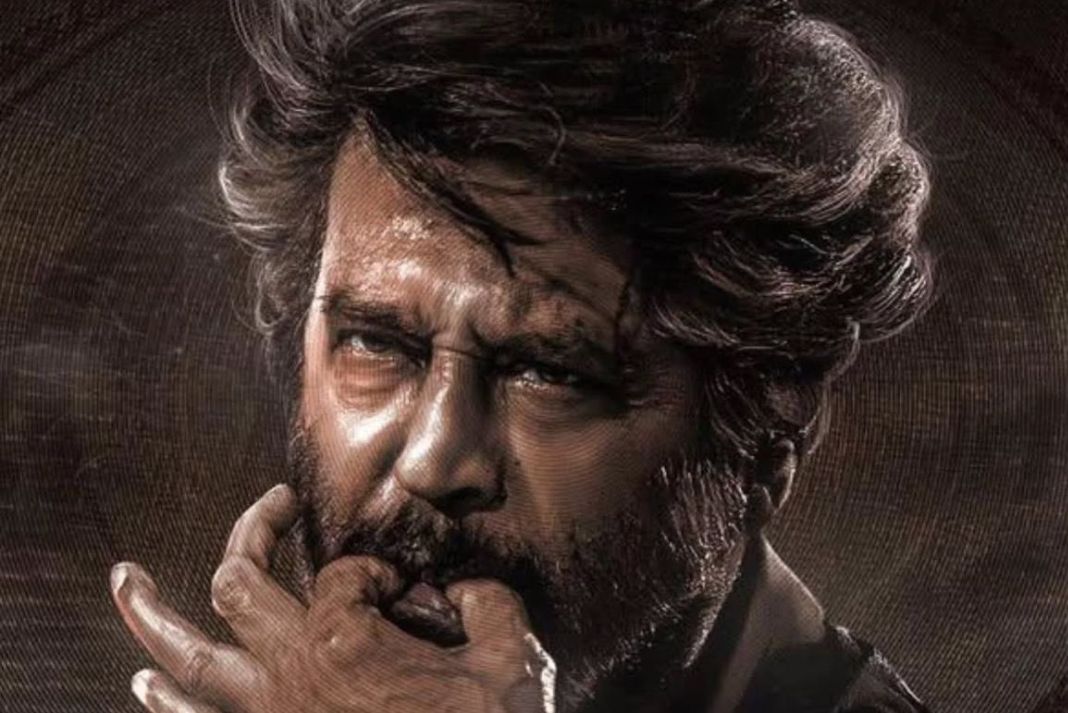
The outrage is predictable. Aamir Khan didn’t publicly recognize Sonam Wangchuk as the real-life inspiration for 3 Idiots, and social media exploded. But let’s pause and ask: is this really about Wangchuk, or is Aamir simply an easy target?
Remember 2015? Aamir was one of the first Bollywood giants to speak against growing intolerance in India. He was trolled relentlessly, branded anti-national, and publicly humiliated by his own peers. Today, he stays silent on many issues, and he is still trolled. Either way, the media and the mob win, and the real conversation never happens.
Here is what we are ignoring while we chase a celebrity’s silence:
1. The celebrity cases we forgot
- Saif Ali Khan was stabbed inside his own home in January 2025. Media called it a burglary gone wrong, but why did underworld whispers never fully surface in public?
- Shah Rukh Khan stood at a magistrate’s door to secure his son’s bail in a drugs case. The media highlighted his humiliation, yet the systemic rot inside our investigative agencies was quickly brushed under the carpet.
- DSP Devender Singh, a decorated Kashmir police officer, was arrested for allegedly aiding terrorists. The news cycle moved on within 24 hours. Where is the follow-up?
2. The real story we are missing
The recent FBI indictments against Indian mafia networks are chilling. Gangs like the Lawrence Bishnoi syndicate operate openly from Sabarmati jail in Gujarat. The Jaggu Bhagwanpuria gang runs its empire from Silchar jail in Assam. Over 1,000 operatives across 100+ countries are involved in extortion, drug trafficking, and political assassinations.
How does a crime syndicate run a multi-national operation from inside high-security Indian prisons? That question is too dangerous, too inconvenient, and too complex for prime-time debates. Instead, we get a celebrity’s three-second clip on repeat.
3. The journalists who are paying the price
While we fight over Aamir Khan’s tweet, real journalists are being locked up for simply doing their jobs. Here are just a few documented cases:
- Rupesh Kumar Singh, a freelance journalist from Jharkhand, has spent four years behind bars (since July 17, 2022) for exposing the devastating effects of industrial pollution on poor communities. He faces five pending cases under India’s anti-terror law, the Unlawful Activities (Prevention) Act (UAPA). His phone number also appeared on a leaked list of potential Pegasus spyware targets. He has been transferred to five different prisons, drastically limiting visits from his wife and eight-year-old son.
- Irfan Mehraj, a Kashmiri freelance journalist and editor-in-chief of Wande Magazine, has spent three years in pretrial detention (since March 20, 2023). He was arrested by the National Investigation Agency (NIA) under the UAPA on charges ranging from “sedition” to “financing terrorism”. He now faces possible life imprisonment. His bail hearings have been repeatedly delayed, with four different judges successively taking over the case.
- Ravi Nair, an independent investigative journalist, was sentenced to one year in prison in February 2026 for criminal defamation. The case was brought by Adani Enterprises Limitedover a series of 17 social media posts published between October 2020 and July 2021. The posts merely shared media articles, including four of his own investigations. The court did not examine the authenticity of the information in those articles.
- Dilwar Hussain Mozumdar, a journalist with the independent news website Cross Currents, was arrested in March 2025 for covering a protest over alleged financial misconduct at a bank run by the Assam state government. The bank’s managing director is Assam Chief Minister Himanta Biswa Sarma. Mozumdar was granted bail in one case but was immediately rearrested in connection with a second case.
- C.G. Shankar and S. Mani, journalists with Republic TV, were detained on March 7, 2026, for allegedly filming an Iranian naval vessel docked at a port in Kochi. The Committee to Protect Journalists (CPJ) has called on Indian authorities to drop all pending charges and stop using espionage laws to criminalize legitimate journalism.
- Siddique Kappan, a Kerala-based journalist, was arrested in October 2020 while traveling to cover the Hathras gang-rape case. He was booked under the UAPA and spent over two yearsin jail before being released on bail.
- Ashutosh Negi, a journalist from Uttarakhand, was arrested in March 2024 in connection with his reporting on a murder investigation.
- Aasif Sultan, a Kashmiri journalist, was arrested in August 2018 for writing an article on a slain militant commander. He spent over five years in jail under the UAPA and the Public Safety Act before being released in February 2024.
The bigger picture
These are not isolated incidents. According to the Committee to Protect Journalists (CPJ), India currently holds journalists in prison on a combination of security, anti-terror, and state-level criminal charges. Since 2014, at least 36 journalists have been imprisoned in India. Under the previous UPA government, that figure stood at just eight.
India’s ranking in the World Press Freedom Index compiled by Reporters Without Borders (RSF) has plummeted from 80th in 2002 to 151st in 2025 out of 180 countries. The country now sits firmly in the “very serious” category.
RSF has called for the immediate release of journalists detained for doing their job and for all abusive legal proceedings against them to be dropped.
The uncomfortable truth for patriots
Dear Indian media and fans, your attention is being weaponized. While you fight over Aamir Khan’s tweet or silence, real power structures and criminal networks are expanding unchecked. Journalists who expose uncomfortable truths are being locked up under anti-terror laws. The media feeds you stories designed to divide you, not inform you.
A patriot asks hard questions. A patriot looks beyond the surface.
So before you hit “post” on that angry comment against Aamir Khan, ask yourself: who benefits from your anger? What are you being distracted from? The surface is always curated. The full picture is often hidden behind prison walls, political corridors, and sensational headlines.
Think. Question. Look deeper. Because things are never what they seem.