Basement Waterproofing Strategies That Stop Foundation Damage After a Burst Pipe in Columbus
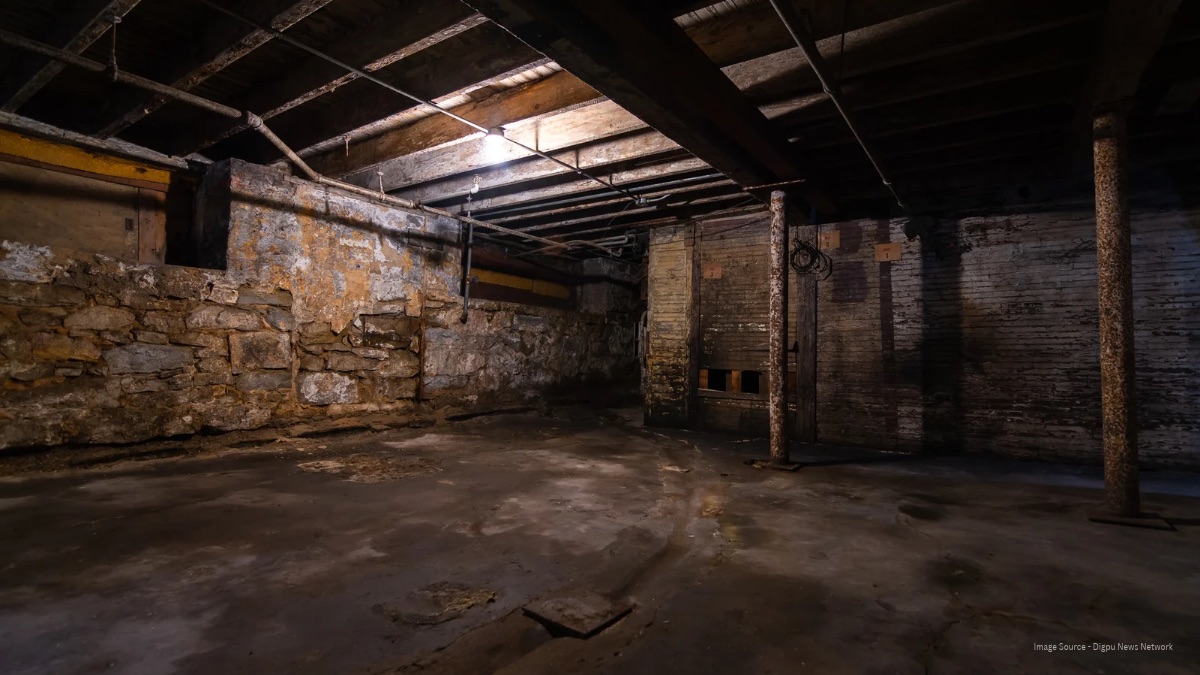
Standing water in your basement after a sudden pipe break can quickly move from a minor inconvenience to a serious risk for your home’s foundation. In Columbus, where seasonal freeze-thaw cycles already put pressure on concrete and masonry, the aftermath of a burst pipe is especially threatening. Water seeps through cracks and saturates the soil around your foundation, increasing the chance of structural shifting, mold growth, and persistent moisture problems. Addressing the immediate and long-term consequences with the right waterproofing strategies makes the difference between a costly foundation repair and a successfully restored, dry basement.
Homeowners facing this crisis need to act quickly and make informed choices about moisture removal and waterproofing. The right approach blends emergency response with proven solutions that suit Columbus’s climate and building styles. From urgent water extraction to modern barriers and expert inspections, each step plays a specific role in stopping foundation damage before it starts—and in preventing future issues linked to basement water damage restoration Columbus services.
Immediate Action Steps Following Pipe Bursts in Columbus Basements
The first hours after discovering a burst pipe can determine the extent of foundation damage. Shutting off the main water supply should come before any other action, followed by turning off electricity in the affected area to prevent shock hazards. Removing standing water with a wet/dry vacuum or pump is the next crucial move. This immediate response stops water from seeping deeper into the concrete and soil, which can undermine the foundation’s stability.
Proper documentation is also vital at this stage. Take clear photos of affected walls, floors, and any visible cracks. These records are important for both insurance claims and for guiding basement water damage restoration Columbus professionals when they assess the scope of the damage. If water continues to flow or you’re unsure of the pipe’s location, referencing the steps outlined for a Burst Pipe in Columbus can help frame your immediate response and inform the next steps handled by restoration crews.
Quick action not only reduces repair costs but also protects against long-term issues like mold and weakened foundations. Temporary barriers, such as strategically placed sandbags or waterproof sheeting, can provide short-term protection while you coordinate more permanent repairs.
Essential Moisture Extraction Techniques for Foundation Protection
Removing moisture from concrete and masonry is a critical step in preventing lingering foundation damage after a basement flood. High-capacity dehumidifiers are commonly used to draw out water that has soaked into walls and floors. These machines should run continuously for several days, targeting humidity levels below 50% to discourage mold and mildew growth.
Infrared cameras or moisture meters, available through most basement water damage restoration Columbus services, help pinpoint hidden moisture behind drywall or under flooring. This allows professionals to target trouble spots and avoid missing pockets of water that could slowly erode your foundation over time. Fans and air movers also play a role, circulating air to accelerate evaporation and create an environment where moisture cannot linger.
After the initial drying phase, it’s important to check for signs of water migration into foundation cracks or seams. Addressing these with specialized sealants or injection foams, as shown in guides on concrete foundation waterproofing methods, ensures that the structure is ready for more advanced protective measures.
Advanced Waterproofing Barriers for Structural Integrity in Ohio Homes
Once the basement is dry, applying advanced waterproofing barriers is the next step in safeguarding the foundation. In Columbus, exterior waterproofing membranes are particularly effective. These thick, rubberized coatings are applied directly to the outside of foundation walls, blocking water intrusion from saturated soil after a pipe break. Interior sealants, such as epoxy-based paints, also add a layer of defense inside the basement.
For homes that frequently experience heavy rain or rapid snowmelt, installing an interior drainage system—such as a perimeter French drain—helps collect and redirect any water that seeps in. Sump pumps are often combined with these systems to actively move water away from the foundation, reducing hydrostatic pressure and the risk of cracks forming or widening.
Properly installed barriers and drainage solutions work together to keep basements dry long after the initial burst pipe emergency has passed. Selecting the right combination depends on factors like soil composition, house age, and the severity of previous water events.
Professional Inspection and Long Term Prevention Strategies for Basements
After immediate cleanup and waterproofing, a professional inspection is critical to identify any hidden threats to your home’s foundation. Licensed inspectors use specialized tools to check for subtle shifts, hairline cracks, and lingering moisture that could signal deeper problems. Their assessment helps prioritize any structural repairs needed to maintain foundation strength.
Long-term prevention strategies often include regular gutter maintenance and landscaping adjustments to keep water away from the home’s perimeter. Installing window well covers and extending downspouts are simple, effective tactics that reduce the risk of future water entry. Professionals may also recommend routine basement humidity monitoring to catch moisture issues before they escalate.
These preventive steps, when combined with robust waterproofing solutions, create a comprehensive defense against basement water damage restoration Columbus projects. Homeowners who invest in both immediate and ongoing protection dramatically lower their risk of repeat foundation issues.
Conclusion
Choosing to act quickly and layering both emergency and long-term waterproofing steps is the most effective way to protect your basement and foundation after a Burst Pipe in Columbus. Start by stopping water at the source, thoroughly extracting moisture, and consulting a qualified inspector to create a personalized prevention plan that addresses your home’s unique risks.
Disclaimer: This is third-party content, and no Digpu News journalist or writer was involved in its creation.